Every scientific discipline begins as a conversation between ideas that once seemed unrelated. Over time, separate paths gradually intersect, revealing connections that reshape the way researchers understand the natural world. Such a story lies at the heart of astroparticle physics, a field whose development reflects decades of collaboration across astronomy, particle physics, and cosmology. A recent study revisits that journey, examining how astroparticle physics gradually emerged as a distinct scientific discipline.
The study traces the evolution of the field from the mid-twentieth century, when advances in particle physics coincided with growing interest in understanding the universe beyond visible light. Researchers increasingly recognized that particles arriving from space—such as cosmic rays, neutrinos, and other high-energy messengers—could provide valuable insights into astrophysical phenomena that conventional telescopes could not fully observe.
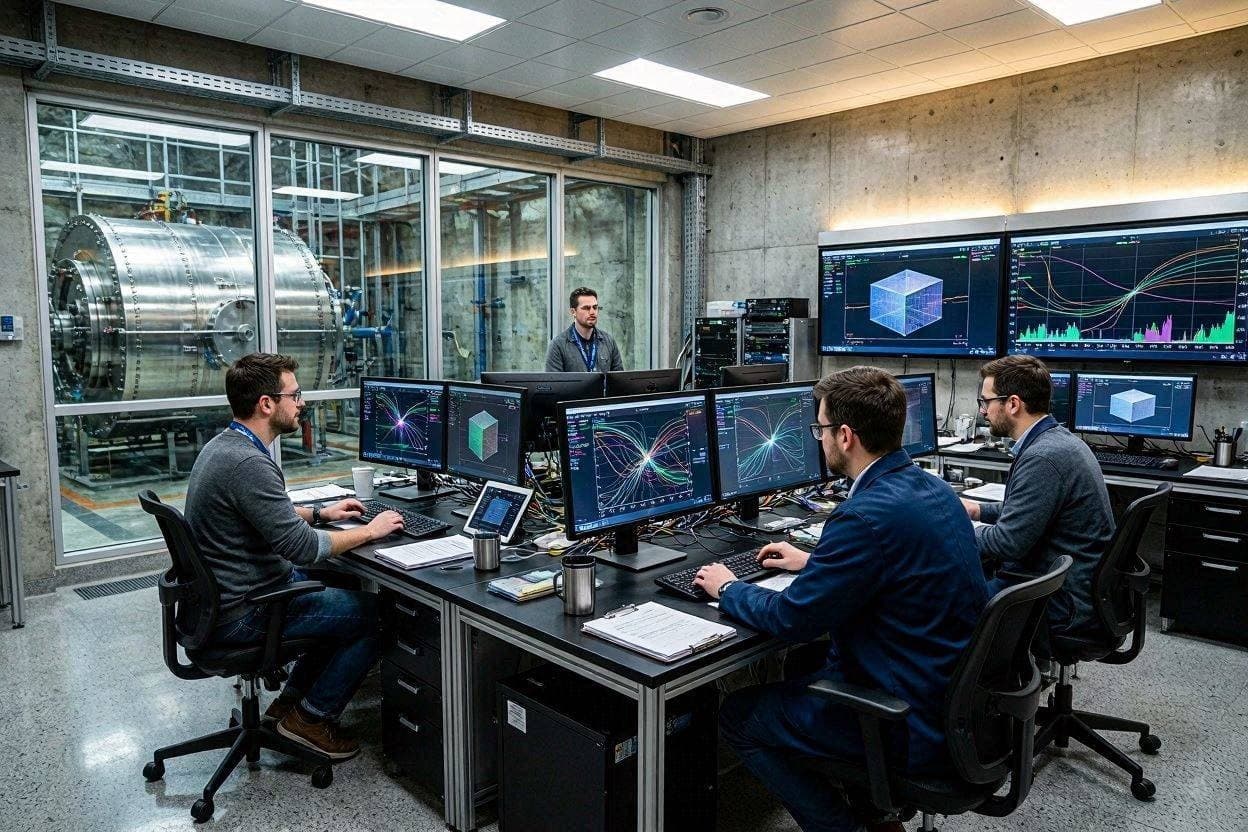
Rather than developing within a single laboratory or institution, astroparticle physics grew through international cooperation. Scientists from different backgrounds combined expertise in detector technology, theoretical physics, and astronomical observation. Large research facilities were established to investigate fundamental questions about the universe, encouraging collaboration across national borders and scientific disciplines.
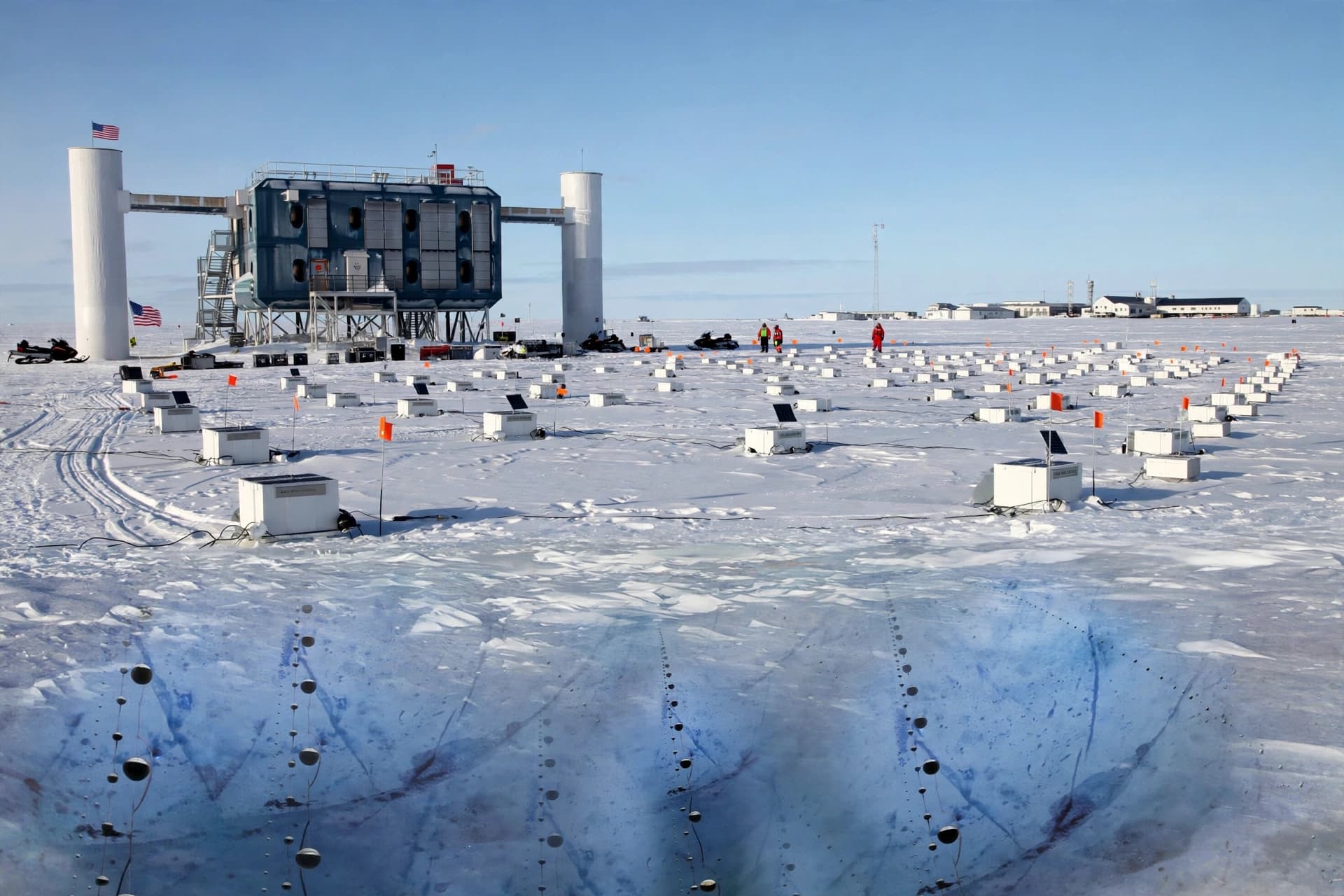
The historical review also highlights how technological innovation played a central role in shaping the field. More sensitive detectors, underground laboratories, and space-based observatories enabled researchers to observe particles with unprecedented precision. These advances expanded scientific understanding of phenomena including supernovae, black holes, neutron stars, and the behavior of matter under extreme conditions.
According to the study, the emergence of astroparticle physics was not defined by a single discovery but by the gradual integration of multiple branches of science. As research questions became increasingly interconnected, universities, funding agencies, and international organizations began recognizing astroparticle physics as an independent area of study with its own academic programs, conferences, and research networks.
Today, astroparticle physics continues to investigate some of the most fundamental mysteries in modern science, including the nature of dark matter, the properties of neutrinos, and the origins of the universe's highest-energy cosmic particles. Researchers emphasize that progress depends on combining observational data, theoretical models, and experimental measurements collected through collaborative international projects.
The study also reflects on the broader importance of interdisciplinary research. It suggests that scientific breakthroughs often emerge when traditional boundaries between disciplines become more flexible, allowing researchers to approach longstanding questions from multiple perspectives. This collaborative model has become increasingly relevant as scientific challenges grow more complex.
As historians and scientists continue examining the origins of astroparticle physics, the field stands as an example of how knowledge evolves through sustained cooperation, technological innovation, and intellectual curiosity. The study offers historical context while highlighting the continuing value of interdisciplinary collaboration in expanding humanity's understanding of the universe.
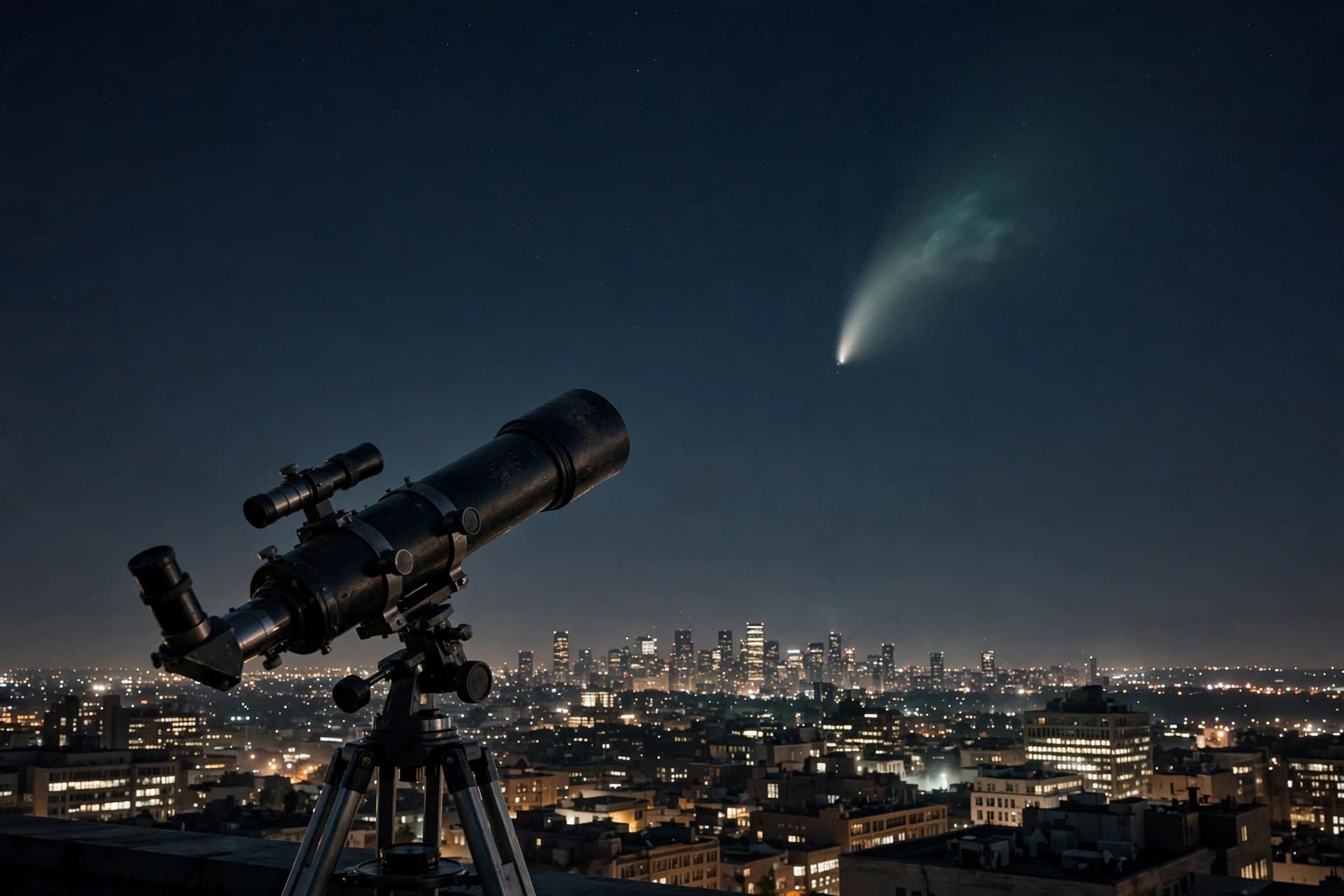
AI Image Disclaimer: The accompanying illustrations were generated using artificial intelligence to visually represent the scientific concepts discussed and are not historical photographs.
Sources (verified): Nature Physics, CERN, European Physical Journal H, American Physical Society (APS), Physics World
Published by Banx Network. This article is part of the Banx decentralized media programme, powered by the BXE token on the XRP Ledger.