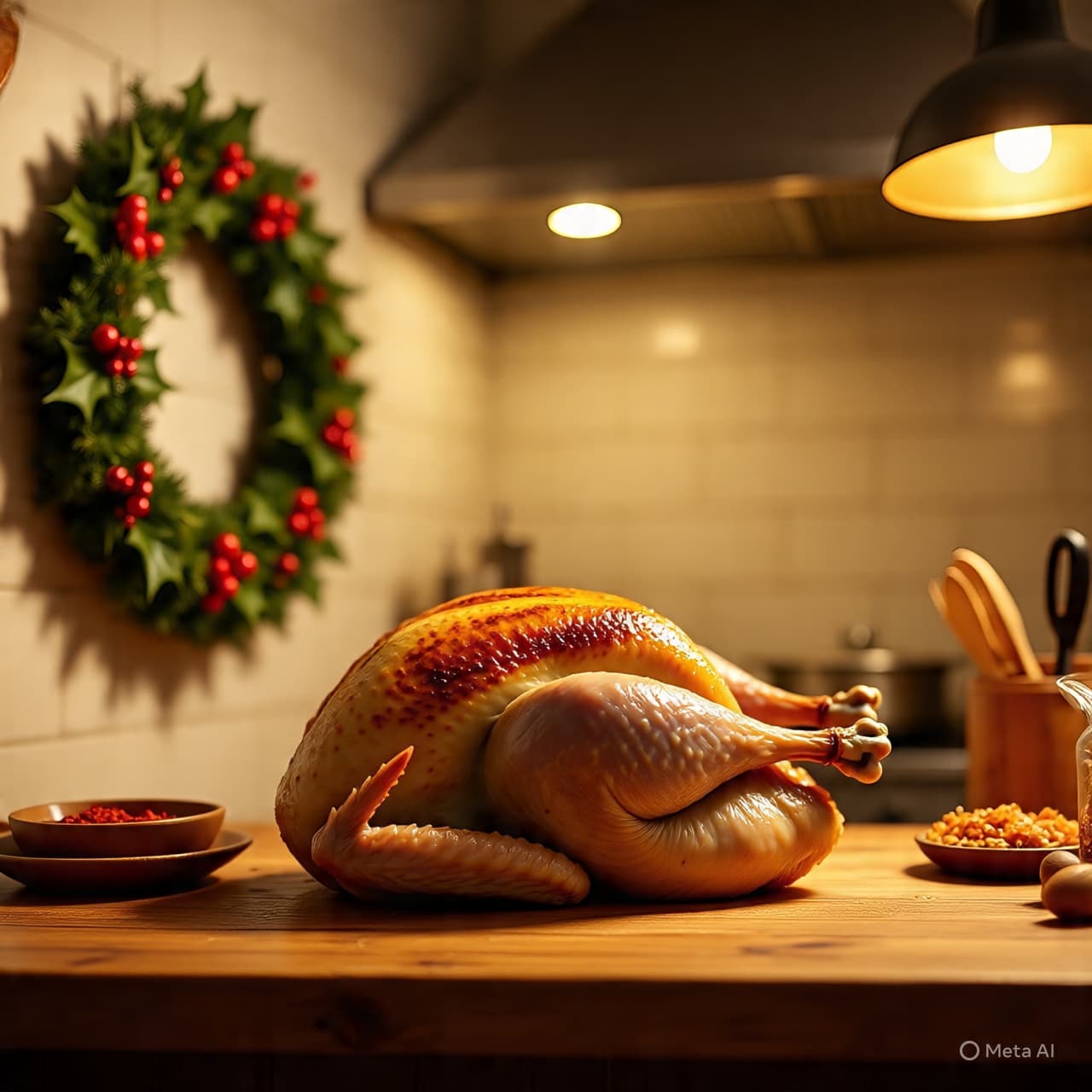
Every November, Americans revisit a familiar ritual: the slow thaw of a turkey, the choreography of side dishes, the soft comfort of traditions repeated year after year. Yet even this annual routine can feel the pull of larger forces. This season, the Thanksgiving bird is becoming a quiet symbol of something far bigger — the cost of global trade tension.
Turkey prices do not rise in a vacuum. Feed, labor, transport, and seasonal demand always play their part. But this year, tariffs have stepped into the center of the equation, reshaping the economic landscape before the bird ever reaches the supermarket freezer. Trade levies have pushed up prices for key agricultural imports, altering feed costs for producers and raising pressures across poultry operations that run on tight margins.
These shifts don’t unfold with sudden drama. They seep through the system slowly, influencing contracts, shipping routes, supply chains, and ultimately the number sitting in the grocery aisle. When tariffs move, entire ecosystems adjust — but consumers often feel only the final step: a higher price tag on something that once felt immune to geopolitics.
For many families, the impact is subtle but real. A turkey that costs a few dollars more doesn’t break holiday traditions, but it underscores an uncomfortable truth: the household budget is downstream from decisions made far from the dinner table. Trade policy, once a distant subject reserved for economists and diplomats, now expresses itself in something as ordinary as a holiday meal.
Producers, too, navigate the ripple effects. They face the pressure of balancing rising input costs against consumer sensitivity, all while maintaining the continuity that festive seasons demand. The poultry industry is resilient, but it is not insulated. Changes in tariff structures have a way of squeezing even the most established producers, nudging prices upward whether or not demand grows.
This moment isn’t about alarm; it’s about perspective. The Thanksgiving turkey has become a quiet indicator of how interconnected the global economy has become. Supply chains link continents, trade rules shape the cost of grain, and the shifting currents of policy echo all the way to the frozen-food aisle.
The holiday itself will endure — rituals rarely bend to price. But this year’s turkey carries a reminder tucked beneath its packaging: the world’s economic choices eventually make their way home, sometimes in the smallest, most familiar places.
Published by Banx Network. This article is part of the Banx decentralized media programme, powered by the BXE token on the XRP Ledger.

.jpg&w=3840&q=75 "New Southern California Wildfire Explodes in Size, Burning Multiple Homes")