For years, the Australian property market has been a beacon of growth, driving wealth creation and shaping the national economy. Homes were not just places to live but investments that seemed to climb ever upward. Now, however, the tide appears to be turning. For the first time in three years, property prices have fallen, signaling a shift in market dynamics. This downturn invites a moment of reflection on the cycles of economics, the affordability of housing, and the changing aspirations of homebuyers. It is a transition that affects millions, reshaping the landscape of Australian life.
Body: The decline in prices is attributed to a combination of factors, including rising interest rates, inflationary pressures, and tighter lending criteria. The Reserve Bank of Australia’s efforts to curb inflation have led to higher mortgage costs, reducing borrowing capacity for many households. As monthly repayments become more burdensome, demand has softened, leading to a correction in values. This adjustment is seen by economists as a natural cooling after a period of unprecedented growth.
Major cities like Sydney and Melbourne have experienced the most noticeable drops, though regional areas are also feeling the impact. For sellers, this means adjusting expectations and potentially accepting lower offers than anticipated. For buyers, particularly first-home seekers, the downturn offers a glimmer of hope. Lower prices may improve affordability, allowing more Australians to enter the market who were previously priced out.
The psychological impact of falling prices is significant. Homeowners who viewed their properties as primary wealth stores may feel anxiety about their financial security. Conversely, renters may feel a sense of relief or opportunity. This shift in sentiment influences consumer spending and confidence, which in turn affects the broader economy. The property market is deeply intertwined with household wealth, so its performance ripples through various sectors.
Real estate agents report a change in pace, with fewer auctions and longer listing times. The frenzy of bidding wars has subsided, replaced by more cautious negotiation. This normalization allows for more deliberate decision-making, reducing the stress associated with rapid market movements. It encourages buyers to conduct thorough inspections and sellers to price realistically.
Government policies are also under scrutiny. Calls for increased housing supply, affordable housing initiatives, and tax reforms have intensified. Policymakers face the challenge of balancing market stability with social equity. Ensuring that housing remains accessible while maintaining economic growth is a complex task that requires nuanced strategies.
Investors are reassessing their portfolios, with some shifting focus to other asset classes. The yield from rental properties may become more attractive compared to capital growth expectations. This diversification reflects a maturing market where investors seek stability and consistent returns rather than speculative gains.
Looking ahead, experts predict a period of stabilization rather than a crash. The fundamental demand for housing remains strong due to population growth and migration. However, the era of easy money and rapid appreciation may be paused. Adjusting to this new reality requires flexibility and informed planning.
Closing: The downturn in Australia’s property market is a significant economic event with wide-ranging implications. It offers both challenges and opportunities, reshaping how Australians view homeownership. As the market finds its new equilibrium, the focus shifts to sustainability, affordability, and long-term value.
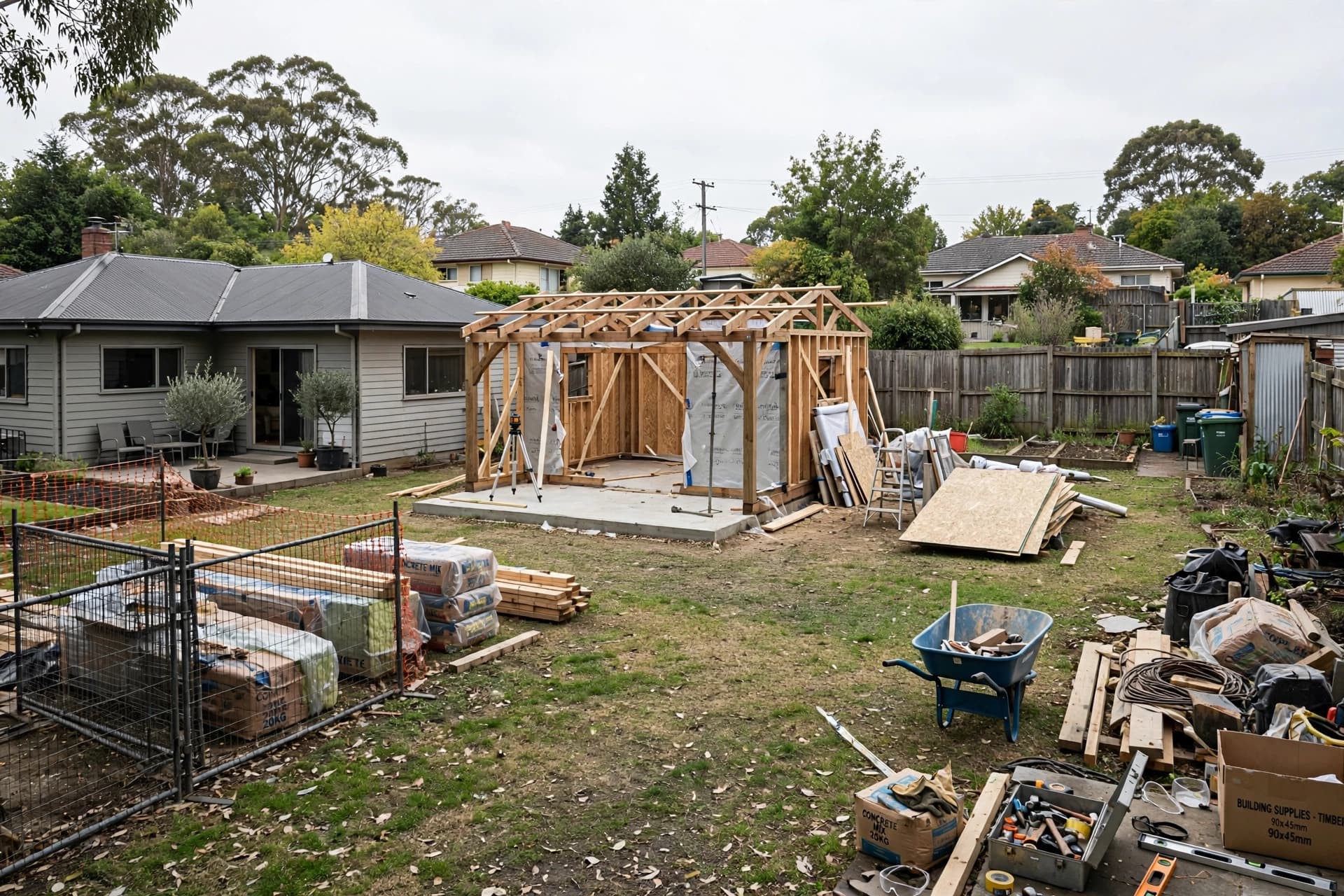
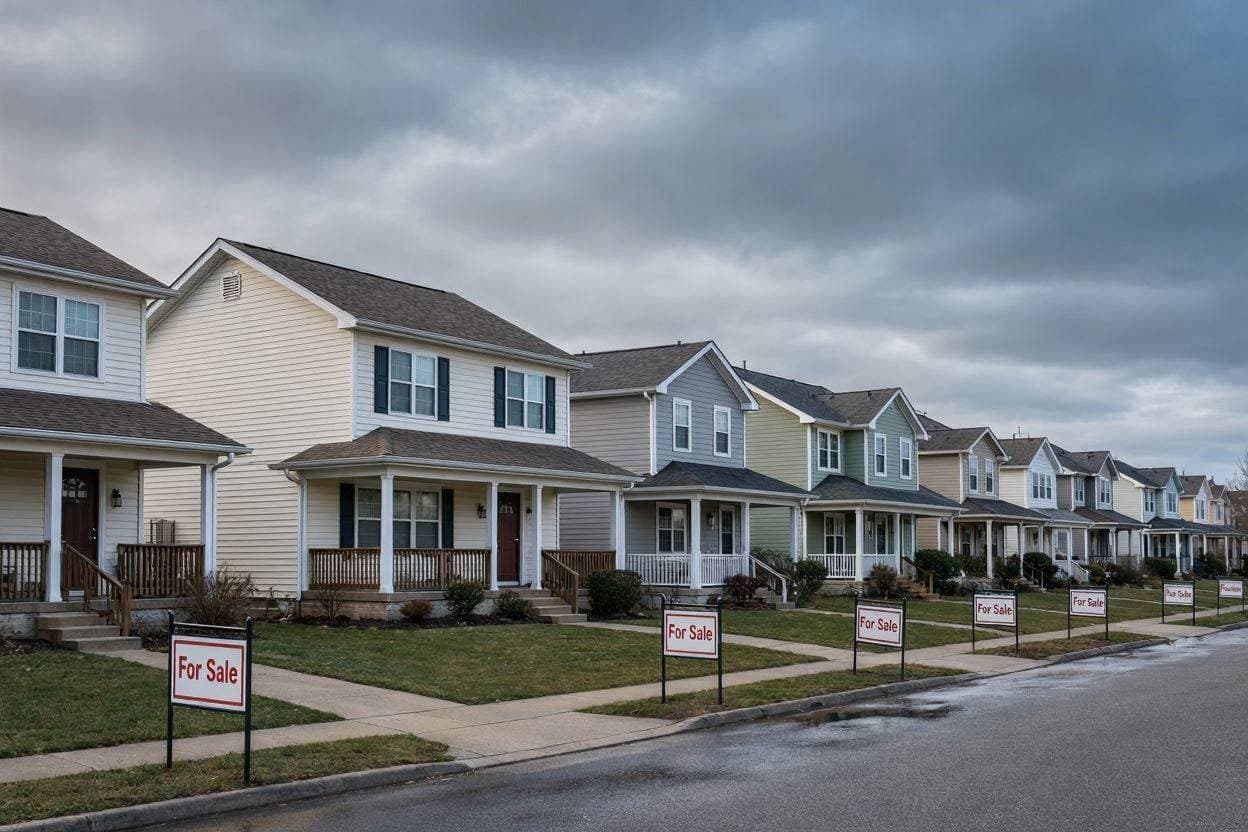
AI Image Disclaimer: Images included here are AI-generated conceptual illustrations of residential neighborhoods and financial charts, designed to visualize the themes of housing markets and economic trends.
Sources: Domain Group CoreLogic Reserve Bank of Australia (RBA) ABC News
Published by Banx Network. This article is part of the Banx decentralized media programme, powered by the BXE token on the XRP Ledger.