In the quiet corners of a laboratory at the College of William & Mary, a small, unassuming creature has been living a life of remarkable longevity. Known affectionately as Baseodiscus the Eldest, this ribbon worm has spent decades in a modest tank, quietly consuming peanut worms and resting in the mud. While his existence may seem mundane, recent genetic analysis has confirmed that he is not just a long-lived individual but a record-holder for his species, with an estimated age of thirty years. His story is a gentle reminder of the hidden wonders that persist in the most ordinary of settings, waiting to be recognized.
Ribbon worms, or nemerteans, are typically known for their short lifespans and elusive nature in the wild. To find one that has thrived in captivity for three decades is an anomaly that challenges our understanding of their biology. Baseodiscus the Eldest has become a silent celebrity among marine biologists, offering a rare opportunity to study the aging process and physiological resilience of these ancient invertebrates. His presence in the lab is a testament to the value of patience and careful observation in scientific discovery.
The worm’s journey began over twenty years ago when he was collected from the local waters near Virginia. Initially, his species was uncertain, as many ribbon worms look similar to the naked eye. For years, he lived in his tank, a steady and consistent presence amidst the changing rotations of students and researchers. It was not until 2024 that advanced genetic sequencing techniques were applied to his tissue samples, confirming his identity as Baseodiscus delineatus. This identification was crucial, as it allowed scientists to compare his lifespan with known data for his species.
The confirmation of his age, estimated at around thirty years based on tank records, sets a new benchmark for ribbon worm longevity. Most species in this group live only a few years, making Baseodiscus’s survival exceptional. Researchers are now investigating the factors that may have contributed to his extended life, including diet, water quality, and lack of predators. Understanding these conditions could provide insights into the metabolic and cellular mechanisms that support long-term health in invertebrates.
Beyond the biological significance, Baseodiscus’s story highlights the importance of maintaining long-term laboratory cultures. In an era of rapid technological advancement, the value of sustained, low-tech observation can sometimes be overlooked. Yet, it is often these continuous records that yield the most surprising discoveries. The worm’s tank has served as a living archive, preserving a lineage of knowledge that spans generations of scientists.
The genetic analysis also sheds light on the diversity of ribbon worms in the region. By confirming Baseodiscus’s species, researchers can better map the distribution and genetic variation of local populations. This information is vital for conservation efforts and for understanding the ecological roles these creatures play in marine sediment communities. Even small, muddy inhabitants contribute to the health and balance of coastal ecosystems.
For the students and staff who have cared for Baseodiscus over the years, he has become a symbol of continuity. In the fast-paced academic environment, his steady presence offers a moment of calm and reflection. He reminds them that science is not always about breakthrough moments but also about the quiet accumulation of knowledge over time. His care has been a shared responsibility, fostering a sense of community and stewardship among those who work in the lab.
As research continues, Baseodiscus the Eldest remains a subject of fascination. Scientists hope to learn more about his cellular repair mechanisms and stress resistance, which may have broader implications for aging research in other organisms. While he may never leave his tank, his influence extends far beyond the glass walls, inspiring curiosity and respect for the natural world.
Baseodiscus the Eldest stands as a testament to the surprises hidden in plain sight. His thirty-year journey in a William & Mary lab tank reminds us that longevity and resilience can be found in the smallest of creatures. As we continue to study him, let us appreciate the quiet dignity of his existence and the lessons he offers about life, time, and the enduring power of observation.
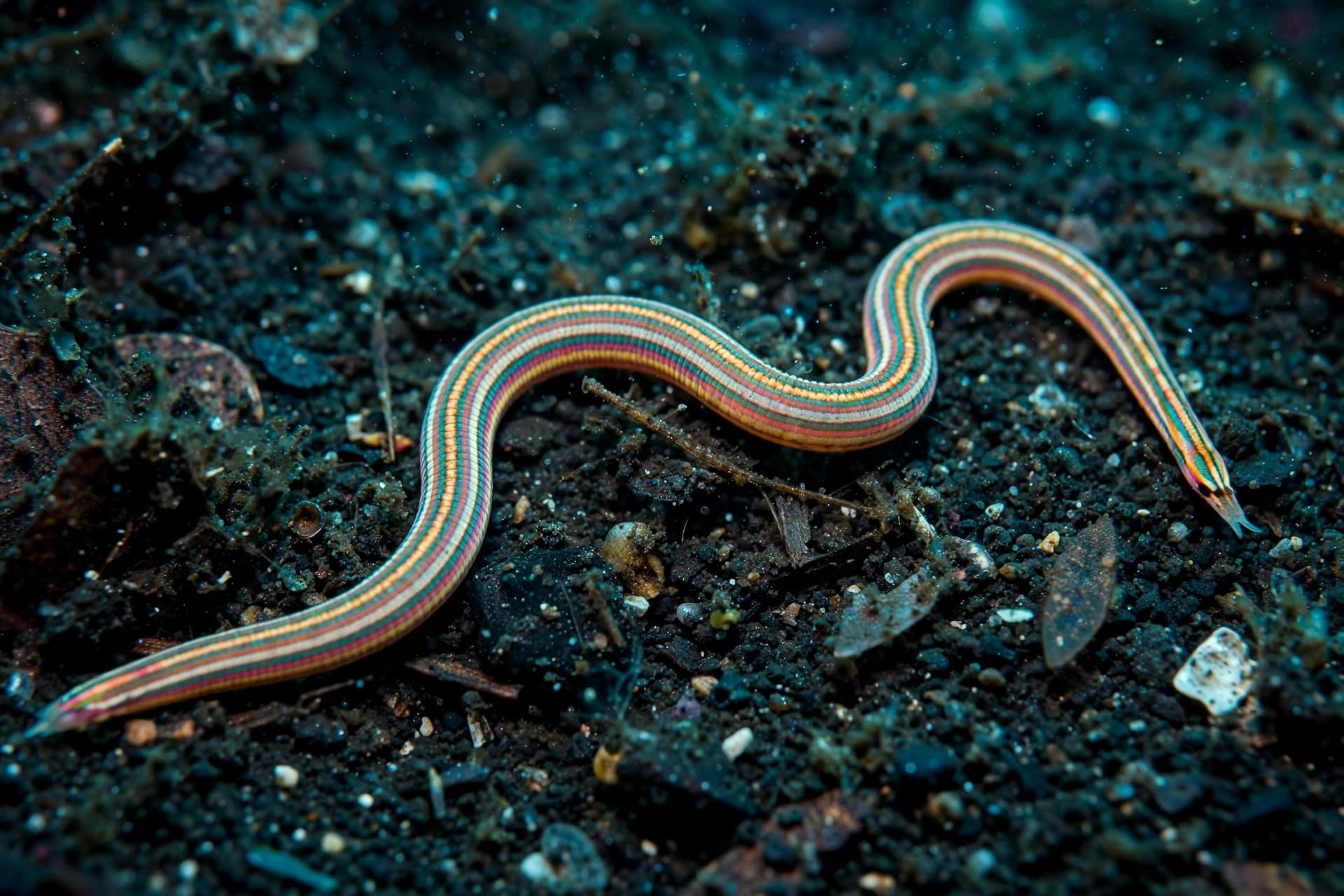
AI Image Disclaimer: The images accompanying this article are AI-generated illustrations designed to depict the general appearance of ribbon worms and laboratory settings without showing the specific individual.
Sources: College of William & Mary ScienceDaily National Geographic Marine Biology Journal
Published by Banx Network. This article is part of the Banx decentralized media programme, powered by the BXE token on the XRP Ledger.