Rain lingered over Westminster like a thin gray veil, softening the edges of stone and river alike. The Thames moved at its patient pace, indifferent to the cadence of speeches rising behind Parliament’s walls. In the corridors where history hangs in portraits and echoes in footsteps, another chapter unfolded — not with the thunder of artillery, but with the measured tones of political resolve.
Prime Minister Keir Starmer stood before lawmakers this week as questions gathered like storm clouds above the chamber. Across the Atlantic, former President Donald Trump had publicly criticized Britain’s posture amid the intensifying confrontation with Iran, suggesting that London’s caution signaled hesitation at a moment demanding force. Yet Starmer’s response carried a different rhythm. The United Kingdom, he said, would act in accordance with its own assessment of security, its obligations to allies, and its longstanding preference for coordinated diplomacy.
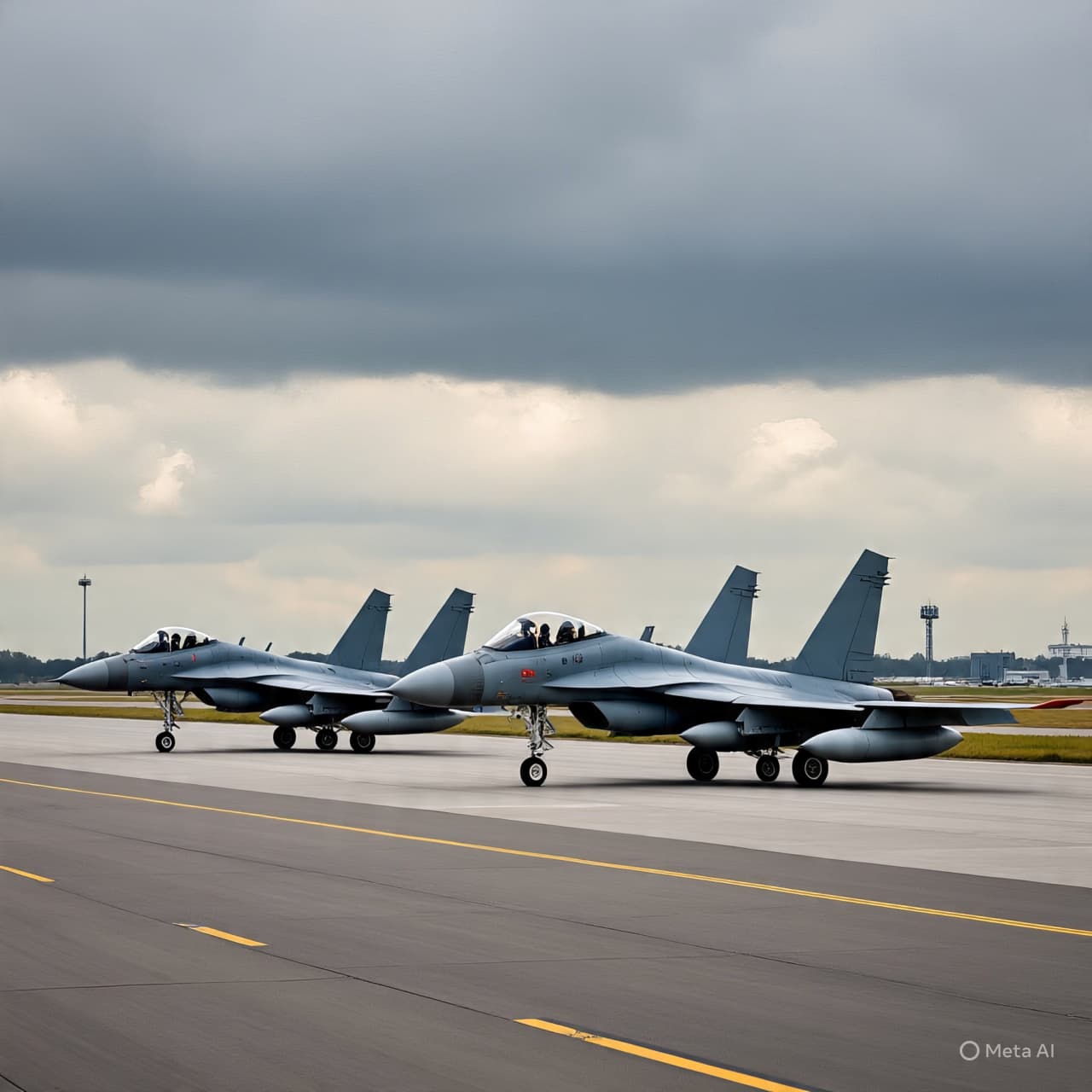
The friction comes as the Middle East endures a volatile stretch of escalation. Following targeted strikes by the United States and Israel on Iranian military infrastructure — and subsequent retaliatory actions — global capitals have found themselves recalibrating. Britain has deployed additional Royal Air Force assets to the region to protect its personnel and interests, while emphasizing that its mission remains defensive. British officials have reiterated support for de-escalation even as they stand alongside NATO allies in safeguarding maritime routes and regional bases.
In the House of Commons, the debate felt less like a clash and more like a careful weighing of burdens. Starmer acknowledged the severity of the moment but resisted framing Britain’s response in the stark terms used elsewhere. National security, he suggested, is not strengthened by rhetoric alone. It is built in layers: intelligence cooperation, alliance solidarity, and the quiet assurance that military deployments serve a defined purpose.
Trump’s criticism — voiced in interviews and online statements — reflected a broader transatlantic conversation about how firmly Western allies should respond to Iran’s actions. Some American voices have urged overwhelming deterrence; others caution that widening strikes risk drawing additional actors into the conflict. Britain, for its part, has sought to walk a narrow line: affirming Israel’s right to self-defense, protecting British assets in the Gulf, and urging restraint that might prevent a broader regional war.
Outside Parliament, the city carried on. Black cabs streamed over Westminster Bridge. Tourists paused for photographs beneath the clocktower’s patient face. Yet beneath the everyday motion lay a deeper awareness that Britain’s decisions ripple far beyond its rainy shores. Energy markets watch closely. Shipping lanes through the Strait of Hormuz — vital to global trade — remain a focal point of anxiety. Each diplomatic statement is parsed for hints of alignment or divergence.
Starmer’s defense of his government’s course was not fiery, nor was it dismissive. It rested instead on a steady refrain: that Britain will not be hurried into choices that stretch beyond its strategic judgment. In reaffirming cooperation with Washington while declining to echo its sharper language, he signaled continuity with a tradition of measured engagement — one that prizes alliance, yet guards autonomy.
As twilight settled over the Thames, the lamps along the embankment flickered to life, casting long reflections across dark water. Political disagreements, even among allies, are hardly new. They drift in and out like tides, shaped by circumstance and personality. What remains constant is the delicate choreography between sovereignty and solidarity — a balance Britain now seeks to maintain as tensions with Iran ripple outward.
In the days ahead, further consultations between London and Washington are expected, alongside ongoing security briefings and diplomatic outreach. For now, Britain’s stance stands clear: supportive of collective security, wary of escalation, and firm in the belief that measured steps may carry more weight than raised voices.
AI Image Disclaimer Illustrations were created using AI tools and are not real photographs.
Sources
Reuters BBC News The Guardian Associated Press Financial Times
Published by Banx Network. This article is part of the Banx decentralized media programme, powered by the BXE token on the XRP Ledger.