In the deep ocean, it snows without ceasing—not the crystalline flakes of a winter sky, but something softer and stranger: clumps of mucus, dead plankton, fecal pellets, and silt that drift downward through the water column like dust bunnies in a forgotten corner . This "marine snow" carries carbon from the sunlit surface into the deep, where it can be stored for centuries or millennia. Scientists estimate that more than ten gigatons of carbon leave the surface each year aboard these sinking particles, yet only about two gigatons reach depths where they are effectively sequestered . The question of what limits this essential transfer has puzzled oceanographers for decades.
A new study from Scripps Institution of Oceanography and the University of Lincoln has found part of the answer, and it lies in the physical texture of the snow itself. The viscosity—the gooeyness—of marine snow particles determines how quickly bacteria break them down and how far they sink. High-viscosity particles can transport more than six times the carbon to the deep ocean compared to their less viscous counterparts .
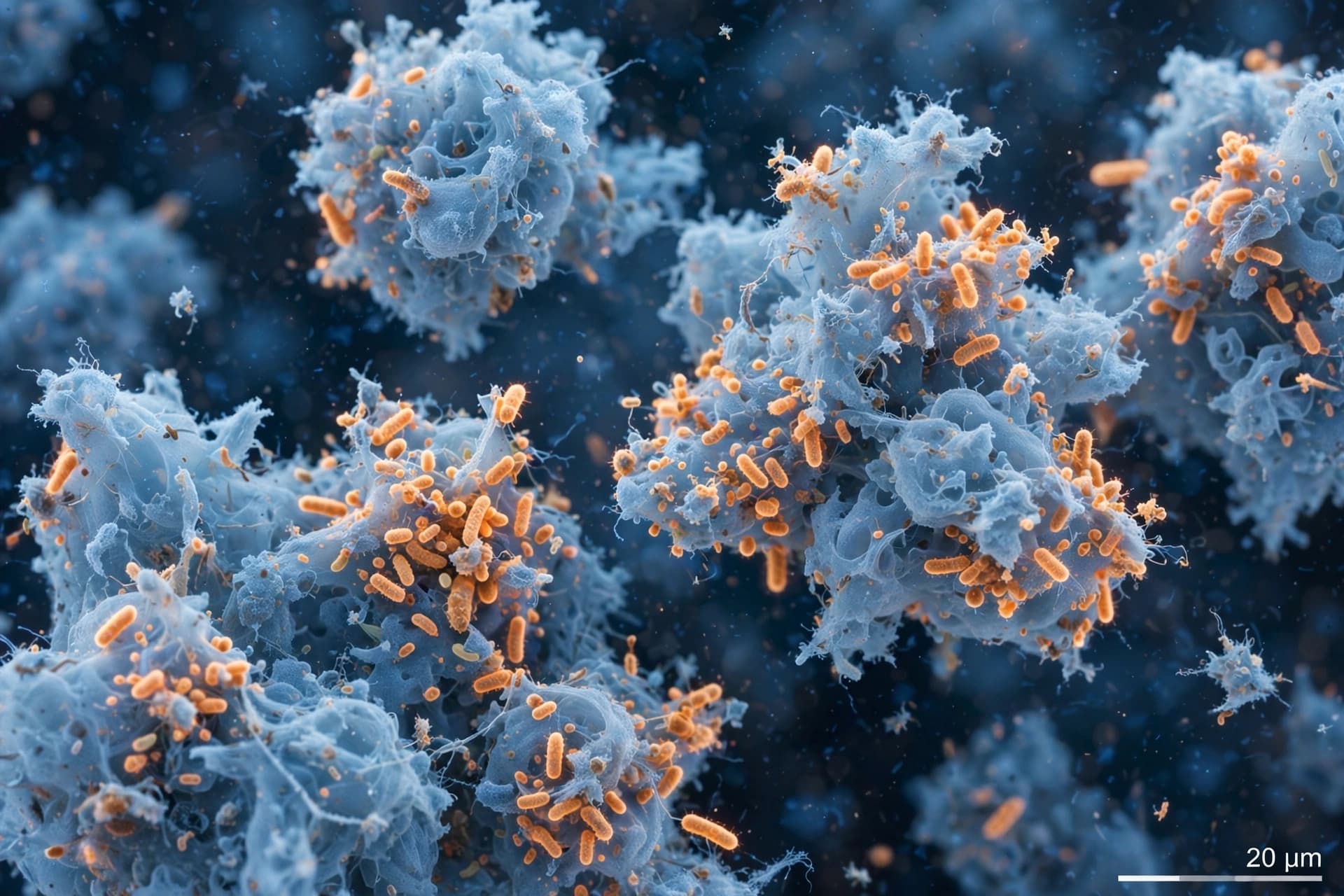
The discovery required a new way of seeing. For four years, postdoctoral scholar Bryce Inman and his colleagues struggled to observe how individual bacteria interact with the physical structure of marine snow . "Observing individual bacteria interacting with the physical structure of mucus had never been possible," Inman said . Using a combination of 3D confocal microscopy and specialized fluorescent molecules, the team finally mapped what Inman calls "the muscoscape"—the physical terrain of individual marine snow particles, with all their bulges and crevasses .
What they found was a kind of architecture. Bacteria can colonize the less viscous regions near the particle's surface with ease, but the denser, more viscous interior resists penetration. "Think of it like a worm in an apple," Inman explained. "The flesh is easy to penetrate, but the core is tough to chew through" . The more viscous the particle, the longer it takes for bacteria to degrade it, and the deeper it sinks before fragmenting. Computer simulations confirmed that high-viscosity marine snow carries its carbon payload farther into the deep ocean .
The findings, published in Science, have implications beyond the carbon cycle. The researchers' new imaging method—detailed in a companion paper in Nature Communications—opens a window onto how bacteria interact with mucus in any context, from coral reefs to kelp forests to the human digestive tract . "Mucus, slime, whatever you want to call it, has a surprising amount of structure," Inman said . "This is the first time we're really examining this physical habitat."
The study adds a new variable to models of ocean carbon sequestration. If the gooeyness of marine snow varies across regions and seasons, then the efficiency of the biological pump—the process that moves carbon from the atmosphere into the deep sea—may be more variable than previously assumed. The next step, Inman said, is to determine how widespread these viscous particles are and how their distribution might shift as ocean conditions change.
There is a certain poetry in the idea that the fate of atmospheric carbon may hinge on the texture of something as humble as mucus. The ocean's snow is not uniform; it is a heterogeneous landscape of firm cores and soft edges, and the bacteria that consume it navigate that landscape with the patience of grazers. The gooier the snow, the longer it lasts, and the deeper it carries what it holds.
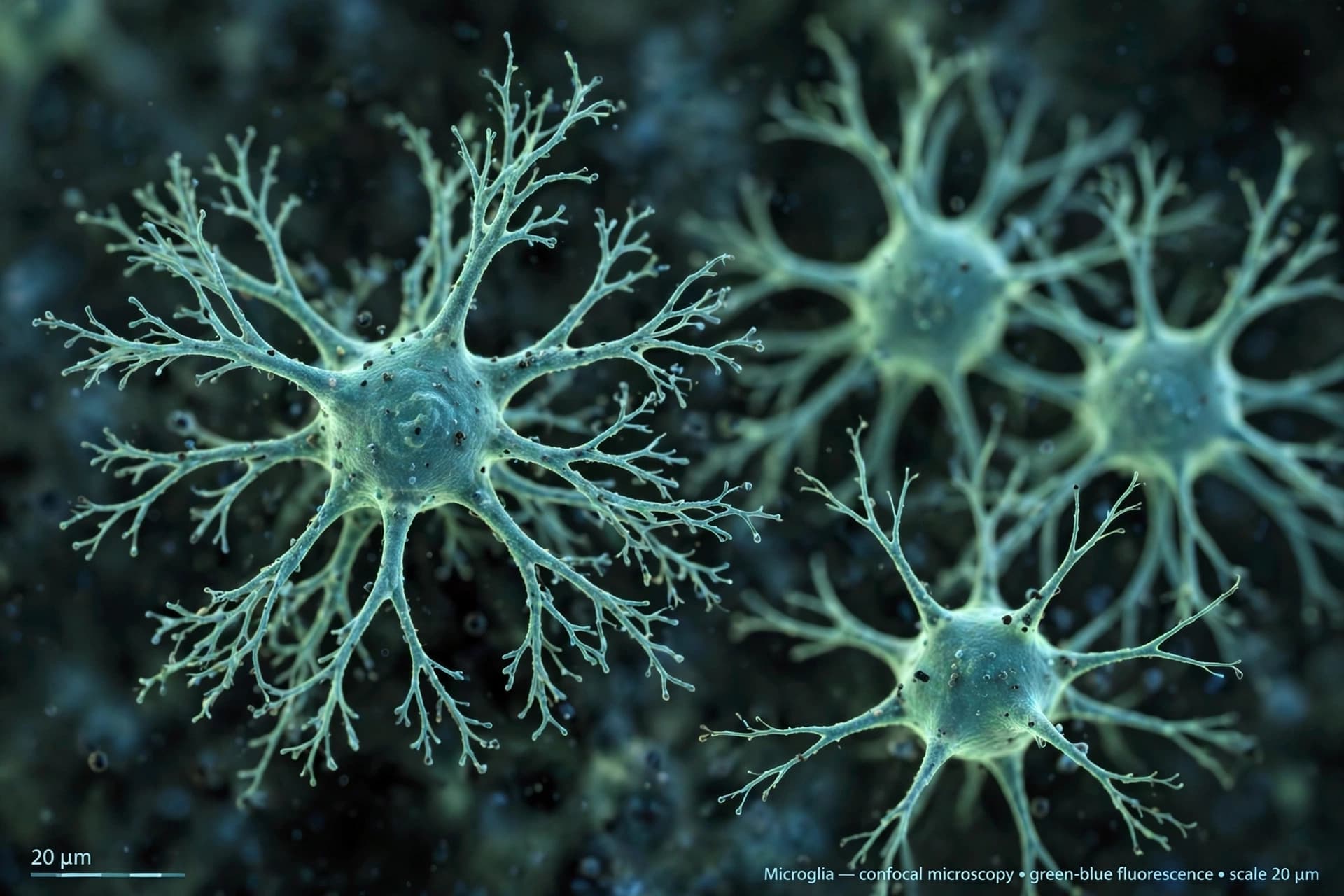
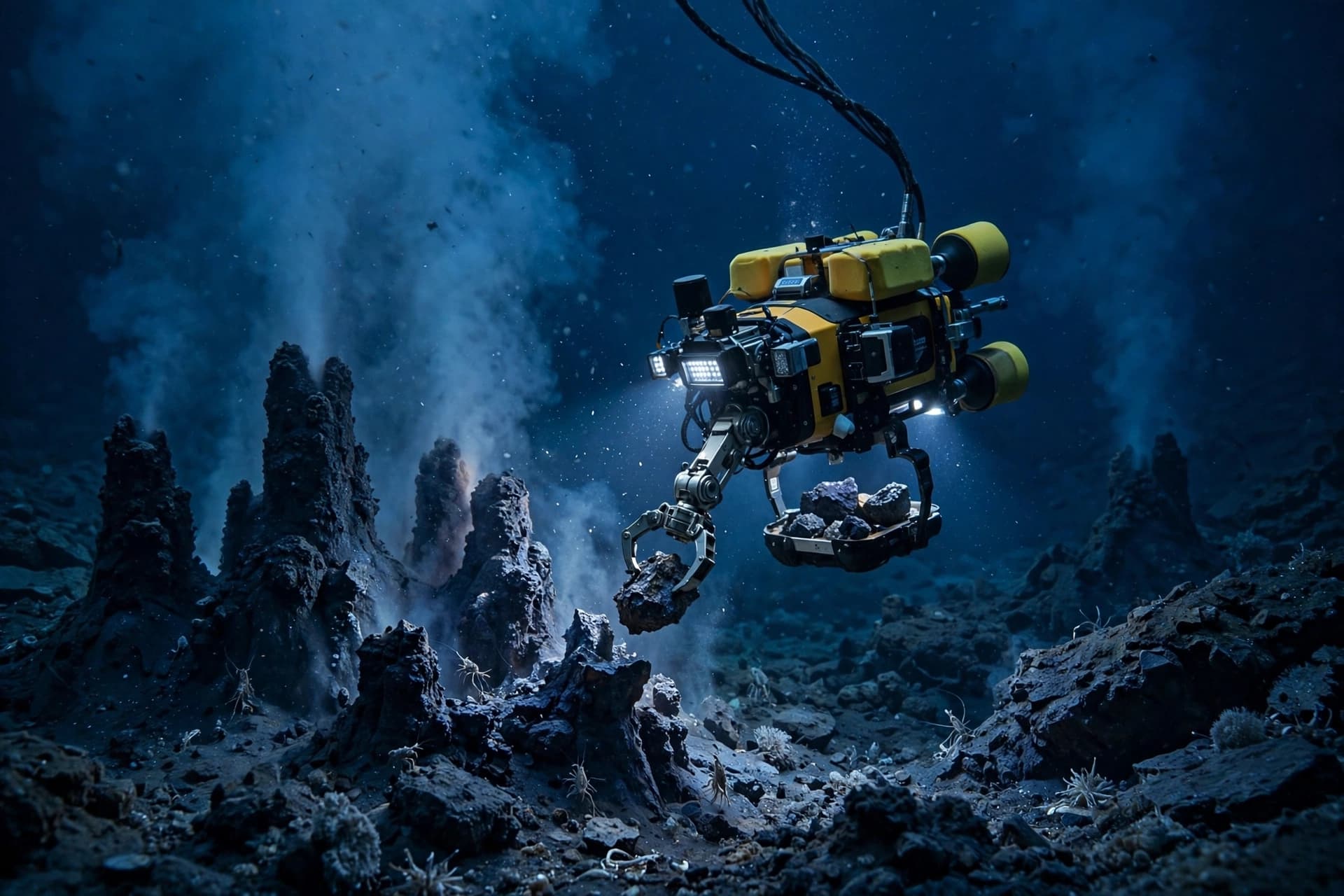
AI Image Disclaimer: The visual content in this article was generated by artificial intelligence and is for illustrative purposes only.
Sources:
· EurekAlert! · Scripps Institution of Oceanography · Science · Nature Communications
Published by Banx Network. This article is part of the Banx decentralized media programme, powered by the BXE token on the XRP Ledger.