There is a profound, almost sacred quiet that defines the hour of dawn in a city neighborhood. It is the time when the heavy, pervasive noise of the day has yet to begin, and the air is still cool with the remnants of the night. For most, this is a moment of anticipation, a soft prelude to the waking life of the city. Yet, in a recent morning in the capital, this tranquility was violently dismantled by a sudden, catastrophic release of energy—a residential explosion that transformed a quiet street into a scene of ruin and profound human suffering.
The nature of such an event is inherently jarring, not only for the violence of the blast but for the absolute suddenness with which it alters the local reality. One moment, the structures and lives within them are governed by the orderly, predictable routines of home; the next, they are caught in the chaotic aftermath of collapse and fire. It is an experience of rupture, where the sanctity of the domestic space—the place we most associate with safety and permanence—is rendered instantly precarious.
For the residents of the neighborhood, the explosion leaves behind a landscape that is both physical and emotional. The debris—the broken glass, the buckled walls, the scorched remnants of personal belongings—tells a story of a loss that is as tangible as it is devastating. But beyond the wreckage, there is the lingering shock of the community, the realization that the danger was not a distant possibility but an immediate, localized threat. The casualties, twenty-four lives touched by injury or loss, represent the true, human measure of the disaster.
It is difficult to process such a scene without reflecting on the vulnerability of our built environment. We live in a world where we rely on the invisible, often complex systems—gas lines, electrical grids, structural integrity—to sustain our daily lives. When these systems fail, the consequences are rarely subtle. They are explosive, indiscriminate, and deeply disruptive. The incident serves as a quiet, somber reminder that the infrastructure of our homes, while designed for our convenience, requires a level of vigilance and maintenance that is often neglected in the bustle of urban progress.
In the aftermath, the neighborhood is left to reconcile with the new, stark reality of the space. There is the immediate urgency of the rescue and the medical response, a frantic, highly organized effort to address the physical trauma of the survivors. But once the sirens fade and the investigation begins, the process of recovery is much slower, much more private. It is a period of collective processing, where the residents must find a way to inhabit a landscape that has been irrevocably changed by the events of that single, morning hour.
Reflecting on the causes—whether they be rooted in human error, technical failure, or the gradual degradation of aging infrastructure—is a necessary part of the public narrative. Yet, for those who lived through the event, the explanation is often secondary to the experience itself. The focus shifts toward the resilience of the survivors, the support of the broader community, and the slow, deliberate work of rebuilding the foundations of their lives. It is a narrative of survival, carved out of the aftermath of disaster.
As the authorities continue their work, sifting through the wreckage for clues and assessing the safety of the surrounding buildings, the city is provided with a stark, unsettling lesson in the importance of safety protocols. It is a moment for the community to look at the structures they inhabit with a renewed, perhaps more critical, eye. The hope, however small, is that the lessons learned from this morning’s ruin will serve as a barrier against future tragedy, ensuring that the quiet of dawn remains, as it should be, a time of peace rather than a harbinger of collapse.
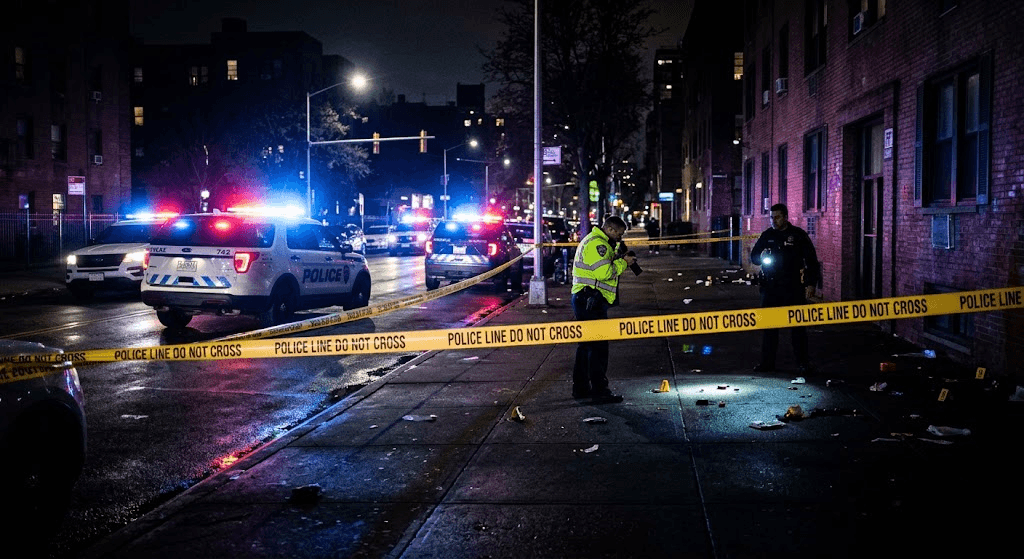
In the early morning hours of late June 2026, a massive explosion occurred in a residential area, resulting in 24 casualties. Local emergency responders were dispatched immediately to the scene, which was cordoned off as rescue operations took place. While the exact cause of the explosion is still under investigation by municipal authorities, preliminary reports highlight the significant structural damage to surrounding homes. Medical teams provided urgent care to the injured, and the neighborhood is currently undergoing a safety assessment to prevent further incidents.
Published by Banx Network. This article is part of the Banx decentralized media programme, powered by the BXE token on the XRP Ledger.