
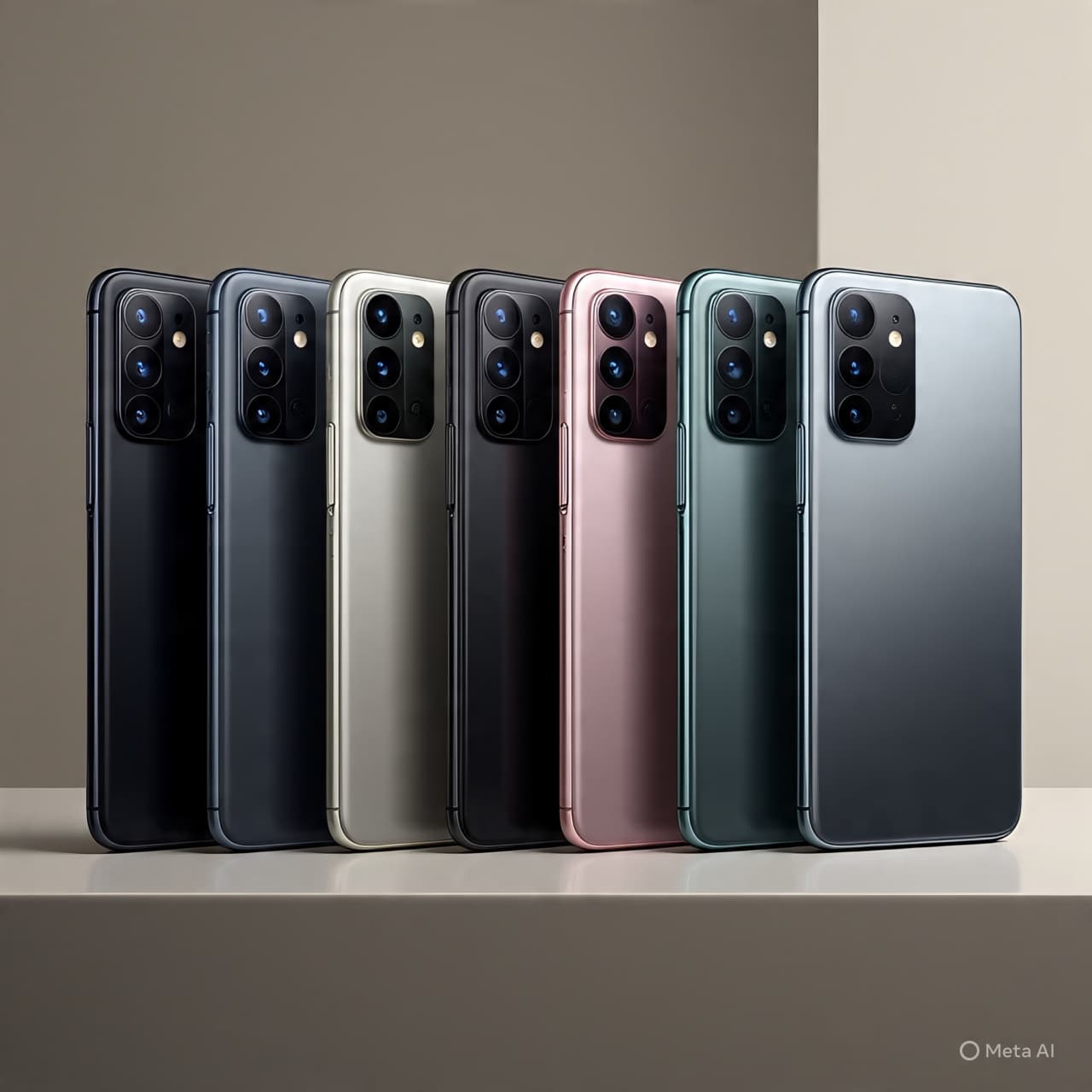
In the tapestry of wireless connections, where invisible threads bind our devices into a seamless rhythm of communication, a new strand has been quietly catching the eye of tech enthusiasts. Like a gentle breeze that promises both calm and possibility, NearLink — a burgeoning short-range communication standard — is weaving itself into the fabric of Huawei’s newest flagship phones, hinting at experiences that feel both natural and elevated.
NearLink, in essence, seeks to redefine the way devices speak to one another. Not unlike a language that evolves to express subtler emotions, this technology aims to improve on established methods like Bluetooth and Wi-Fi by offering more stable connections, lower latency, and reduced power consumption. For users, that could mean a smoother transfer of sound, data, and even control signals between devices with less fuss and more reliability.
Recently, Huawei has certified several of its flagship phones with NearLink support, signaling a thoughtful expansion of this technology beyond its early adopters. Devices now recognized in this wave include the Huawei Nova 15 Ultra, Nova 15, the Pura 80 and Pura 80 Ultra, the Mate 80 Pro (16GB), and the Mate X7 Collector’s Edition. These certifications suggest that NearLink may soon play a larger role in how users interact with their smartphones and complementary gear.
The growing presence of NearLink resonates with broader trends in mobile ecosystems. Huawei has already brought this technology to wireless earbuds and other peripherals, unveiling enhanced audio experiences and potentially lossless streaming with enhanced connection stability. By aligning its flagship phones with NearLink, the company seems to be embracing a connectivity philosophy that values harmony and continuity between devices within its ecosystem.
Beyond phones and audio accessories, NearLink’s story stretches across tablets, stylus tools, and even PCs, as outlined in broader explanations of the technology’s capabilities. This context helps illustrate how NearLink isn’t just another acronym in a spec sheet; it’s part of a subtle shift toward more intuitive, dependable wireless interactions.
For everyday users, these certifications could translate into faster pairing, more responsive accessory control, and richer multimedia experiences, especially when paired with compatible devices. It could also enable features like phone-as-car-key protocols and advanced audio codecs, further smoothing the path between technology and daily life.
In gentle news terms, Huawei has officially listed multiple of its current flagship smartphones as certified for NearLink support. This development points to continued adoption of the technology across its hardware lineup, with implementation details and broader availability to be confirmed closer to device launches and software updates.
AI Image Disclaimer (Rotated)
Graphics are AI-generated and intended for representation, not reality.
Sources (5 credible mainstream/niche media):
1. Huawei Central (report on Huawei flagship phones receiving NearLink certification) 2. Notebookcheck (tech insights mentioning dual 200 MP camera rumors and related industry overviews) — supporting industry context 3. Gizmochina (context on Huawei and NearLink audio technology adoption) — supporting tech trend context 4. Wikipedia (NearLink overview) — explains NearLink technology and device history 5. Huawei Central (Huawei Nova 15 NearLink Audio update) — additional NearLink device context
Published by Banx Network. This article is part of the Banx decentralized media programme, powered by the BXE token on the XRP Ledger.


.jpg&w=3840&q=75 "The Artemis Revolution: How NASA Plans to Build Humanity's Future on the Moon")