sometimes the slow erosion of access does not feel like a war. it feels like a gradual dimming of light. cafés keep their lights on, but the air inside is quieter. students open laptops, but tabs fail to load. businesses still work invoices, but payments hang in limbo. the world outside continues to spin, yet the internet door is half-closed. this is what it feels like when a clampdown is extended after the world has already moved on from the headlines.
families learn to live with VPNs as if they are part of the plumbing. the older generation asks for new apps every week because last week’s app stopped working. shopkeepers improvise with offline accounting because the cloud becomes unpredictable, like weather. when connectivity becomes a permission instead of a utility, everyday life becomes a choreography of avoidance. people become fluid experts in the art of rerouting — not out of rebellion, but out of stubborn survival.
there is something deeply human in how quickly people accept friction when they have little power to remove it. a nation that can build beautiful engineering talent is forced to live behind locked ports. the internet becomes an airport gate that never calls boarding. and this is the paradox: the war justification is gone, but the restriction stays, because restriction — once installed — is not a temporary device, but an architecture. the cost is paid not in ideology, but in the grocery store, in the student lab, in the family kitchen.
and so the world sees a lingering clampdown that was born in conflict, but now stretches into what is supposed to be normal civilian time. the story is no longer the battlefield. it is the mundane, the routine, the daily friction. this is how a policy becomes a backdrop. this is how a clampdown becomes the ambient condition. this is how a society lives when the internet is not quite open, even after the war narrative has already left the stage.
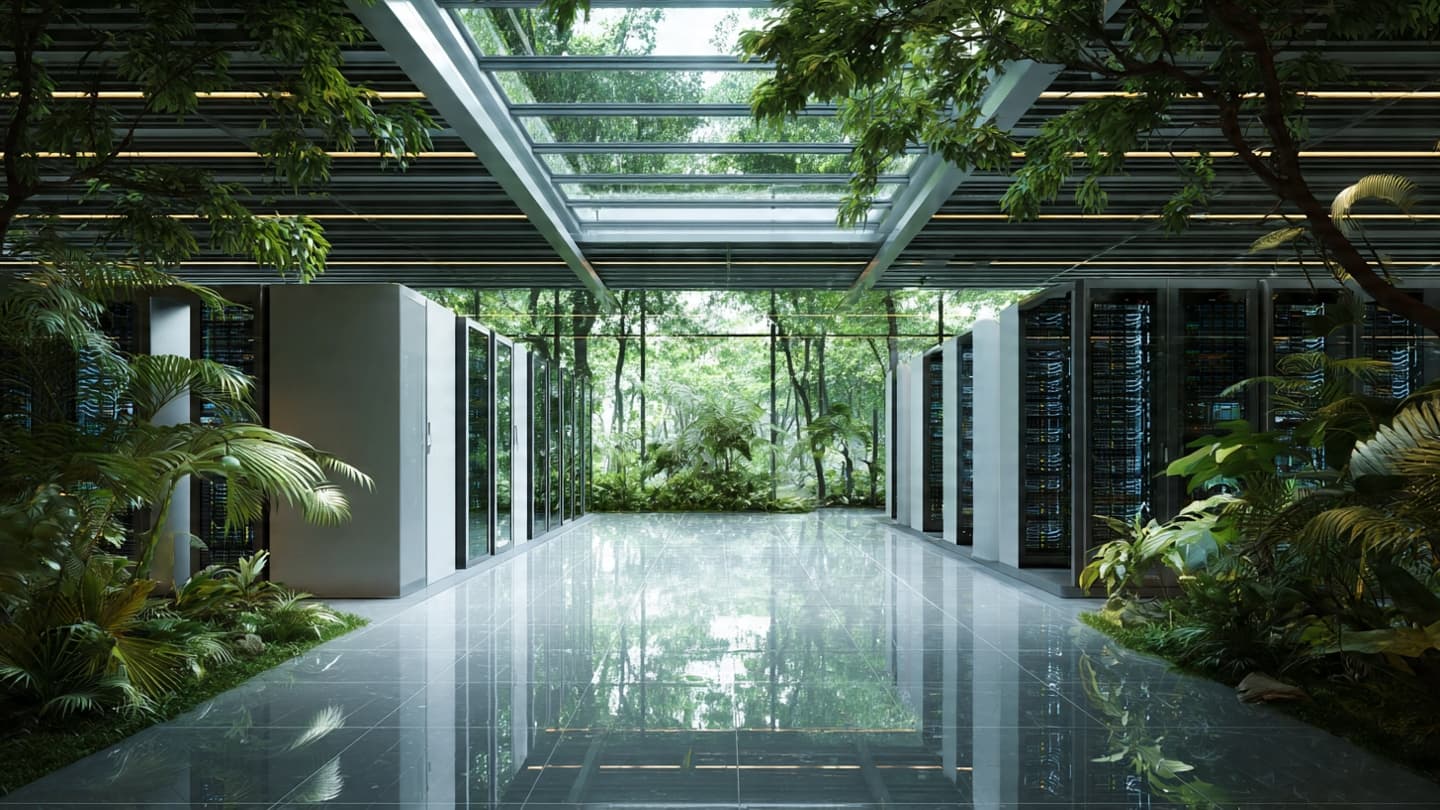
AI Image Disclaimer: Visuals are created with AI tools and are not real photographs.
Sources: Reuters, Associated Press, Al Jazeera, Washington Post, BBC
Published by Banx Network. This article is part of the Banx decentralized media programme, powered by the BXE token on the XRP Ledger.