Key Highlights
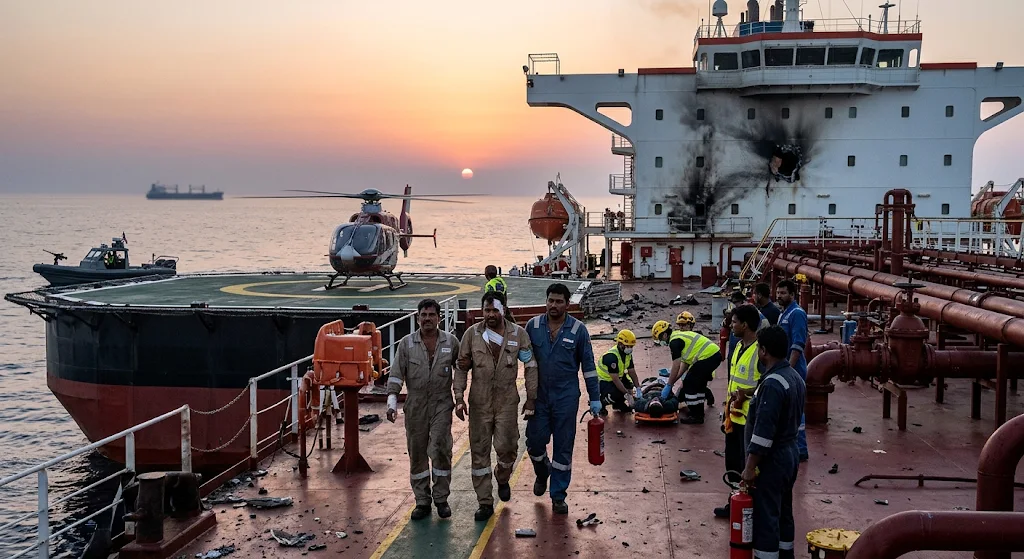
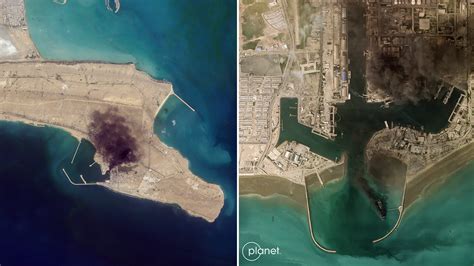
- Estimated Damage:The US-Iran war has caused over $200 billion in physical damage across six Gulf Cooperation Council states.
- Affected Facilities:More than 80 energy facilities were impacted, primarily in Kuwait, Qatar, and Bahrain.
- Economic Projections:Cumulative economic losses are projected to reach $790 billion by 2030, significantly affecting regional GDP.
The ongoing conflict between the United States and Iran has resulted in staggering financial repercussions, particularly for the Gulf Cooperation Council (GCC) states. According to a recent report by Allianz Trade, the war has inflicted over $200 billion in physical damage across six GCC nations, highlighting the extensive toll on infrastructure and economic stability in the region.
The report details that more than 80 energy facilities have been targeted during the conflict, with the majority located in Kuwait, Qatar, and Bahrain. Alarmingly, about one-third of these facilities have sustained severe damage, raising concerns about the long-term viability of energy production in these countries. The destruction of such critical infrastructure not only hampers immediate energy output but also poses a significant threat to future investments in the sector.
In addition to the direct damage to energy facilities, the report projects cumulative economic losses could reach as high as $790 billion by the year 2030. This figure represents a staggering 5.9% shortfall in regional GDP compared to prewar expectations, indicating that the conflict's impact extends far beyond physical destruction. The economic ramifications include lost output across various sectors, which could stifle growth and development in the region for years to come.
Tourism and property growth have also been adversely affected by the ongoing conflict. The GCC states, known for their vibrant tourism sectors, are likely to see a decline in visitor numbers as safety concerns rise and travel advisories are issued. This decline in tourism not only affects local businesses but also has a ripple effect on the overall economy, further exacerbating the financial strain caused by the war.
As the conflict continues, the long-term consequences for the Gulf region remain uncertain. The Allianz Trade report serves as a stark reminder of the extensive damage inflicted by the US-Iran war, emphasizing the urgent need for diplomatic efforts to restore stability and prevent further economic decline in the region. Stakeholders across various sectors must prepare for the ongoing challenges posed by this conflict, as the path to recovery will likely be long and arduous.
Published by Banx Network. This article is part of the Banx decentralized media programme, powered by the BXE token on the XRP Ledger.