The keyboard, a tool so familiar today, carries a story that winds through centuries of invention and adaptation. Long before the digital age, the journey began with mechanical typewriters of the 19th century. Their clattering keys and heavy carriage returns established the tactile rhythm that still echoes in the way we type today. When early computer engineers sought an interface for input, the typewriter’s design provided both inspiration and practicality.
The QWERTY layout, devised in the 1870s to reduce key jams on mechanical machines, persisted even as the logic for its arrangement faded. By the time computers emerged in the mid-20th century, familiarity outweighed efficiency, cementing QWERTY as the global standard. Alternative layouts like Dvorak and Colemak attempted to challenge it, yet tradition and widespread training ensured QWERTY’s dominance.
Through the decades, keyboards evolved with technology. The 1960s brought teletype machines connected to mainframes, where keyboards became not just writing instruments but gateways into computing. The arrival of personal computers in the 1980s gave keyboards their now-iconic form: rows of plastic keys, function buttons, and the new addition of arrow keys that opened worlds of navigation.
Modern keyboards extend far beyond the simple act of typing. Mechanical switches have seen a resurgence, prized for their tactile feedback and durability. Wireless designs, ergonomic shapes, and even virtual touchscreens continue to push the boundaries of interaction. Yet, despite these innovations, the essential idea remains unchanged: a human hand translating thought into digital language, one keystroke at a time.
The keyboard is more than a device; it is a bridge between intention and execution, past and present. Its story reflects not only the progress of machines but also the persistence of human habit and the subtle power of tradition in shaping how we work, create, and connect.
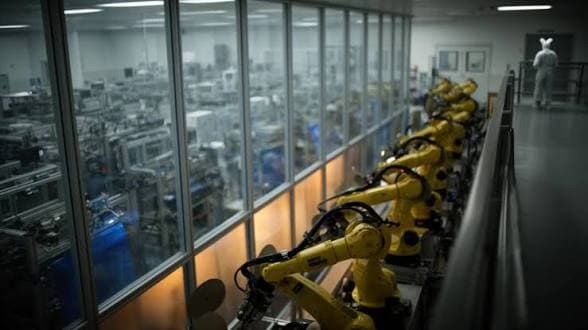
Disclaimer: featured images are created by Meta AI, they may contain errors and not match the original version.
Published by Banx Network. This article is part of the Banx decentralized media programme, powered by the BXE token on the XRP Ledger.