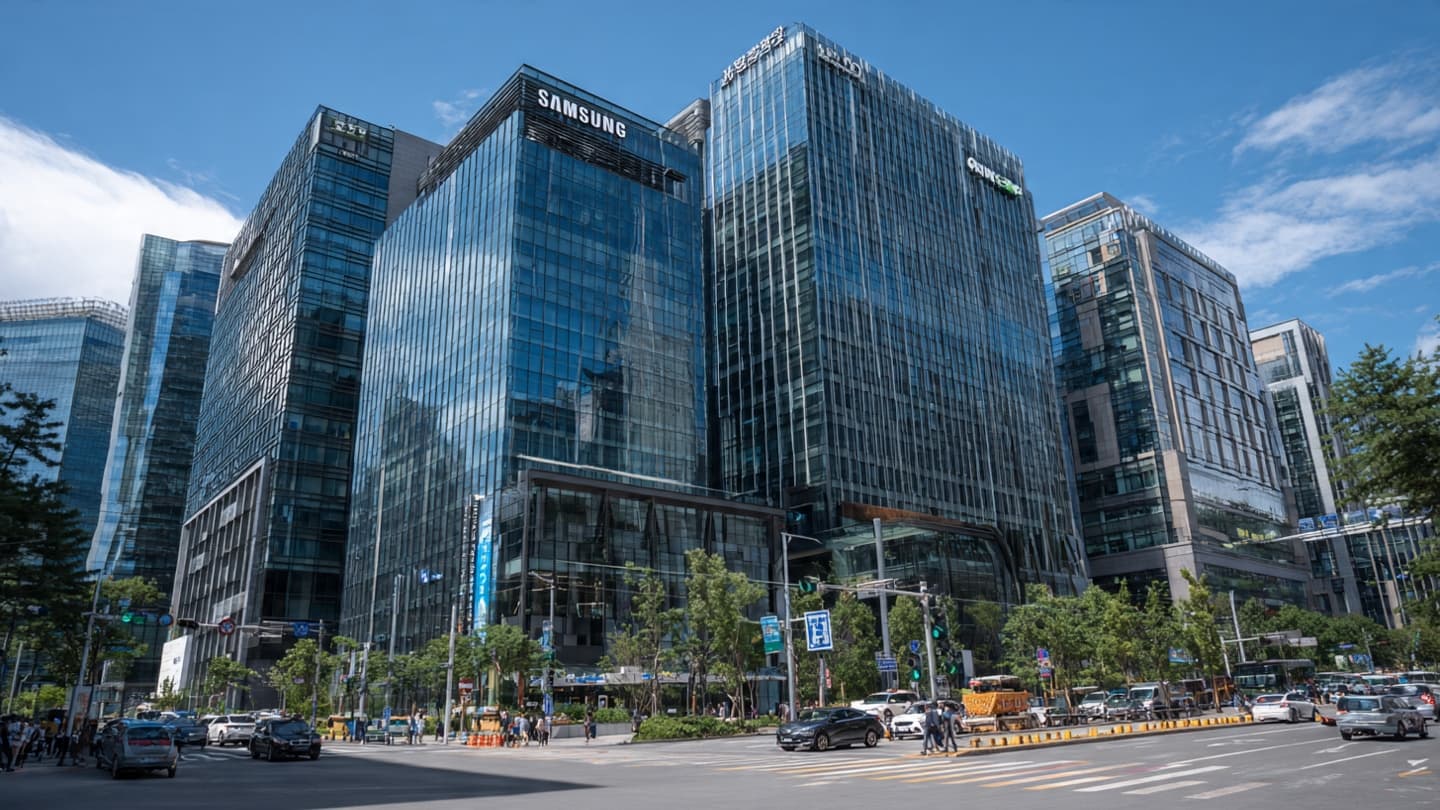
There are moments when a company’s balance sheet becomes a kind of landscape, revealing not only what has been earned but what investors expect to see beyond the horizon. In Seoul, Samsung Electronics recently opened that landscape wider, announcing a shareholder-return plan on a scale rarely seen in South Korea.
Samsung’s board approved an estimated 90 trillion to 110 trillion won in shareholder returns for 2026, equivalent to roughly $65 billion to $80 billion. The company described it as its largest-ever shareholder-return program and said the plan would include dividends and share repurchases.
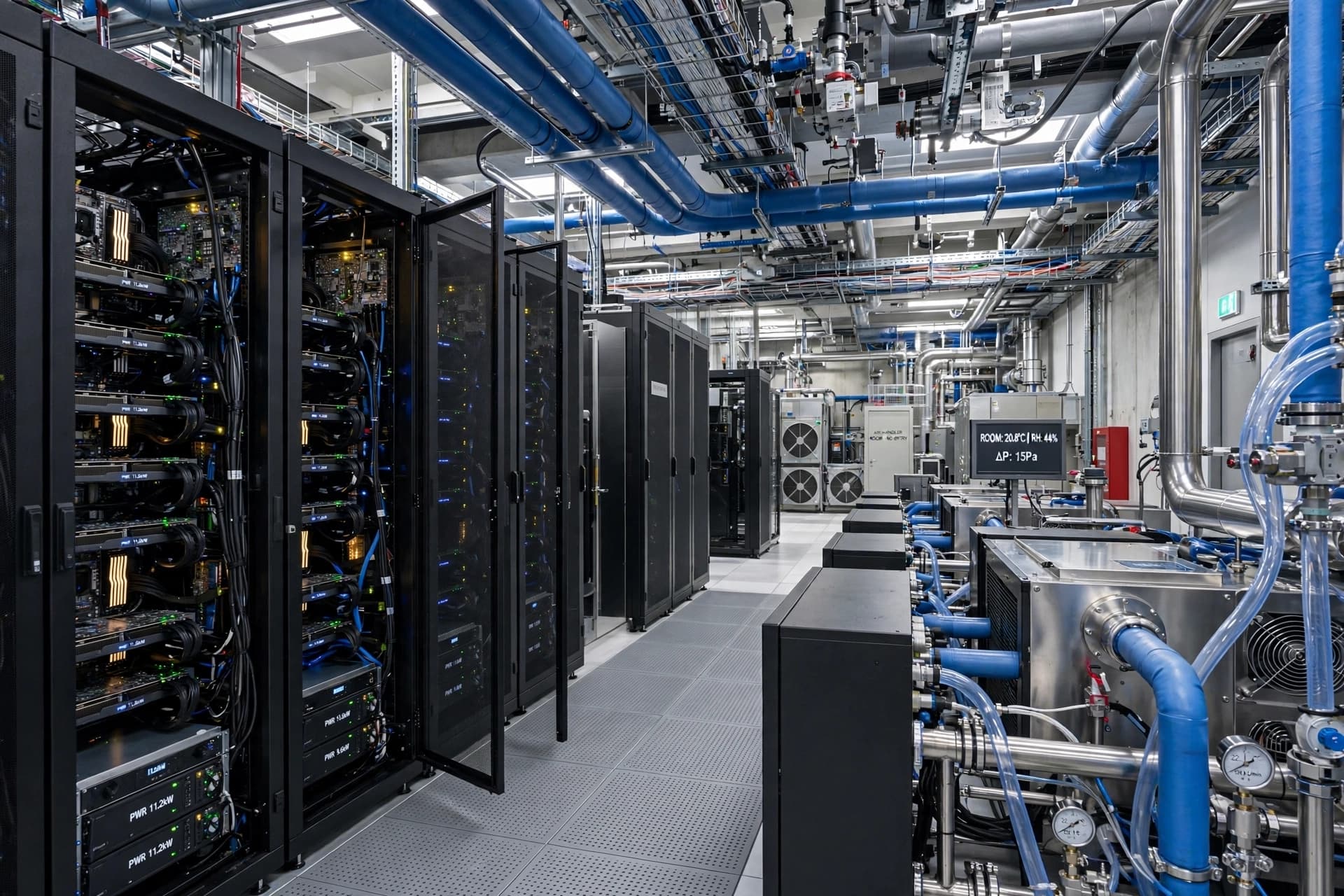
The scale of the announcement reflects the extraordinary profits being generated by the semiconductor industry. Demand for high-bandwidth memory and other chips used in artificial-intelligence infrastructure has strengthened Samsung’s financial position, while the global expansion of data centers has created a powerful market for advanced memory technology.
Yet the market’s first response was quieter than the size of the announcement might suggest. Samsung shares fell more than 5% in early trading on August 24, with Reuters reporting that investors had expected a larger portion of the company’s AI-driven cash windfall to be returned and wanted greater clarity surrounding the buyback program.
That reaction carries an interesting rhythm. A company can announce record profits and still face questions from investors. The issue is no longer simply whether Samsung is benefiting from the AI boom, but how those gains will be divided between shareholders, future investment, employees, and the enormous costs of expanding semiconductor capacity.
Samsung’s return policy forms part of a broader three-year commitment covering 2024 through 2026. Under that framework, the company has pledged to return 50% of free cash flow generated during the period to shareholders. The latest announcement therefore sits within a longer financial strategy rather than appearing as an isolated gesture.
The timing also places Samsung alongside SK Hynix, another South Korean semiconductor giant benefiting from AI demand. SK Hynix recently announced a 40 trillion won share buyback and cancellation program, increasing pressure across the industry for companies to demonstrate how extraordinary chip profits will translate into shareholder value.
Behind the financial numbers is a larger technological transition. Artificial intelligence has created enormous demand for computing infrastructure, and memory chips have become one of its essential foundations. Samsung and SK Hynix are therefore operating at the intersection of two forces: investors seeking immediate returns and companies needing to invest heavily to remain competitive in the next phase of the chip cycle.
That balance is not always easy to maintain. Semiconductor demand can rise rapidly, but technology markets can also turn quickly when customers reduce investment or new capacity arrives faster than expected. Capital therefore has to move in several directions at once, toward shareholders today and toward factories, research, and technology tomorrow.
For now, Samsung’s record shareholder-return plan remains a striking reflection of the money flowing through the AI semiconductor cycle. The company has committed to distributing between 90 trillion and 110 trillion won in 2026, while investors continue assessing whether the scale and structure of those returns match the profits being generated by the technology boom.
AI Image Disclaimer The illustrations were generated with AI technology and are intended as conceptual representations rather than photographs of actual events.
Sources Reuters Samsung Electronics Financial Times The Wall Street Journal Korea Herald
Published by Banx Network. This article is part of the Banx decentralized media programme, powered by the BXE token on the XRP Ledger.