There is a particular violence to a spring sky when it turns—the way a bright afternoon can darken in minutes, the way the air itself seems to change its mind. This week, across parts of eastern Australia, that violence arrived with hail the size of golf balls, winds that tore roofs from homes, and a tornado that witnesses described as something out of a disaster film.
On Saturday, a tornado ripped through parts of the New South Wales south coast around Ulladulla—an event the Bureau of Meteorology described as “very unusual”. Vision showed the rotating column moving across residential areas, while staff at a local café scrambled to pull tables and chairs inside before the winds swept through. Boats chained to the harbour were lifted and thrown onto the car park. “It just came through so quickly,” café owner Julius Machado told the ABC. “In the 30 seconds, just swept over everything”.
The State Emergency Service received more than 90 calls for assistance across the state, including 29 around Ulladulla, responding to roofs ripped from homes, dislodged tiles, fallen trees, and powerlines. Dozens of properties lost power.
The storms were part of a broader system that had already brought a month’s worth of rain to parts of Victoria in a single day, cutting power to around 6,000 homes and prompting nearly 200 calls for help. In Melbourne, flash flooding trapped drivers, and the SES assisted with six water rescues.
In south-east Queensland, the story was similar. More than 65,000 customers lost power after storms “absolutely smashed” the Energex network, with wind gusts of up to 96 kilometres per hour recorded at Archerfield Airport and hail measuring five centimetres falling in Brisbane’s southern suburbs. The Queensland Fire Department responded to roofs torn from a business in Toowoomba and a house in Millmeran.
Forecasters had warned of the risk: severe thunderstorms capable of damaging winds, large hail, and heavy rainfall. The Bureau of Meteorology noted that a weak trough moving through the region had created an unstable and moist environment—the kind of conditions that can turn a spring afternoon into something far more dangerous.
For those in the path of the storms, the experience was disorienting. A tornado in Australia is rare enough to feel almost unreal; a hailstorm that shatters windows and strips trees is less rare but no less shocking. And as the clean-up begins, the question that lingers is a familiar one: with the climate shifting, how often will these “unusual” events become ordinary?
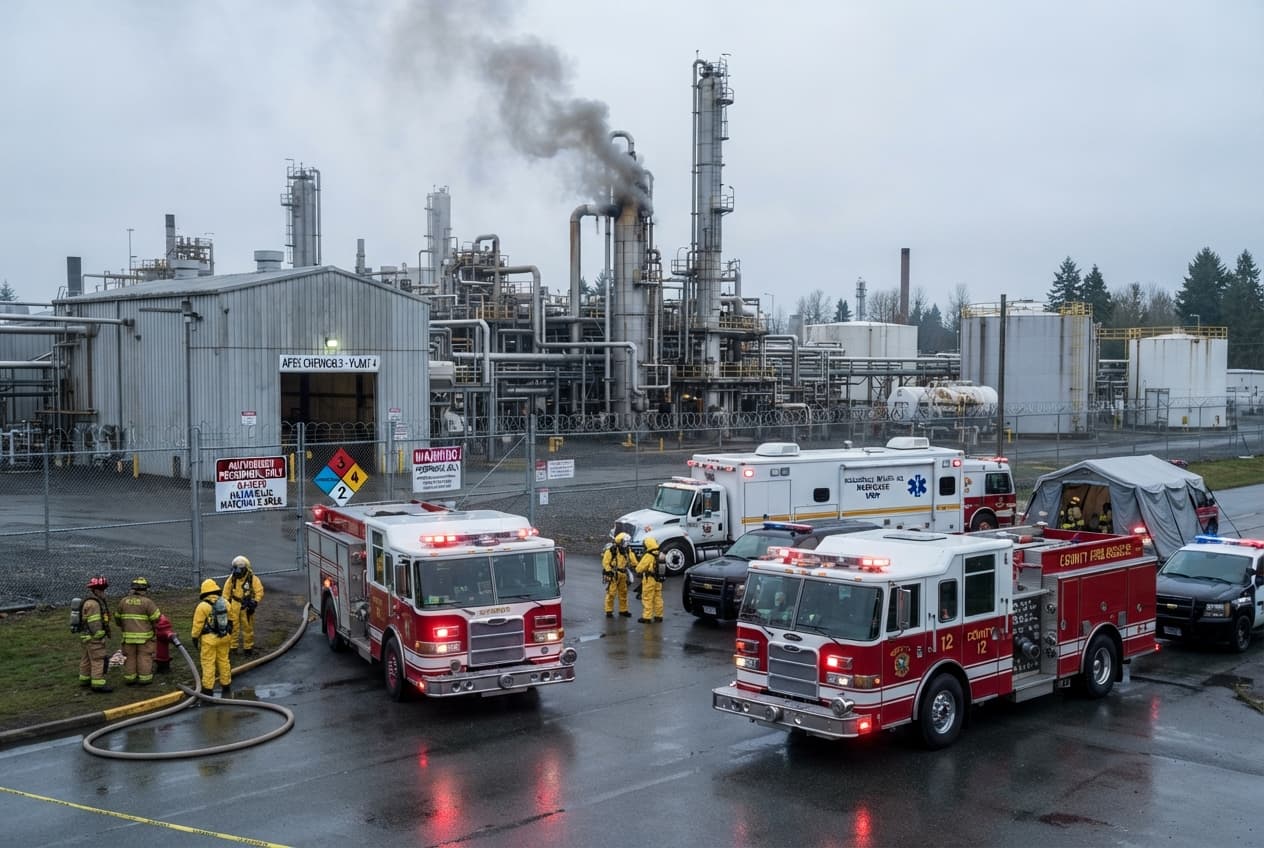
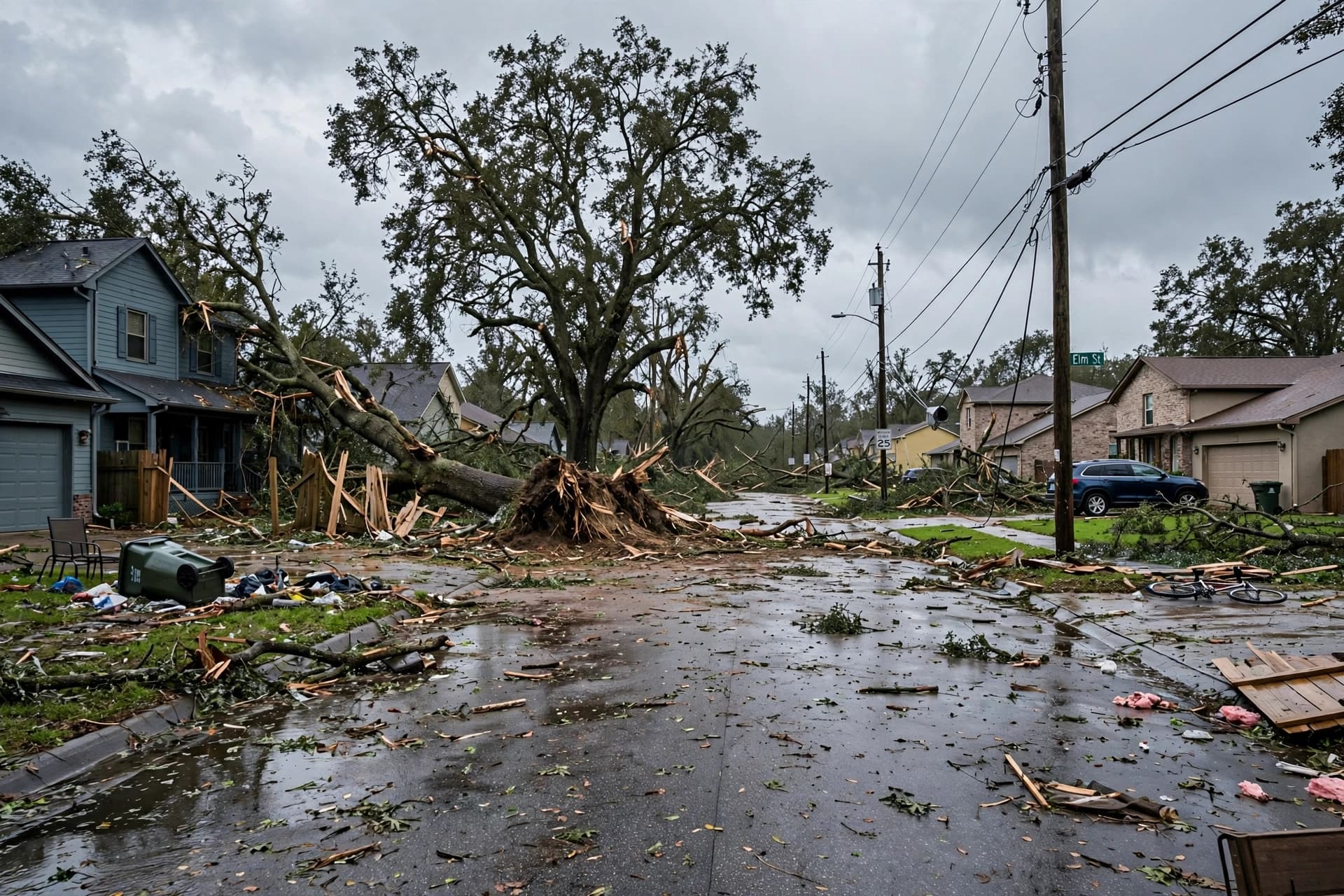
AI Image Disclaimer: The images accompanying this article are generated by artificial intelligence and are intended for illustrative purposes only.
Sources: Australian Broadcasting Corporation, WillyWeather, The New Daily, The Nightly
Published by Banx Network. This article is part of the Banx decentralized media programme, powered by the BXE token on the XRP Ledger.