There is a way of seeing a storm that only becomes possible after it has passed—through the eyes of those who stayed, who watched the water rise and the trees fall, and who took out their phones to record what they saw. In western North Carolina, as the remnants of Hurricane Isaias moved through on a Saturday in October, viewers of a local news station became witnesses, sending photographs that captured the storm's passage. The images that emerged are not merely documentation but a kind of collective memory, a record of a day when the sky opened and the ground could not hold what fell.
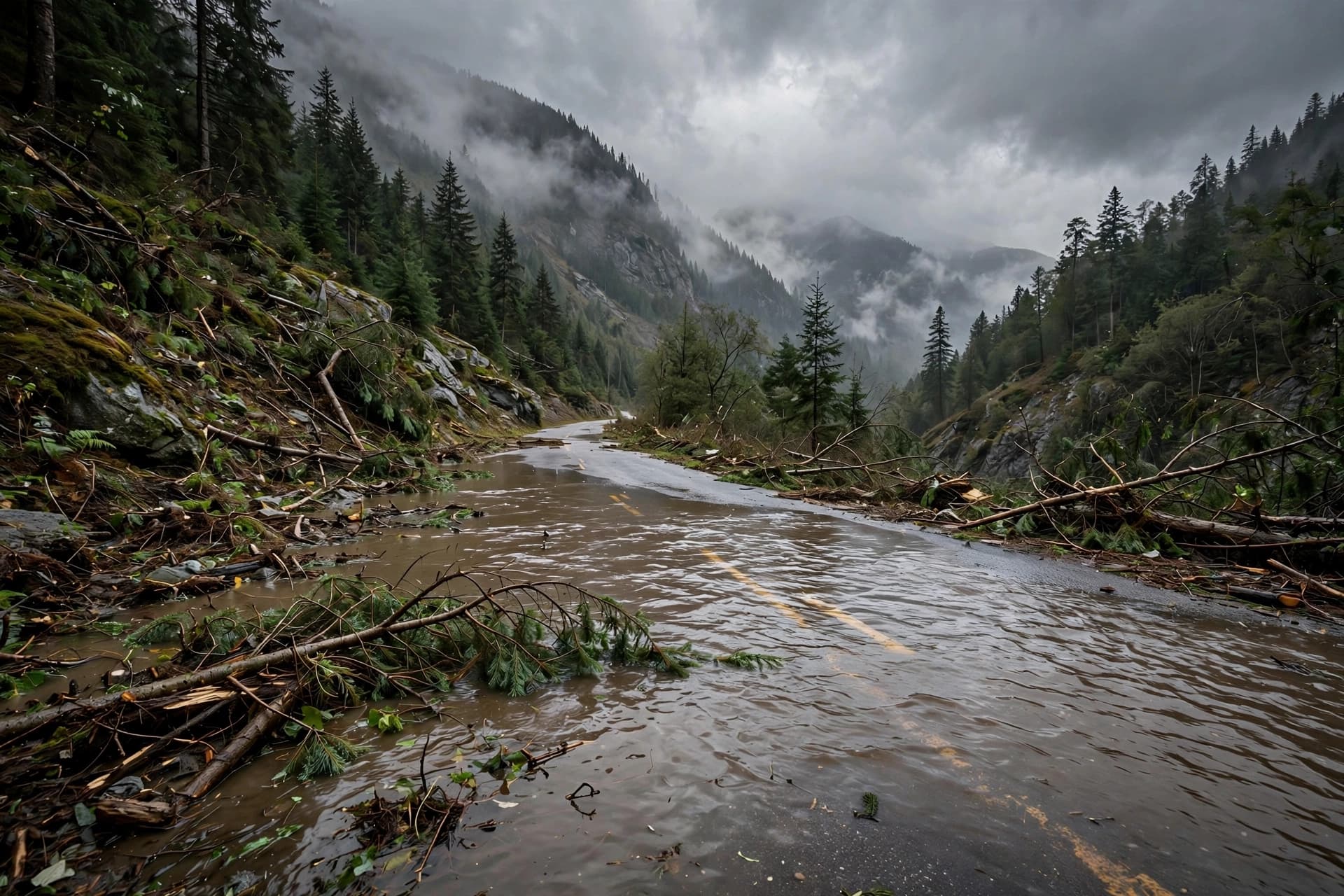
The photographs tell a story of water and its consequences. Heavy rain caused flooding across the region, closing roads and stranding vehicles . In McDowell County, the impacts were particularly severe, with landslides reported as saturated hillsides gave way . The National Weather Service had warned of flash and urban flooding as rivers overflowed their banks, and the warnings proved accurate . Nearly a dozen local weather stations in the county reported rainfall totals ranging from about five inches to as much as 9.57 inches at one fire and rescue station .
One viewer submitted a photograph and video of a fire involving a tree limb and a power line in Burnsville, a small reminder that storms do not act in isolation but set off chains of consequence . First responders in McDowell County dealt with five landslides and conducted voluntary evacuations overnight as roads flooded and streams overflowed . An unhoused man and woman camping near the Catawba River in Burke County were caught off guard by floodwaters and had to be rescued, along with their dog . In Morganton, a woman trapped in her car by floodwaters was freed .
The storm's reach extended far beyond the mountains of North Carolina. Isaias had made landfall in Florida as a Category 2 hurricane, tearing rooftops from buildings, flattening a boathouse in Destin, and ripping the facade from a high-rise in Panama City Beach . At least four deaths were linked to the storm: a woman killed when a tree fell on her home in Escambia County, a man who died from carbon monoxide fumes from a generator in his garage, a person killed by a falling tree in Birmingham, and another death attributed to a vehicle crash involving a downed tree in Barbour County, Alabama . About 226,000 customers remained without power in the Florida Panhandle on Sunday evening .
The gallery of viewer photos is a record of the storm's passage through a specific place—the roads that became rivers, the hillsides that slid, the power lines that fell. But it is also a record of something less tangible: the way communities respond to shared disruption, the impulse to document and to share, the small acts of witnessing that become part of the public memory. For those who experienced the storm, the images are reminders. For those who did not, they are a window onto a day that reshaped the landscape and tested the people who live there.
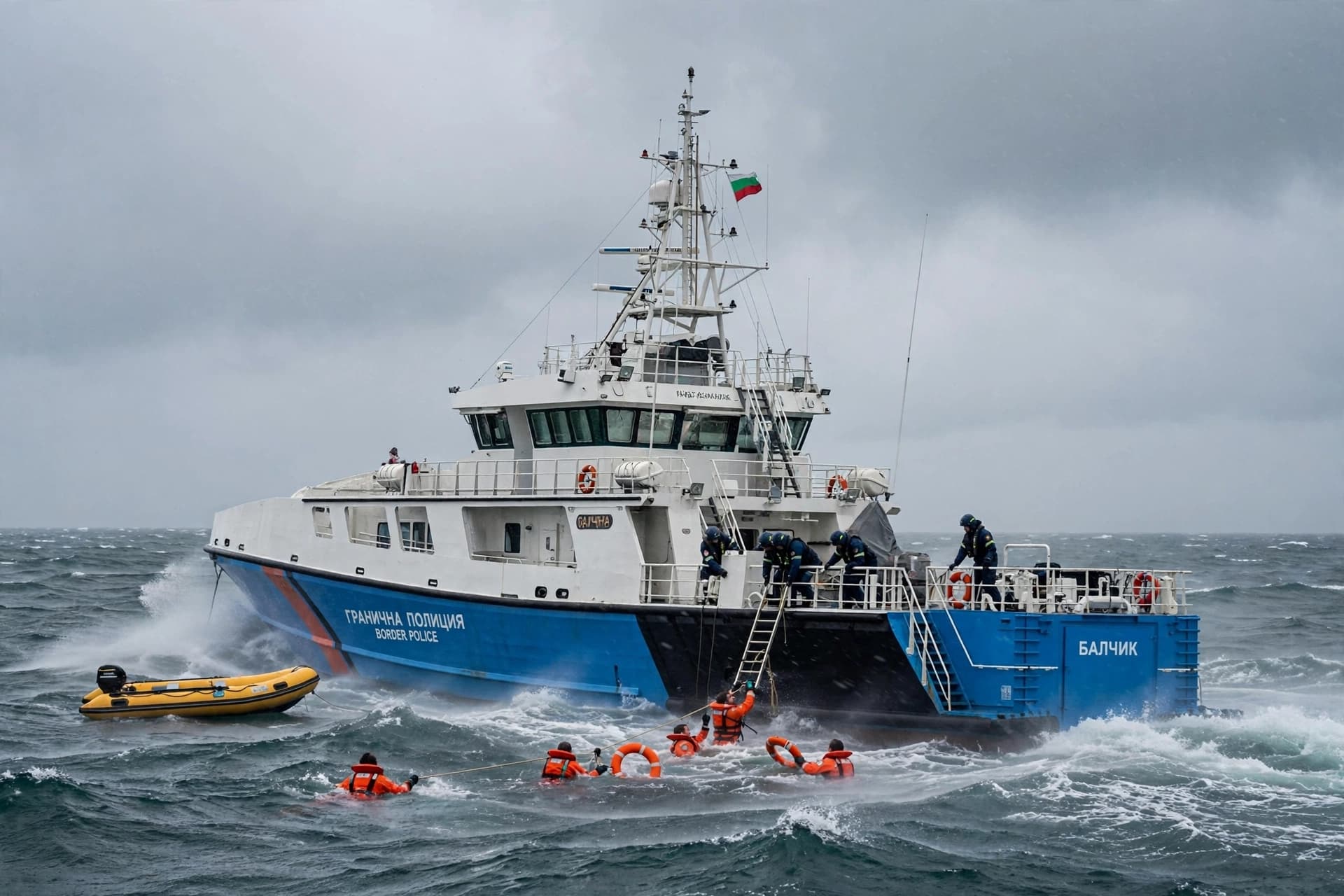
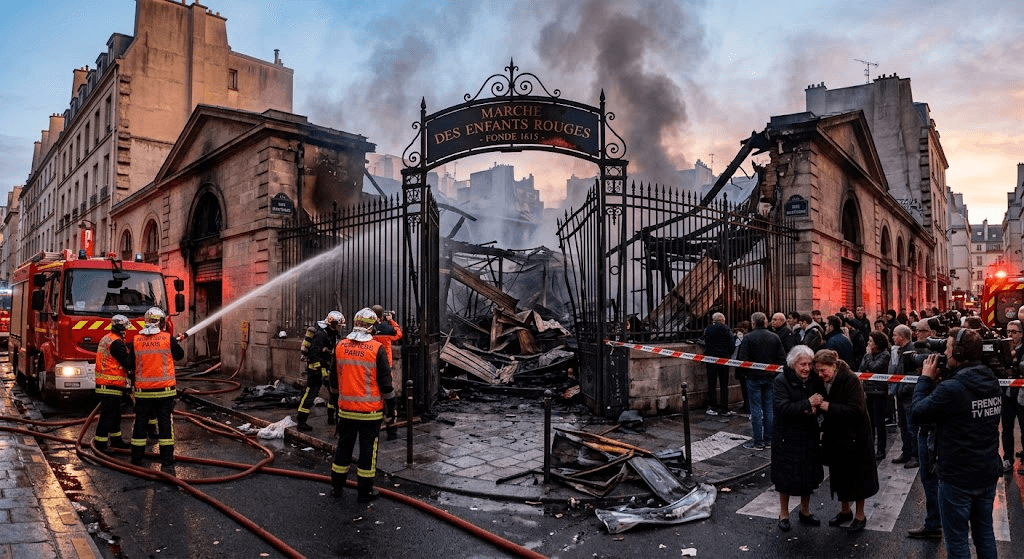
AI Image Disclaimer: The images referenced in this article are AI-generated and are intended for illustrative purposes only.
Sources:
· WLOS · AP News · USA Today · WPXI
Published by Banx Network. This article is part of the Banx decentralized media programme, powered by the BXE token on the XRP Ledger.