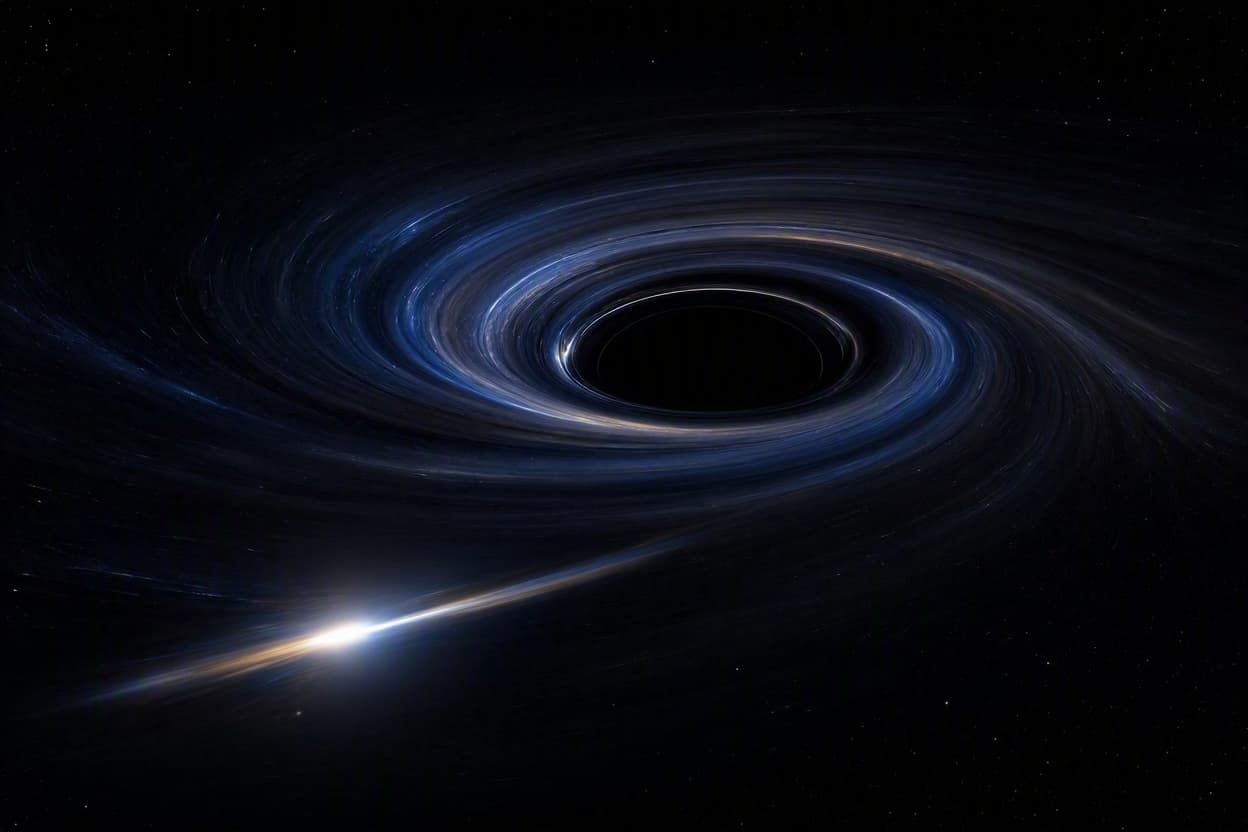
In the gravitational dance of the Milky Way, where stars orbit the galactic center in a slow, majestic waltz, one performer moves with breathtaking speed. Astronomers have identified a star racing around the supermassive black hole at the heart of our galaxy, reaching velocities that defy ordinary intuition. This celestial sprinter, observed by powerful telescopes, offers a vivid demonstration of Einstein’s theory of general relativity in action. It is a glimpse into the extreme physics that govern the most violent and energetic regions of our universe.
The star, known as S2 or S0-2, is part of a cluster of young, massive stars orbiting Sagittarius A*, the four-million-solar-mass black hole at the Milky Way’s center. Using the Very Large Telescope (VLT) in Chile and other advanced observatories, scientists have tracked its orbit with unprecedented precision. At its closest approach, S2 reaches speeds of over 7,000 kilometers per second, a fraction of the speed of light, completing an orbit in just 16 years.
This high-speed journey allows researchers to test the predictions of general relativity in a strong gravitational field. As S2 swings near the black hole, its light is stretched and shifted due to the intense gravity, a phenomenon known as gravitational redshift. Observations have confirmed these effects, providing some of the strongest evidence yet for Einstein’s theory outside our solar system. It is a laboratory for fundamental physics, located 26,000 light-years away.
The discovery of such fast-moving stars also helps astronomers understand the environment around supermassive black holes. How do these young stars form in such a hostile region? Why do they orbit so closely? These questions challenge current models of star formation and galactic dynamics. Studying S2 and its siblings provides clues about the history of the Milky Way’s center and the role black holes play in shaping their host galaxies.
Technological advancements have been crucial to this achievement. Adaptive optics systems correct for the distortion caused by Earth’s atmosphere, allowing ground-based telescopes to achieve clarity comparable to space-based instruments. Interferometry combines light from multiple telescopes to create higher-resolution images. These tools enable scientists to resolve individual stars in the crowded galactic center, tracking their movements over time.
The implications extend beyond our galaxy. Many galaxies harbor supermassive black holes, and understanding the dynamics of stars around Sagittarius A* helps interpret observations of distant active galactic nuclei. It provides a local template for studying cosmic phenomena that are too far away to resolve in detail. By mastering the nearby, we gain insights into the distant.
As observations continue, astronomers hope to detect even faster stars or those on more eccentric orbits. Each new discovery refines our map of the galactic center and tests the limits of our physical theories. The search for these cosmic speedsters is a testament to human curiosity and the drive to understand the fundamental forces that shape the universe.
The observation of the fastest star in the Milky Way zipping around a black hole is a triumph of modern astronomy. It confirms theoretical predictions and opens new avenues for exploring extreme gravity. As we watch this stellar sprinter race through the dark, we are reminded of the power of observation to reveal the hidden mechanics of the cosmos.
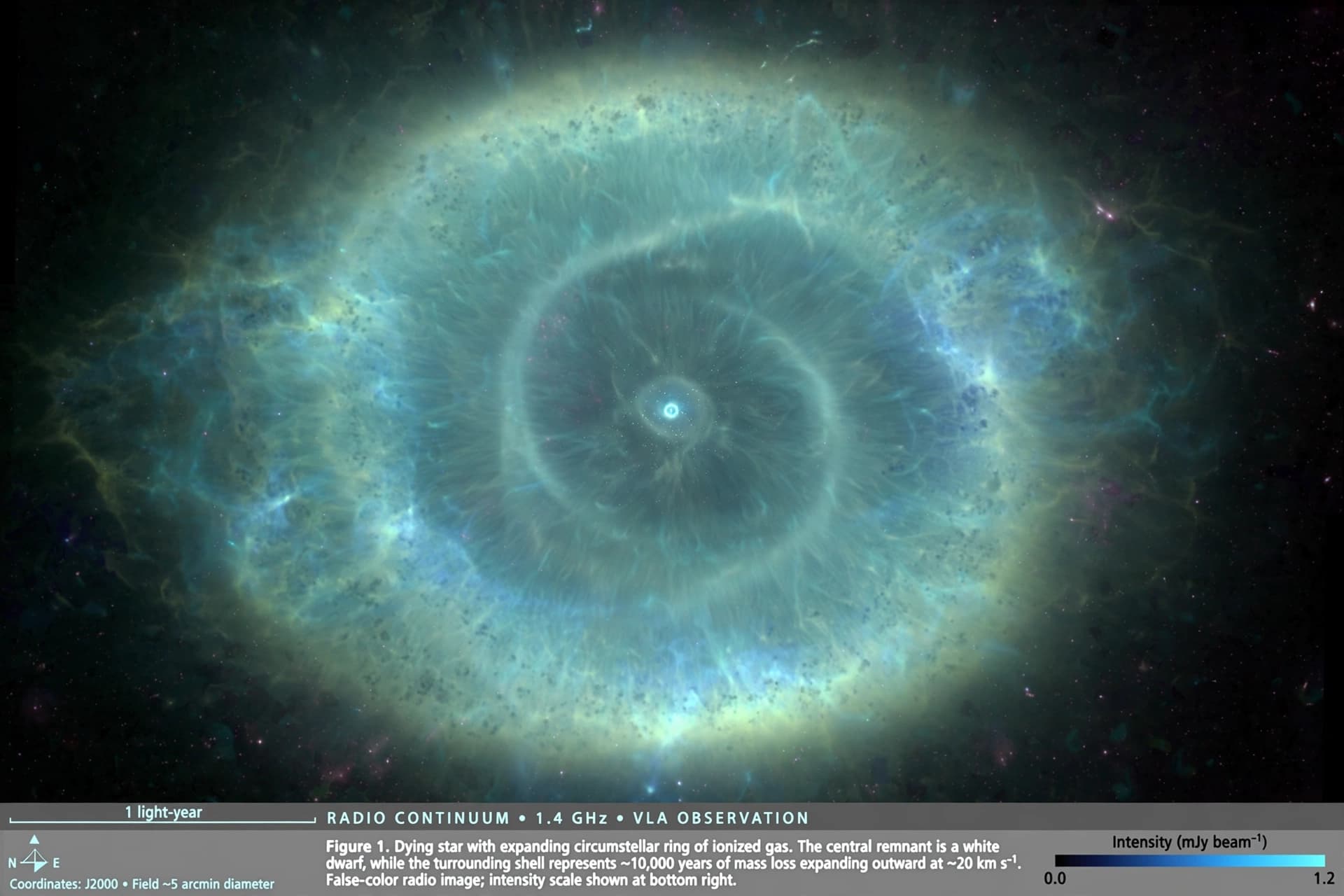
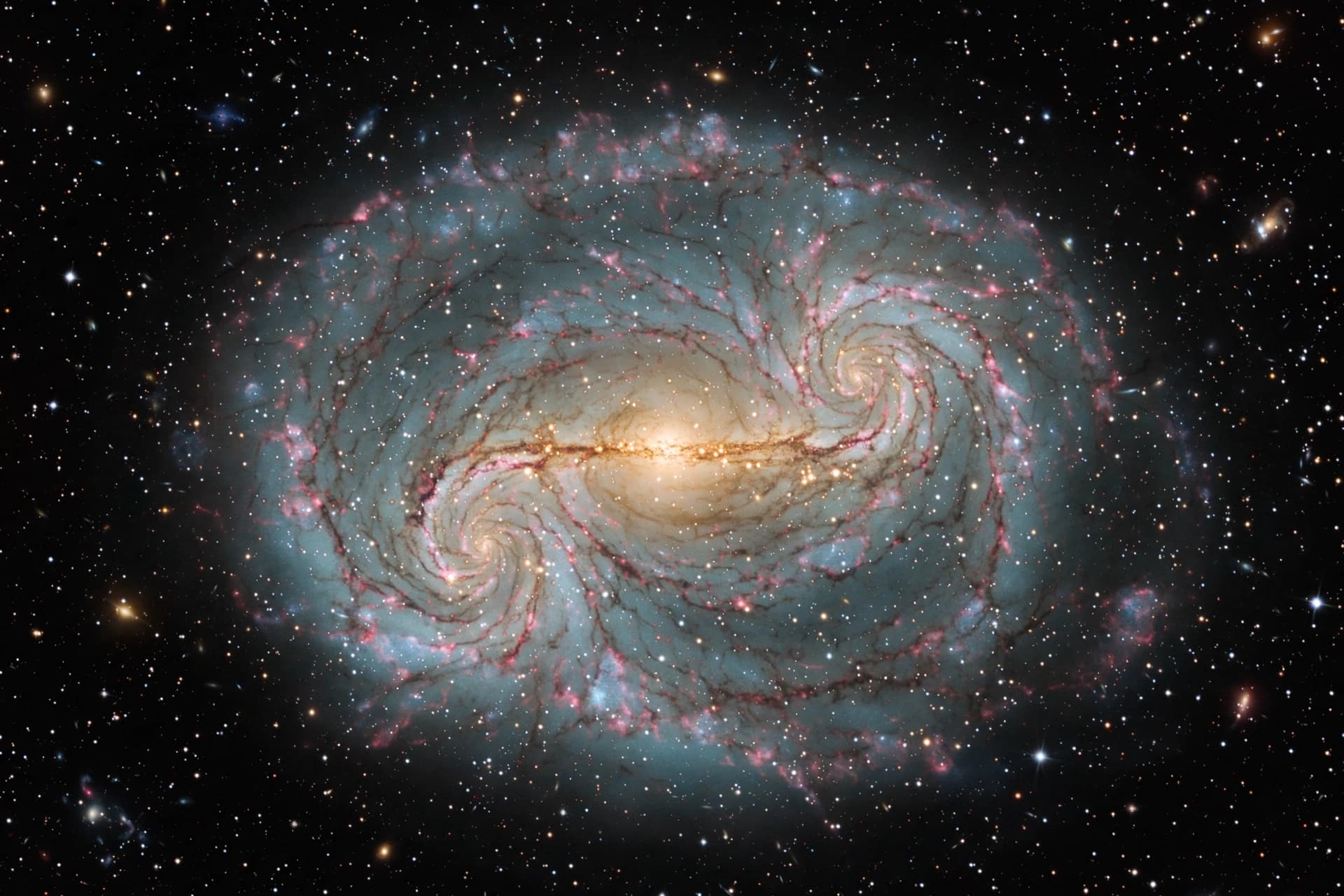
AI Image Disclaimer: Visuals accompanying this article are AI-generated illustrations designed to complement the narrative and do not depict real-time events.
Sources: ESO (European Southern Observatory) NASA Max Planck Institute for Extraterrestrial Physics Science Magazine Nature Astronomy
Published by Banx Network. This article is part of the Banx decentralized media programme, powered by the BXE token on the XRP Ledger.