There is a quiet accounting taking place in the boardrooms and the forests of our world, a new way of measuring the value of the very air we breathe. We have long understood the price of what we extract from the earth, but we are only now beginning to quantify the cost of what we leave behind. This is the birth of the carbon ledger, a system that attempts to translate the ethereal health of our planet into the solid language of the marketplace.
The movement of this green capital is like the migration of birds—largely unseen by the casual observer, yet vital to the balance of the entire ecosystem. It flows from the centers of industry to the sanctuaries of nature, providing the nourishment needed to protect the wild places that sustain us. There is a grace in this exchange, a recognition that the prosperity of our economy is inextricably linked to the vitality of the natural world.
We observe the emergence of a new kind of merchant, one who deals in the preservation of the sky and the restoration of the soil. Their work is a blend of rigorous science and creative finance, proving that the protection of the environment can be a source of strength rather than a burden. It is a shift in perspective that treats the atmosphere not as a bottomless reservoir, but as a finite and precious resource that must be managed with care.
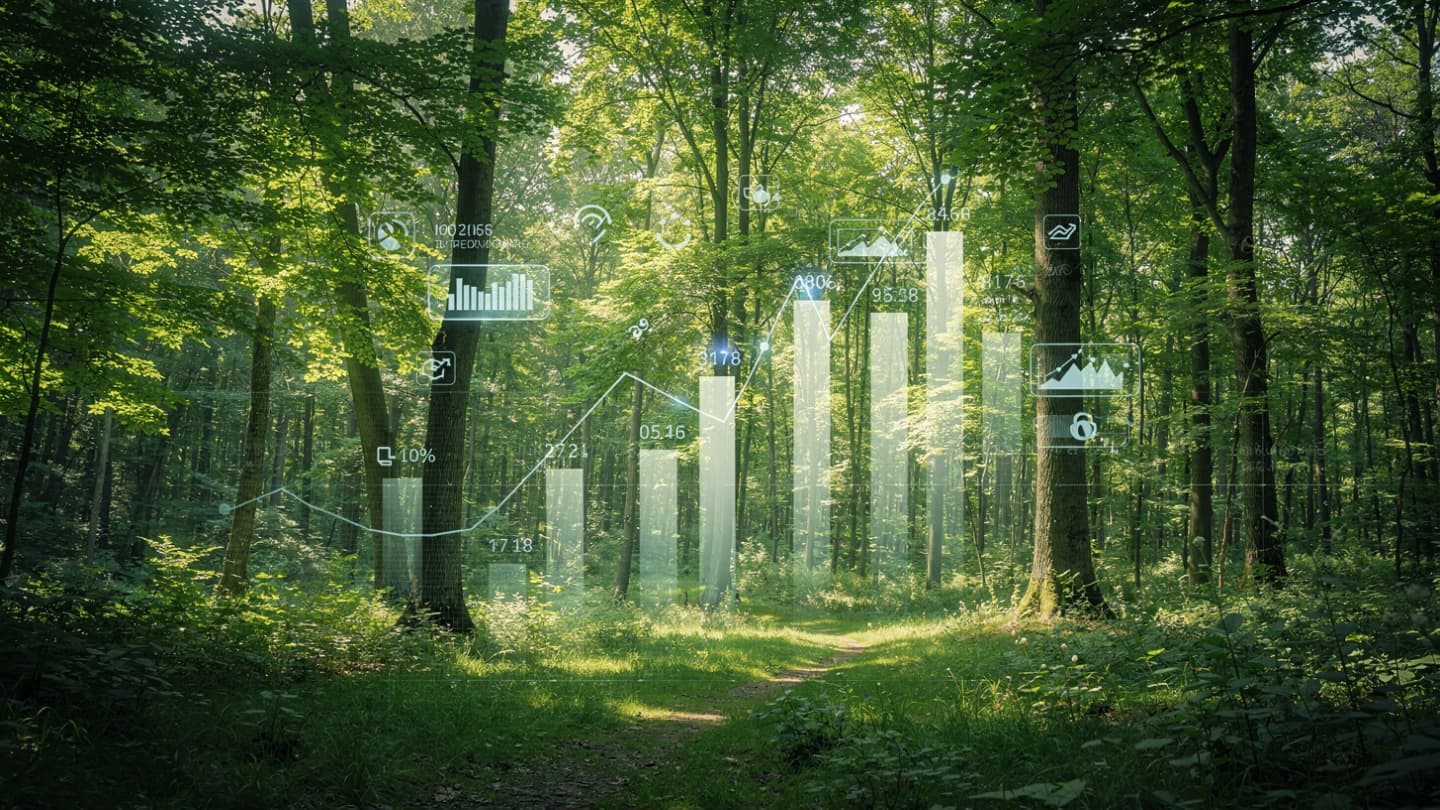
The infrastructure of this new market is built on data and trust, utilizing the precision of satellites and the transparency of the digital record to verify the breath of the trees. Every hectare of forest preserved and every ton of carbon avoided is meticulously documented, creating a currency of hope that is traded on the global stage. It is a testament to our ability to innovate our way out of the challenges we have created, using the tools of the market to heal the world.
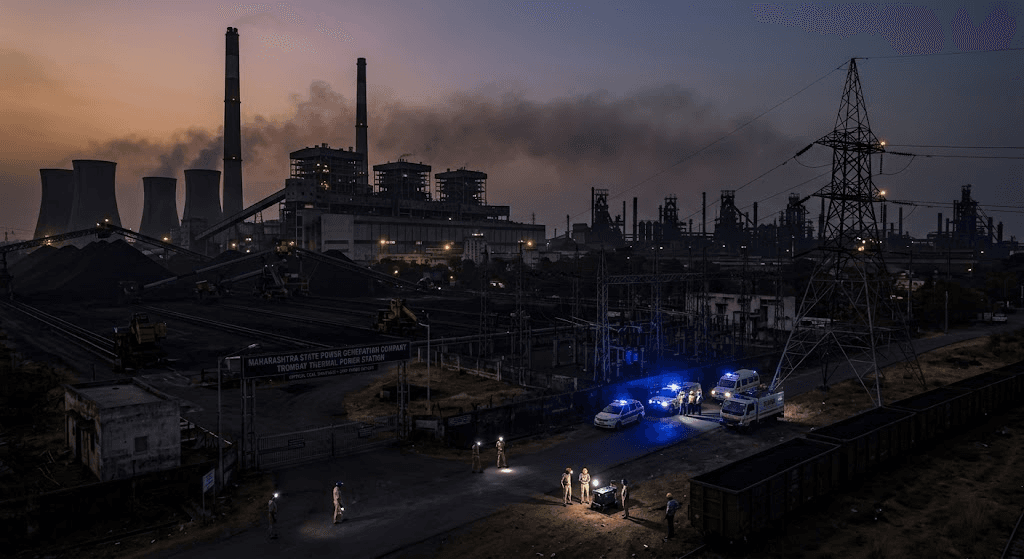
In the industrial districts, the pressure of this invisible ledger is driving a quiet transformation of the factory floor. Companies are racing to shed their carbon weight, investing in technologies that allow them to produce more with less. There is a pride in this efficiency, a new definition of excellence that values the lightness of one's footprint as much as the thickness of one's profit. It is a competition toward the bottom—toward zero—that ennobles the spirit of enterprise.
The relationship between the local farmer and the global investor is being rewritten through these green bonds and carbon credits. A patch of mangroves or a field of sustainable grain now holds a value that transcends the harvest, serving as a pillar of a new environmental economy. This connection provides a lifeline to rural communities, proving that the stewardship of the land is a profession of the highest order.
As we look out over a landscape that is increasingly defined by these green corridors and carbon sinks, there is a sense of a world in repair. The market is no longer a force of pure consumption, but a partner in the work of restoration. It is a slow and deliberate process, requiring a patience that matches the growth of an oak tree, yet the momentum feels as unstoppable as the turning of the tide.
In the late evening, when the offices go dark and the wind rustles through the protected groves, the reality of this new economy feels both revolutionary and deeply natural. We are learning to live within the limits of our home, using our ingenuity to create a system that honors the earth even as it drives our progress. The carbon ledger is more than just a financial tool; it is a promise that we are finally paying attention to the breath of the world.
The regional carbon trading platform has seen a record volume of transactions this quarter, driven by new corporate sustainability mandates and increased investor appetite for green assets. Prices for high-quality forest offsets have stabilized, providing a reliable revenue stream for large-scale reforestation projects. Financial institutions are increasingly integrating climate risk and carbon exposure into their core valuation models, signaling a long-term shift in the regional investment landscape.
Published by Banx Network. This article is part of the Banx decentralized media programme, powered by the BXE token on the XRP Ledger.