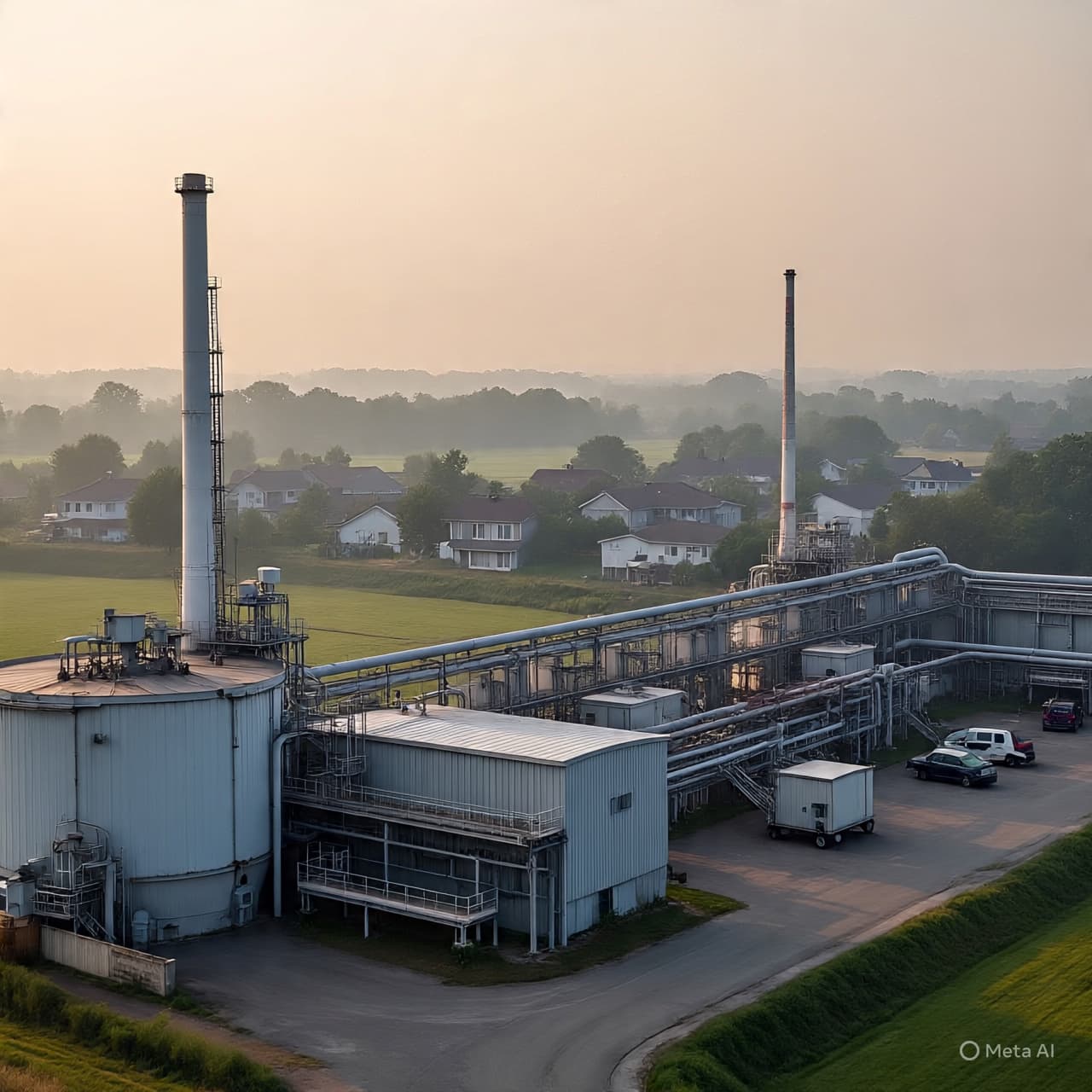
Opening There are moments when the invisible becomes unmistakable — not through sight, but through sense, memory, and shared discomfort. In Christchurch’s eastern suburbs, an odour that lingers like an unwelcome echo has become part of daily life for many residents. It seeps through open windows, wafts past afternoon walks, and settles into quiet rooms. This is not merely an inconvenience; it is a reminder that what is unseen can still shape our lived experience, and that the places we build are as fragile as the trust we place in them.
Body For months, the Bromley Wastewater Treatment Plant — a facility meant to quietly process what we no longer see — has been the subject of mounting concern. The plant, damaged by a fire in 2021, has been producing a persistent, putrid odour described by residents as “sewage-like,” drifting across eastern and central parts of Ōtautahi Christchurch, particularly since late January. Environment Canterbury, the regional environmental regulator, has recorded more than 4,500 complaints from the community reporting the offensive smell, a number that speaks not just to nuisance but to a widespread, ongoing disturbance.
In response, Environment Canterbury has taken a formal step rarely seen outside legal texts and council chambers: an abatement notice was issued to the Christchurch City Council. Under New Zealand’s Resource Management Act, this notice is a legally enforceable direction — a signal that something must stop, change, or be fixed. Issued on February 26, 2026, it tells the City Council that the current situation — where odour travels beyond the treatment plant’s boundary — is breaching conditions of the plant’s resource consent and must be addressed.
The notice requires the council to submit a detailed odour-mitigation plan by March 16, outlining both immediate and long-term measures to reduce the smell and offer relief to affected communities. An independent wastewater engineer will review the proposal to ensure it is technically sound. In the meantime, spikes in odour are expected to continue, often influenced by weather conditions such as wind direction and temperature shifts, which can carry the smell across different neighbourhoods at different times.
City Council officials acknowledge the seriousness of the notice, and say they are working closely with Environment Canterbury, sharing information and progress on efforts to curb the odour. They emphasize that addressing the smell remains a top priority. But residents’ patience is tested with each waft of stench that permeates streets and homes, and with each day that stretches toward mid-March without a clear relief in sight.
Underlying this community unrest are broader questions about how critical infrastructure, especially one as essential and ever-present as wastewater treatment, can become a source of persistent discomfort. The abatement notice, while a legal instrument, also symbolizes a larger call — for accountability, for technical precision, and for an environment where the air we share is not tinged with distress.
Closing As the countdown toward the mid-March deadline continues, Christchurch City Council and Environment Canterbury find themselves at a junction of regulation and expectation. Residents wait with a mix of hope and frustration, mindful that odour — though intangible — carries very real implications for quality of life. For now, the abatement notice stands not as a judgment, but as an invitation to action: a structured hope that in addressing what is offensive to the senses, trust may be restored, and the air can once again feel like home.
AI Image Disclaimer “Visuals are created with AI tools and are not real photographs.”
Sources 1News RNZ News Environment Canterbury (Council Release) Helm News
Published by Banx Network. This article is part of the Banx decentralized media programme, powered by the BXE token on the XRP Ledger.