Astronomy has always depended on collaboration. No single observatory can fully map the universe alone, and many of humanity’s greatest discoveries have emerged through international partnerships stretching across continents and decades.
Australian astronomers are expressing concern following the country’s withdrawal from a major international telescope partnership, warning that the decision could weaken future research opportunities.
Scientists say participation in global observatory networks provides access not only to powerful instruments, but also to collaborative expertise, shared data systems, and international scientific influence.
Modern astronomy increasingly relies on multinational coordination. Large-scale observatories often require billions of dollars in investment and involve researchers from dozens of countries working together on long-term projects.
Australian universities and research institutions have historically maintained strong reputations in astrophysics and space science. Researchers fear that reduced access to international infrastructure could affect both scientific output and talent retention.
Government representatives argue that national priorities and budget considerations influenced the decision. Officials say Australia will continue supporting domestic astronomy initiatives and alternative international collaborations.
Astronomers caution, however, that scientific capability is often cumulative. Once partnerships are lost, rebuilding equivalent access and influence may take years or even decades.
The discussion reflects broader global competition within space science, where countries increasingly view advanced research programs as drivers of innovation, education, and international prestige.
For many scientists, the concern extends beyond astronomy itself. It touches on a larger question facing research communities worldwide: how nations balance immediate financial realities against the long horizon of scientific discovery.
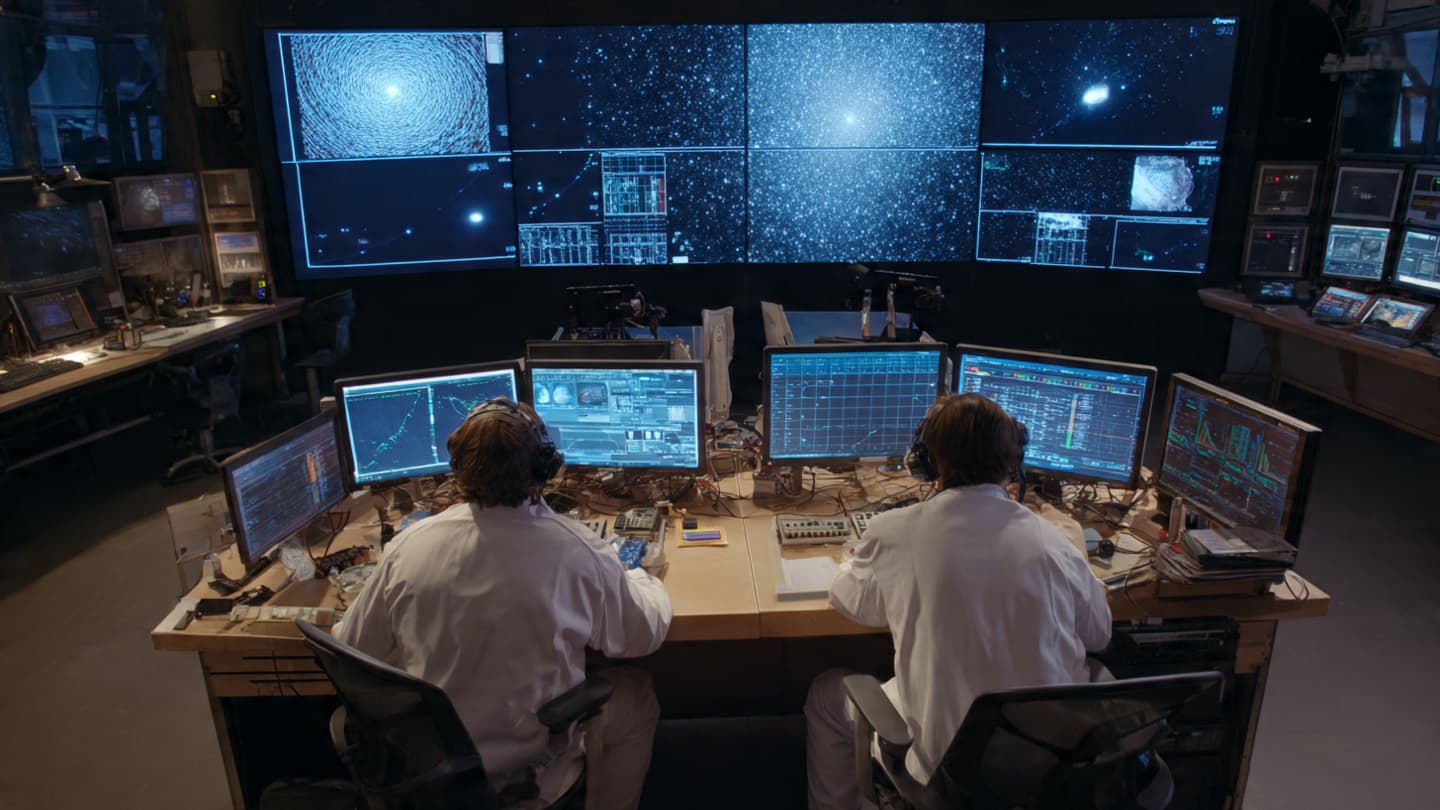
AI Image Disclaimer: The visual illustrations in this article were AI-generated to represent astronomical research and observatory environments.
Sources Verified: ABC News Australia, ESO, Reuters, Nature Astronomy
Published by Banx Network. This article is part of the Banx decentralized media programme, powered by the BXE token on the XRP Ledger.