Spaceflight was once a rare achievement, marked by monumental effort and national pride, each launch echoing like a distant bell across history. Today, that echo has become more frequent—so common that it sometimes fades into the background of modern technological life.
In recent years, industry observers have noted an extraordinary rise in launch cadence led by private aerospace companies, most prominently SpaceX. According to widely cited industry analyses and launch records, the number of orbital launches conducted by SpaceX in the last several years has surpassed historical benchmarks set during earlier eras of space competition, including the Soviet Space Race period.
This increase is not only about frequency but also about reusability. The development of reusable rocket stages has significantly reduced production and launch costs, allowing hardware to be flown multiple times rather than discarded after a single use. This shift has altered the traditional economics of space access.
Estimates from space industry analysts suggest that the cost per kilogram to reach low Earth orbit has declined dramatically since the early 2010s, driven by engineering efficiency, manufacturing scale, and reusable booster technology. While exact figures vary across missions and payload types, the downward trend is widely acknowledged in aerospace literature and reports referenced by NASA and ESA-related studies.
This cost reduction has had cascading effects. Satellite deployment has expanded rapidly, enabling large constellations for communications, Earth observation, and scientific monitoring. Companies that once required government-scale budgets can now access orbit through commercial providers.
At the same time, national space agencies have adapted their strategies. Rather than serving as sole launch providers, many now function as mission planners, research coordinators, and partners in multi-sector projects. This reflects a broader shift in how space infrastructure is built and maintained.
Critics and analysts alike note that while access has become cheaper, orbital traffic management and space debris concerns have grown more complex. The increasing number of objects in low Earth orbit has prompted ongoing discussions about sustainability and regulation.
What emerges is not simply a story of rockets, but of a changing economic framework above Earth—one where access to orbit is no longer exceptional, but increasingly routine and commercially integrated.
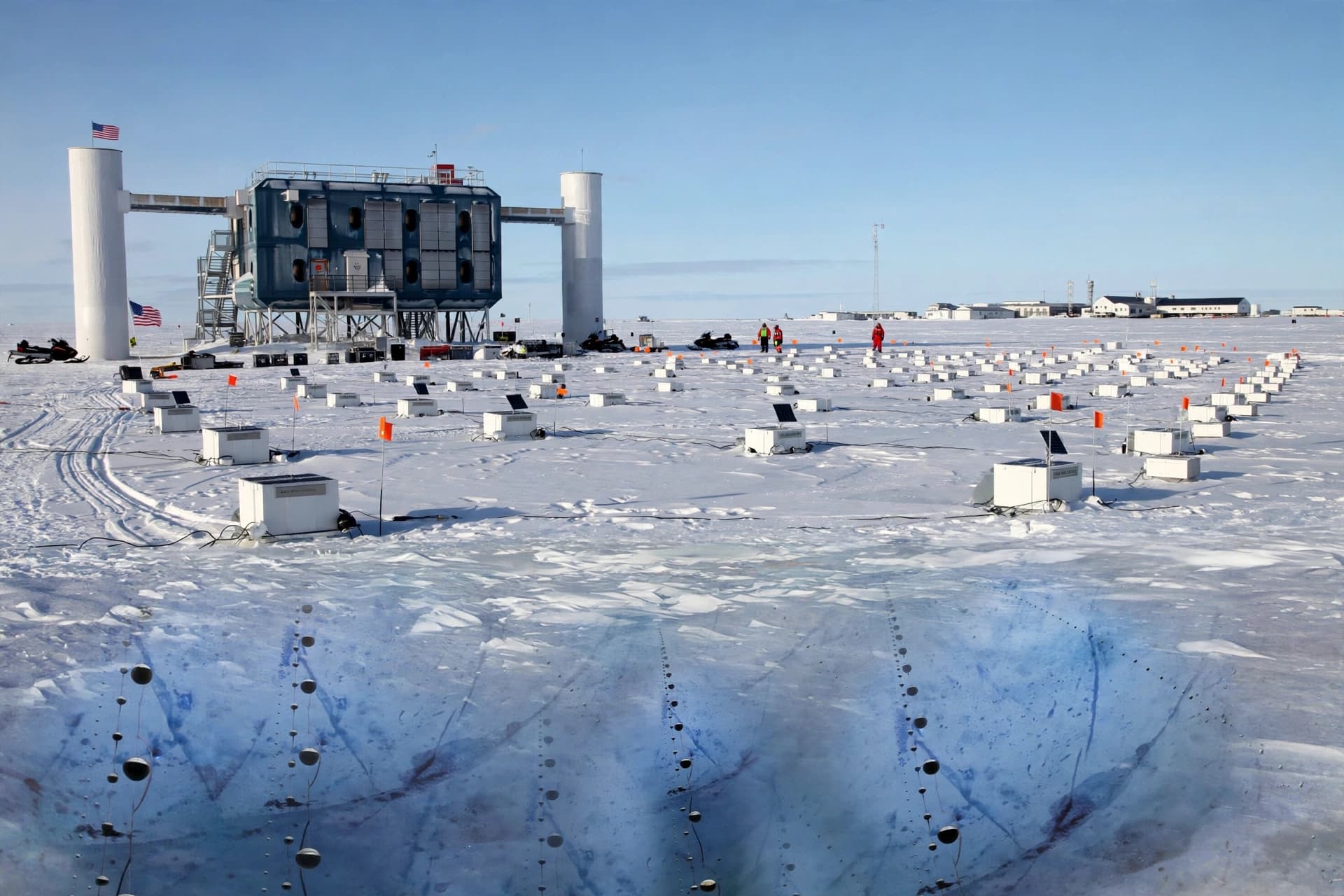
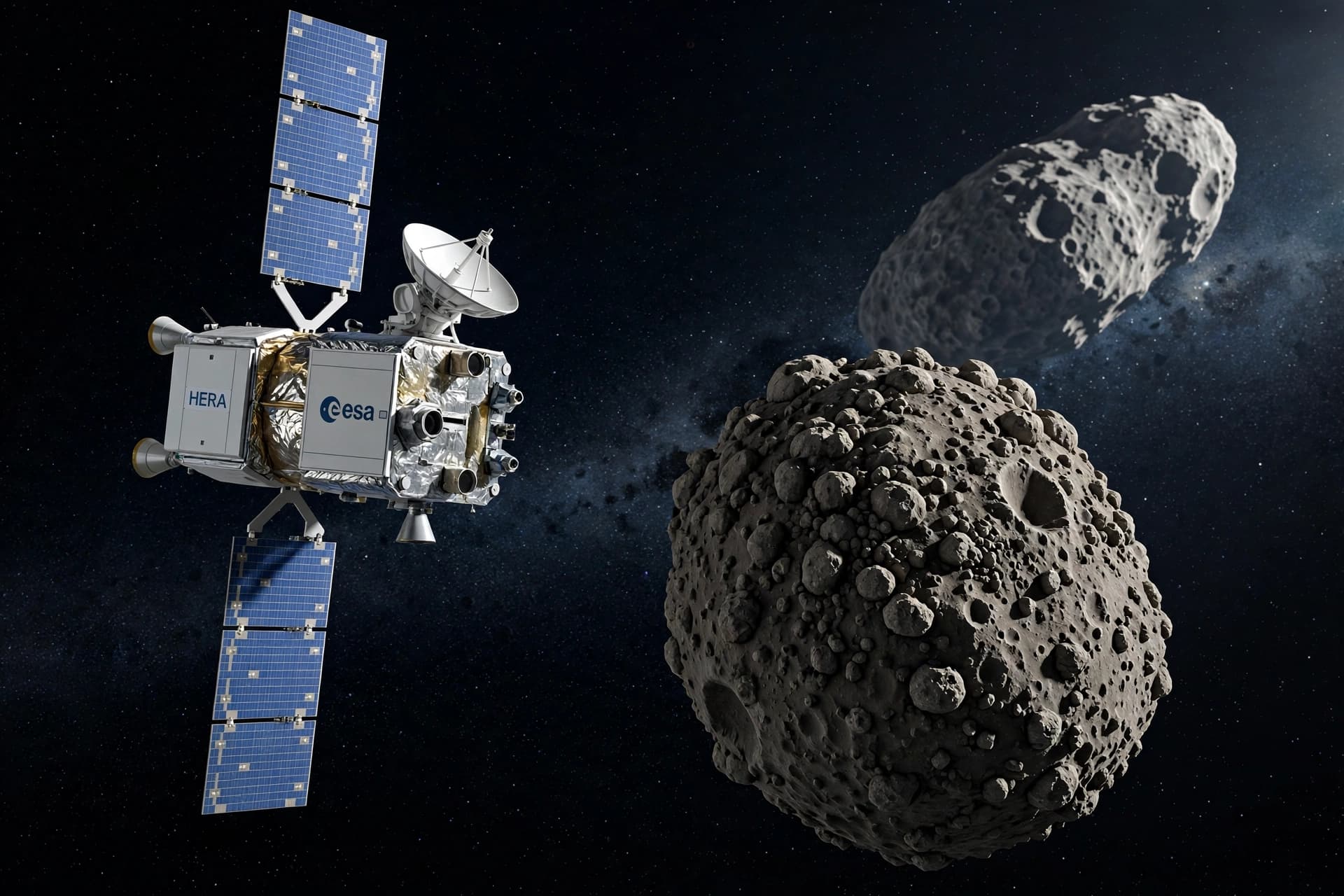
AI Image Disclaimer: Images in this article are AI-generated and intended solely for editorial illustration purposes.
Sources: SpaceX, NASA, European Space Agency (ESA), Reuters, Ars Technica
Published by Banx Network. This article is part of the Banx decentralized media programme, powered by the BXE token on the XRP Ledger.