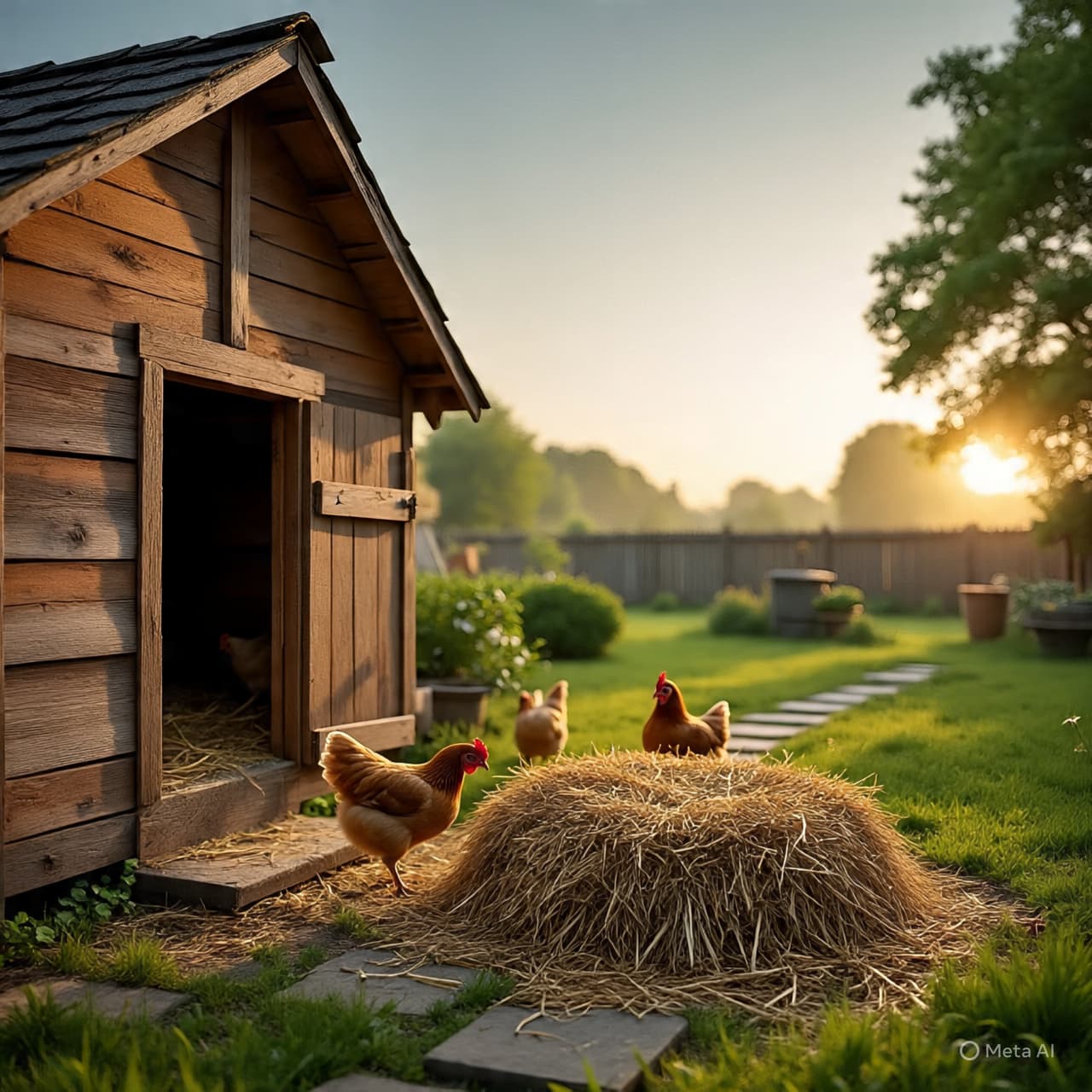
On a quiet stretch of rural roads, where coop roofs catch the first tendrils of dawn and barnyard dust drifts like mist in the morning light, a small backyard flock became the unexpected center of a larger story. In Franklin County, where the rhythm of life often sways with the seasons, these humble birds unwittingly joined a much broader narrative one that has threaded its way across fields and wetlands, whispered through flocks of wild waterfowl, and touched the lives of farmers and hobbyists alike.
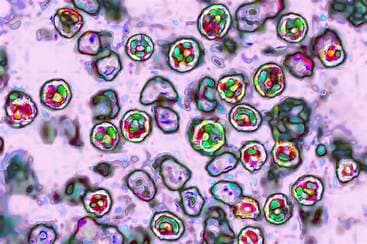
In early January, the North Carolina Department of Agriculture confirmed that a backyard flock in Franklin County tested positive for Highly Pathogenic Avian Influenza (HPAI), marking the first confirmed case in the county and the ninth in the state since October. The disease, known colloquially as bird flu, has been circulating among wild birds for some time, often moving silently with migratory wings across vast landscapes. Although this strain is considered low risk to people by the U.S. Centers for Disease Control, it remains highly contagious among birds from the backyard coop to commercial operations.
For the flock’s owner, the discovery was a reminder of how closely human care and nature’s unseen currents intertwine. Each feathered companion, once merely a part of the everyday backdrop, now became a symbol of vigilance. State veterinarians gently urged all bird owners commercial and hobbyist alike to maintain strict biosecurity measures and to report any unusual sickness or mortality in their flocks.
Across the state, officials reiterated that infected birds are not entering the food supply and that proper precautions help protect both animal and public health. This reassurance, while practical, also resonates on a deeper level: a subtle echo of how interconnected we are with the rhythms of animal and environmental health.
In this unfolding chapter of avian influenza’s presence in North Carolina, the lesson is one of watchfulness and community. Backyard coops, often symbols of pastoral peace, can be gateways to broader conversations about preparedness and shared responsibility. As winter slowly loosens its chill on the landscape, the story of this Franklin County flock reminds us that even in quiet places, our bonds to the natural world run deep and what affects one may quietly ripple to many.
AI Image Disclaimer Visuals are created with AI tools and are not real photographs; they are intended to illustrate concepts described in the article.
Source Check (5 media names):
WRAL (local news, Raleigh) WTVD / ABC11 Raleigh-Durham Morning Ag Clips NC Department of Agriculture press release (reported across media) Southern Farm Network
Published by Banx Network. This article is part of the Banx decentralized media programme, powered by the BXE token on the XRP Ledger.