# The Silent Revolution of Solid-State Drives
For decades, the computing world moved to the measured rhythm of spinning platters and whirring motors. The hard drive’s mechanical heartbeat defined patience: boot screens, loading bars, and the small rituals of waiting while machines warmed into life. Then a quieter force arrived and, with little fanfare, rewrote that tempo. Solid-state drives did not simply improve storage; they changed what we expect from our devices.
Early SSDs felt like luxuries—expensive, compact, and prized by enthusiasts. They offered an obvious advantage: no moving parts. That absence translated into speed, resilience, and silence. Where a hard drive needed time to locate data on spinning disks, flash memory could fetch information instantly. The practical gains were immediate and profound. Systems booted in seconds, large projects loaded without pause, and the simple act of opening a file no longer cost precious minutes.
Adoption did not happen overnight. Engineers and manufacturers worried about cost, capacity, and the durability of flash memory. Enthusiasts adopted first—creatives editing massive media files, gamers chasing lower load times, and IT teams craving throughput for demanding servers. As fabrication scaled and prices fell, SSDs moved from niche to mainstream, enabling thinner laptops, longer battery life, and quieter workspaces. What had once been a premium choice became the baseline expectation.
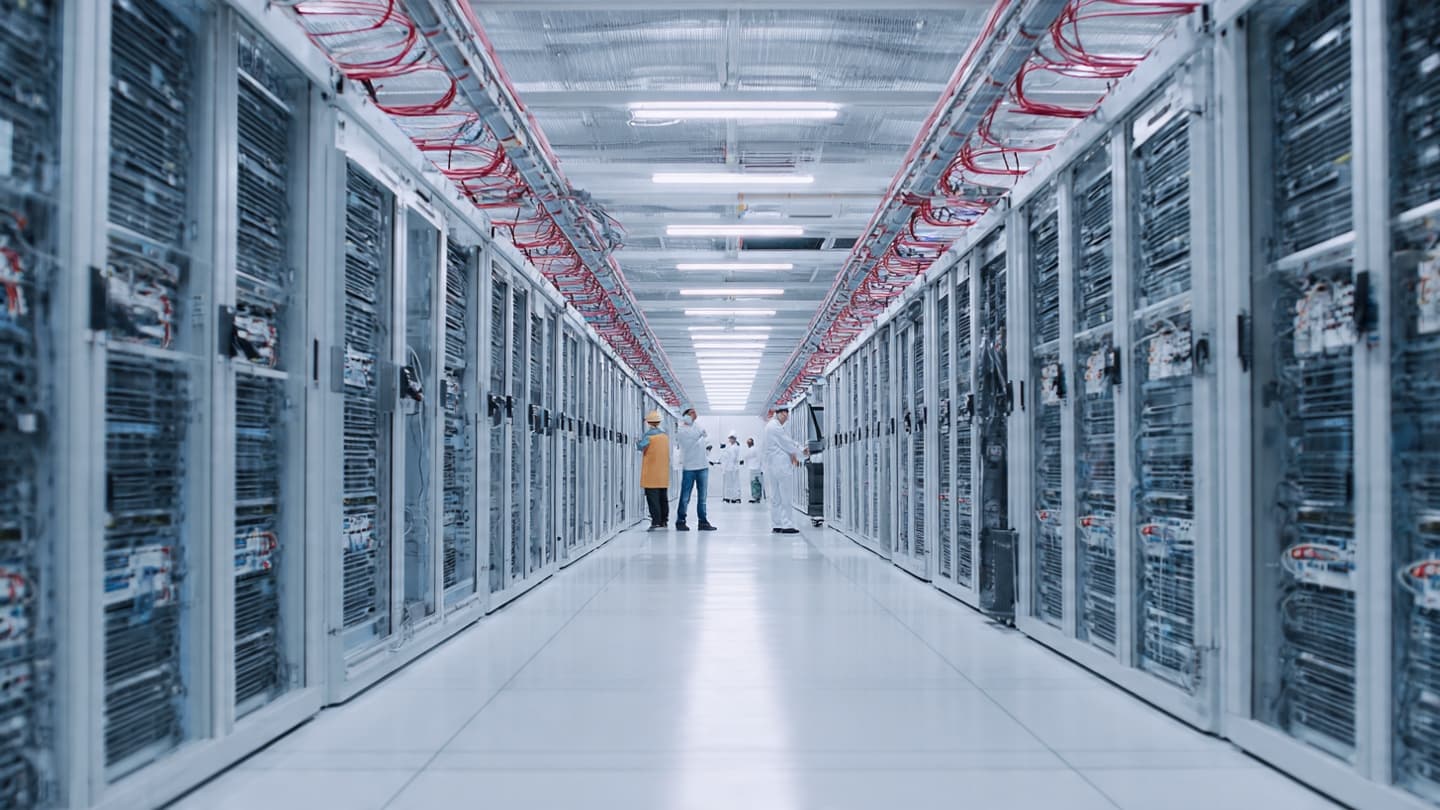
Beyond the personal convenience, SSDs shifted entire industries. Data centers rethought architecture around faster storage tiers, reducing latency and energy draw. Software changed its habits: applications presumed immediacy, designers could experiment without fearing slow I/O bottlenecks, and cloud providers found new ways to deliver responsive services. The ripple effects touched everything from finance—where milliseconds matter—to medicine, where rapid access to large datasets can improve diagnoses.
But the story isn’t purely triumphalist. SSDs brought new trade-offs. Flash memory wears over time; not all drives are created equal, and performance can vary widely depending on controller design, NAND type, and firmware. The market matured into a landscape of promises and specifications, where consumers must read beyond marketing to find durable, honest products. Still, the broad arc favors progress: each generation improves endurance, density, and energy efficiency.
The real revolution of SSDs is cultural as much as technical. They helped erase a certain tolerance for delay and forced software and hardware to catch up to human expectation. Waiting had been a default setting of digital life; SSDs reset that baseline. In doing so, they made computing feel less like a mechanical chore and more like an intuitive extension of thought—fast enough to keep pace with the mind that commands it.
In the quiet of modern workspaces, where devices boot instantly and silence has replaced the old hum, the solid-state drive’s revolution is easy to overlook. Yet its effect is everywhere: in the speed of a morning workflow, the responsiveness of a game, and the efficiency of a server rack. It is a reminder that sometimes the most consequential changes arrive not with spectacle but with simple, relentless refinement.
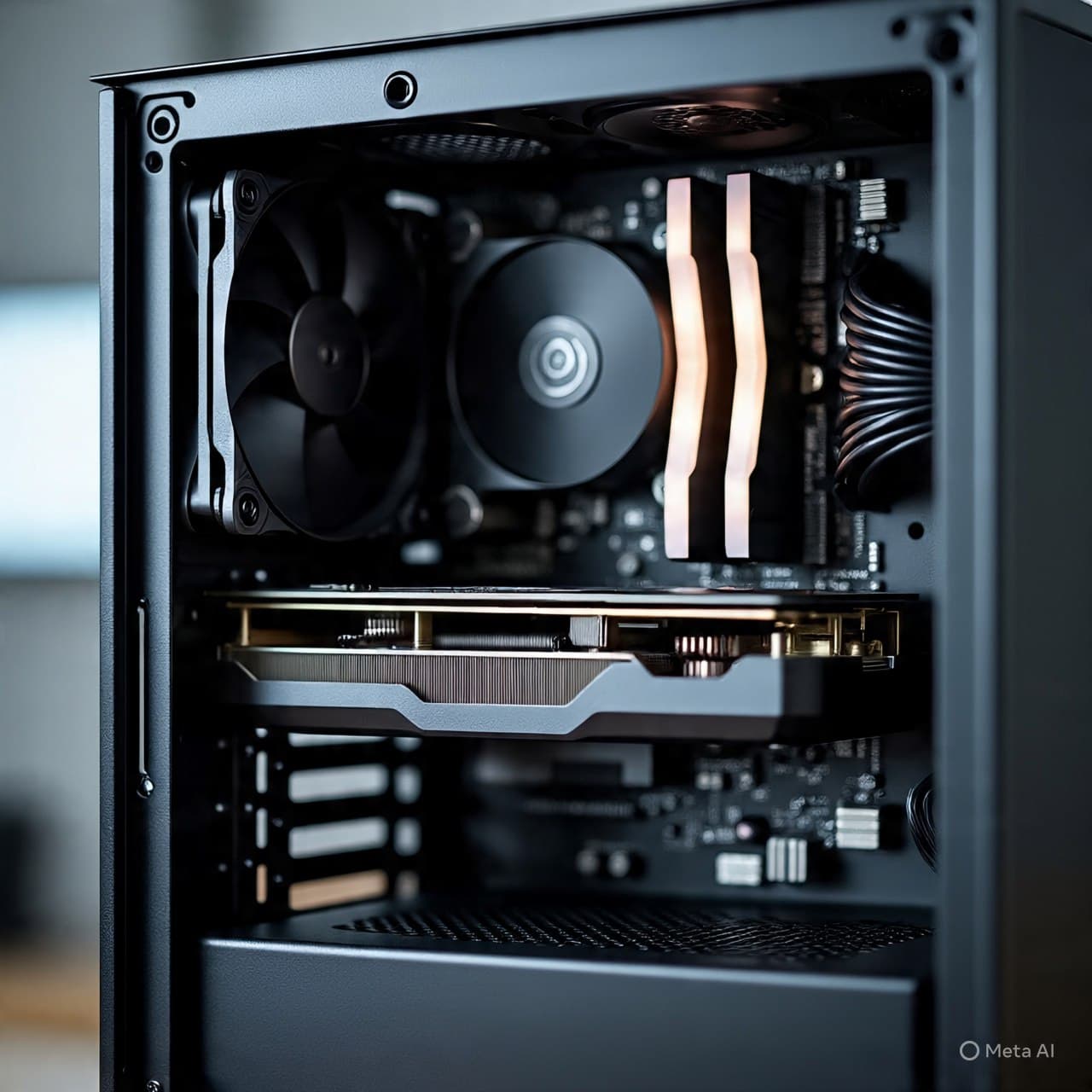
Disclaimer : featured images are created by Meta AI, they may contain errors and not match the original version.
Published by Banx Network. This article is part of the Banx decentralized media programme, powered by the BXE token on the XRP Ledger.