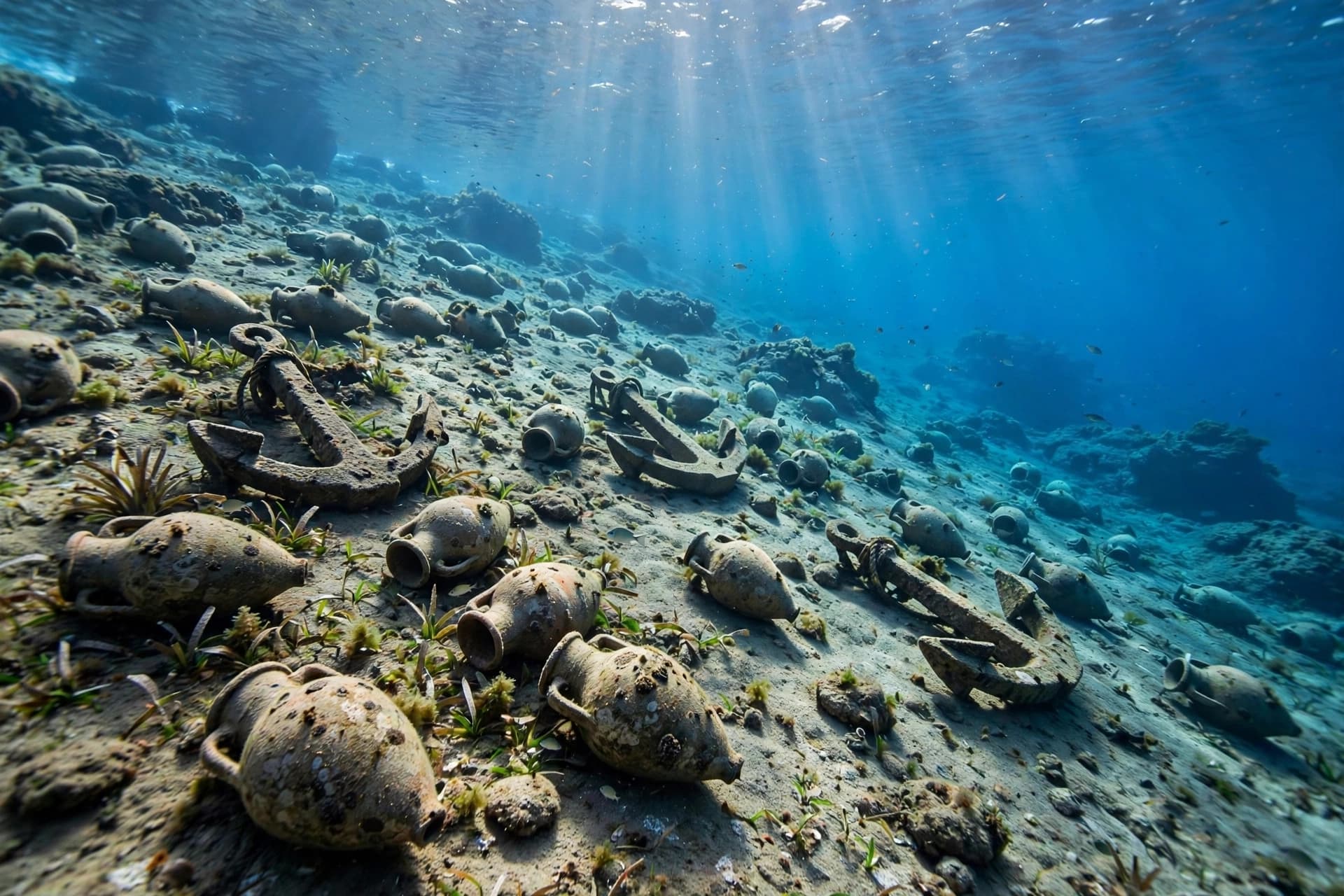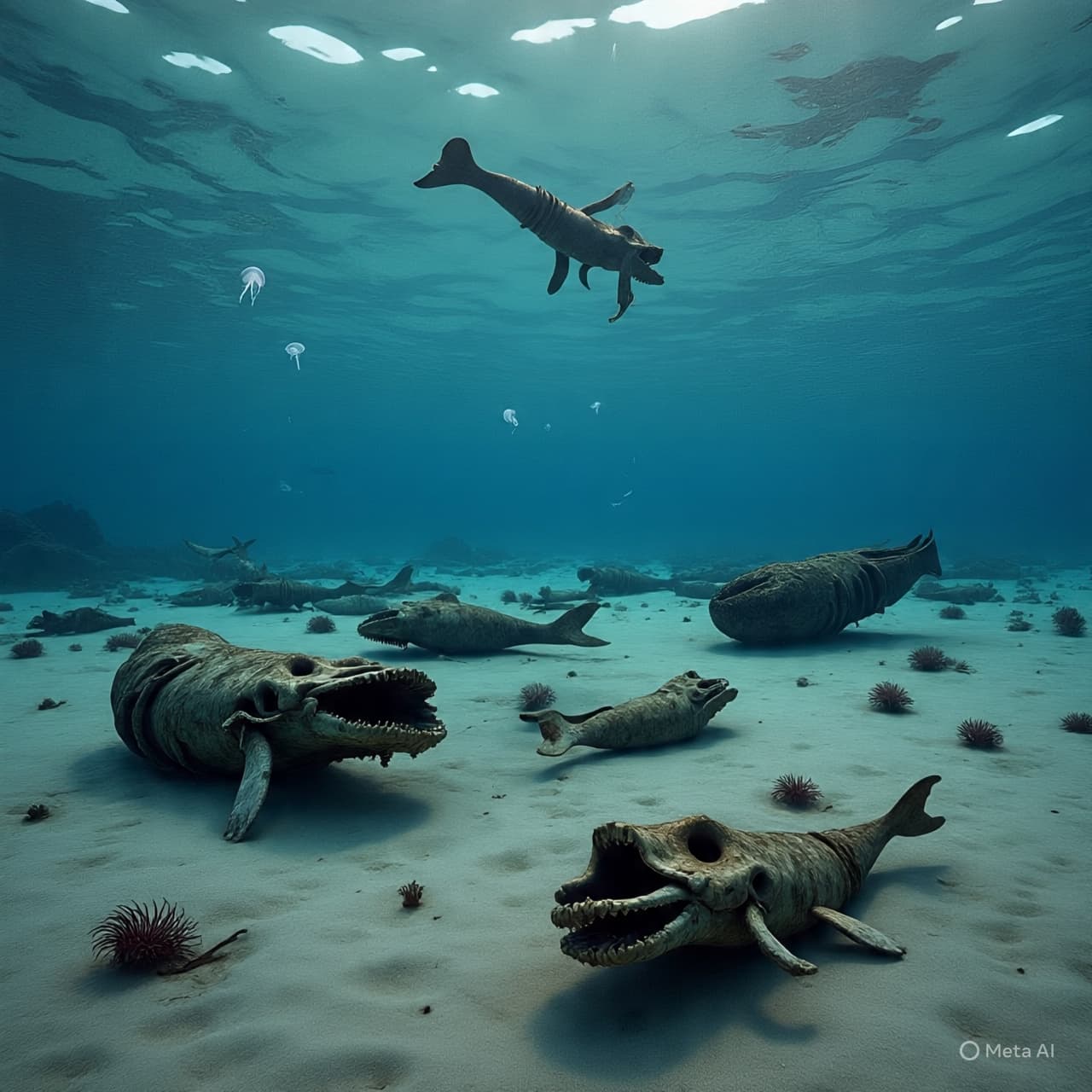
In the quiet abyss of the deep sea, where sunlight never reaches and pressure molds the world into strange geometries, a small marvel has disappeared. Known colloquially as “zombie worms,” these scavengers of the ocean floor once feasted on the bones of the dead, silently recycling what life leaves behind. Scientists, monitoring the seafloor over decades, are now faced with an unsettling mystery: the worms have vanished.
It is a disappearance as silent as the waters they inhabit. These creatures, so specialized and resilient, once thrived in a dark ecosystem where few others could survive. Their absence prompts reflection on the fragility of even the most hidden forms of life, on the unseen threads that connect species, and on the subtle shifts in ocean chemistry and temperature that might ripple through the abyss unnoticed.
Researchers speculate on possible causes—rising ocean temperatures, shifts in food availability, or human-induced disturbances—but certainty eludes them. In laboratories and aboard research vessels, scientists watch and wait, aware that understanding the vanishing of the zombie worms may reveal broader truths about resilience, vulnerability, and the unseen consequences of change in Earth’s most remote places.
The ocean, vast and unyielding, continues its slow, mysterious rhythms. Yet the story of the zombie worms, now absent, reminds us that even the deep, silent corners of our planet are subject to forces both natural and human, and that the smallest creatures can leave the largest echoes when they disappear.
AI Image Disclaimer Visuals are AI-generated and serve as conceptual representations.
Sources Nature National Geographic Science Daily BBC Science Live Science
Published by Banx Network. This article is part of the Banx decentralized media programme, powered by the BXE token on the XRP Ledger.