There are moments in history when diplomacy does not arrive with ceremony, but rather slips quietly through the cracks of conflict—like a letter carried across a storm. It is neither fully trusted nor entirely dismissed, hovering somewhere between hope and hesitation. Today, such a moment seems to be unfolding, as whispers of a “15-point proposal” move between capitals, carried not directly, but through intermediaries.
In the midst of escalating tensions and ongoing military exchanges, the administration of Donald Trump has advanced a structured peace proposal to Iran—reportedly a 15-point framework addressing nuclear limits, missile programs, and regional influence. Yet the proposal itself feels less like a finished bridge and more like a blueprint still under negotiation, its lines firm in some places and blurred in others.
What makes this moment particularly delicate is not only the content of the proposal, but the path it travels. Pakistan has emerged as a potential conduit, offering itself as a venue for dialogue, alongside other regional actors such as Turkey. This indirect approach reflects both necessity and caution—an acknowledgment that direct trust between Washington and Tehran remains fragile, if not fractured.
The proposal, as described in multiple reports, revisits familiar terrain. It calls for restrictions on Iran’s nuclear program, limits on missile capabilities, and curbs on regional proxy activities. In exchange, discussions of sanctions relief and economic concessions are implied, though far from settled. Yet familiarity, in diplomacy, can be both a strength and a weakness. What has been proposed before carries the weight of past breakdowns.
Iran’s response, for now, appears cautious and skeptical. Publicly, Tehran denies active negotiations, and officials have expressed doubt about the intentions behind the proposal—suggesting it may be as much about signaling as substance. Such skepticism is not unexpected; trust, once strained, rarely returns quickly.
Meanwhile, the broader landscape remains unsettled. Military actions have not paused to accommodate diplomacy. Strikes and counterstrikes continue, and strategic waterways like the Strait of Hormuz remain under heightened tension. In this environment, any proposal—no matter how detailed—must compete with the immediacy of conflict itself.
And yet, there is a quiet persistence in these efforts. The involvement of intermediaries such as Pakistan suggests a recognition that even indirect dialogue is preferable to silence. It reflects a broader understanding among regional and global actors that escalation carries consequences far beyond borders.
Whether this 15-point framework becomes a foundation for peace or another document archived in the long history of unrealized agreements remains uncertain. For now, it exists in a space between intention and outcome—a proposal moving through channels, gathering reactions, and testing the willingness of adversaries to imagine a different path.
In the end, diplomacy often begins not with agreement, but with the simple act of continuing to speak—even when certainty is absent.
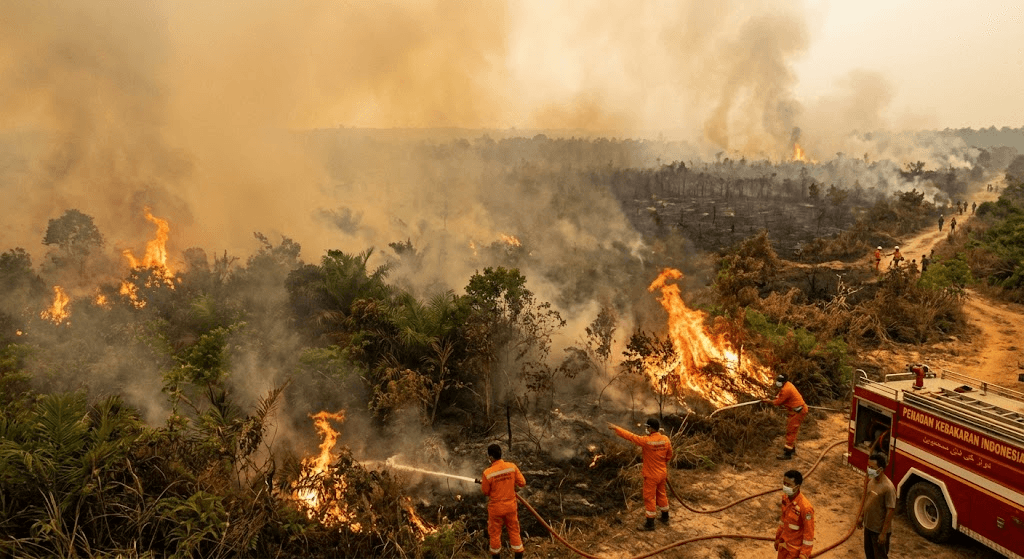
AI Image Disclaimer Visuals are created with AI tools and are not real photographs.
Source Check Credible coverage of this development exists. Key outlets reporting on it include:
Reuters The Guardian New York Post Pakistan Today The Diplomat
Published by Banx Network. This article is part of the Banx decentralized media programme, powered by the BXE token on the XRP Ledger.