The rhythm of life in Los Angeles has always been defined by the movement of the car, a steady flow of light and steel across the vast, sun-drenched basin. But recently, that flow has met with a new kind of friction—a sharp, sudden rise in the cost of the very fuel that sustains it. As gas prices spike across the city, the ripples of tensions in distant, desert lands are felt at the local pump, creating a moment of quiet, collective reflection on our vulnerability to the winds of the world.
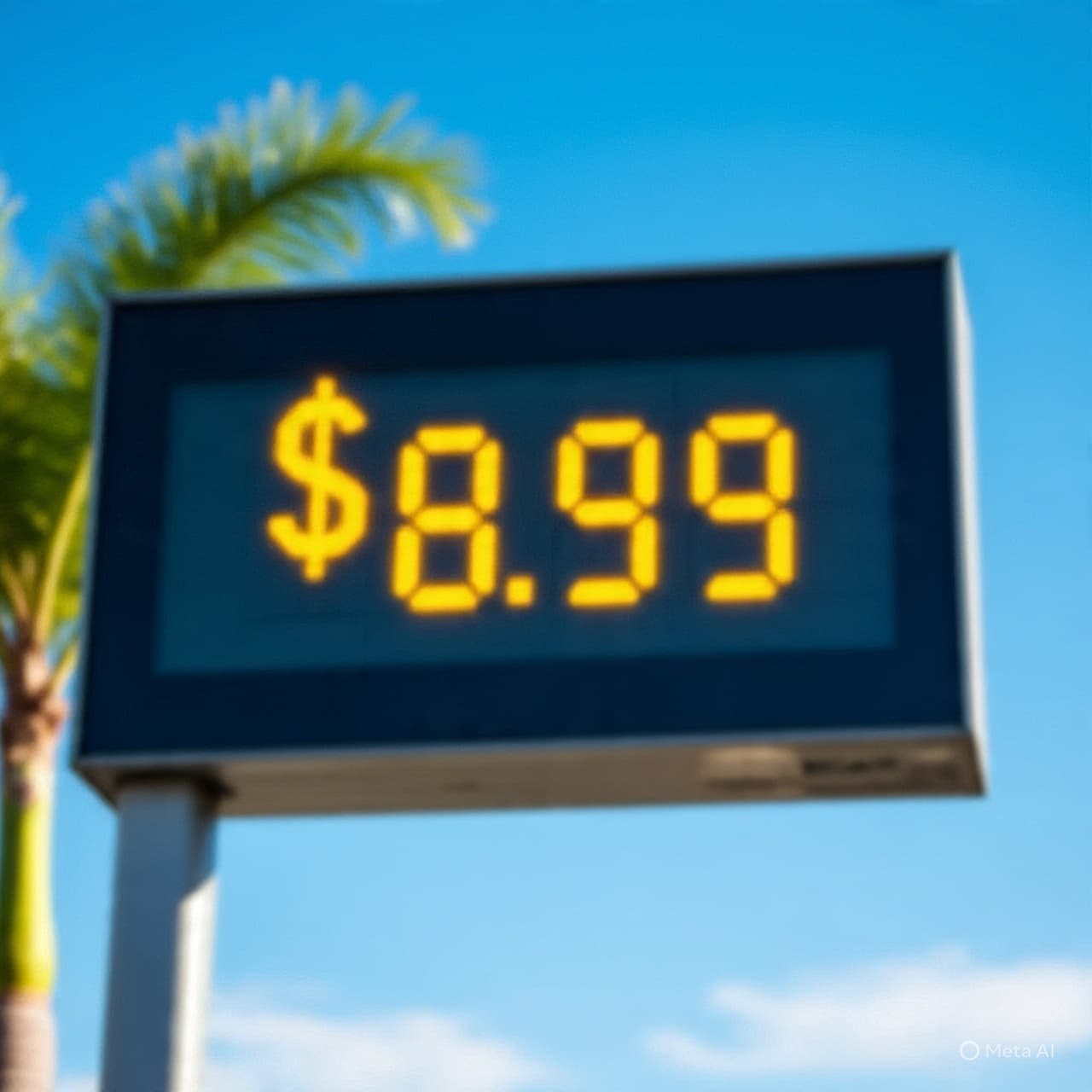
To observe the surge in fuel costs is to witness the fragile connection between the California coast and the geopolitics of the Middle East. There is a sharp, atmospheric tension in the sight of the glowing numbers on the station signs, each increment representing a new weight on the family budget. It is a narrative of interdependence, where the stability of the local road is inextricably linked to the peace of a distant shore.
In the long lines at the stations and the quiet conversations of the commuters, the atmosphere is one of focused endurance. The price hike is seen not just as a financial challenge, but as a reminder of the immense energy required to maintain the American way of life. There is a literary quality to this struggle—a story of a people navigating a world where the old certainties of cheap and abundant fuel are increasingly under pressure.
To look at the crowded freeways is to see a landscape that is both beautiful and precarious. The reliance on the internal combustion engine has created a city of unparalleled mobility, yet it has also created a dependency that can be exploited by the whims of global events. This is the weight of the energy transition—a transition that is being forced by the harsh realities of the market as much as the noble goals of the environment.
There is a certain poetry in the irony of the sun-drenched city struggling for the power to move. The movement toward electric vehicles and public transit is a search for a more self-reliant and harmonious way to inhabit the basin. It is about ensuring that the freedom of the road is not held hostage by the conflicts of the past, but is secured by the innovations of the future.
Imagine the city as a living organism that must suddenly adapt to a change in its diet. The high cost of fuel is a signal to find a more efficient and sustainable way to nourish our need for motion. It is a journey toward a more resilient urban environment, where the ability to travel from the valley to the sea is not determined by the price of a barrel of oil in a far-off port.
As the prices continue to fluctuate, the significance of the moment is felt by every driver who pauses at the pump. It is a call for a more human-centered approach to infrastructure, one that prioritizes the stability and the well-being of the citizen over the profits of the energy giants. This is the work of a society that values the steady, predictable path of independence in an era of global volatility.
In the end, the road will continue to call, but the way we answer that call is changing. By acknowledging the true cost of our energy, we are taking the first step toward a more balanced and secure future. The goal is a horizon where the journey is defined by the destination, not the difficulty of reaching it.
Gasoline prices in Los Angeles have surged to an average of $5.45 per gallon this week, marking the highest level in eighteen months. Energy analysts attribute the spike to supply chain disruptions and heightened military tensions in the Middle East, which have impacted global crude oil markets. Local authorities are monitoring the situation for potential price gouging as residents adjust their travel habits to mitigate the rising costs.
Published by Banx Network. This article is part of the Banx decentralized media programme, powered by the BXE token on the XRP Ledger.