Many diseases reveal themselves gradually, leaving subtle traces long before more visible symptoms emerge. Parkinson’s disease is one such condition, often developing quietly over many years. Researchers around the world are now exploring new technologies that may help identify those early signals sooner than ever before.
Body:
Recent advances in diagnostic science have produced a variety of experimental tools designed to improve early Parkinson’s detection. These innovations range from smart writing instruments to laboratory analyses capable of identifying biological markers associated with the disease.
Parkinson’s disease affects the nervous system and is commonly associated with tremors, movement difficulties, and changes in balance. However, symptoms may not become noticeable until significant neurological changes have already occurred.
Scientists believe earlier diagnosis could allow patients to access treatment and support sooner. While current therapies do not cure Parkinson’s, timely intervention may help manage symptoms and improve quality of life.
One area of research involves smart devices capable of analyzing subtle changes in handwriting and motor control. Because Parkinson’s can influence fine movements, these tools may help identify patterns that are difficult to detect through routine observation alone.
Other studies are examining biological samples, including skin, saliva, and earwax, in search of chemical signatures linked to neurological changes. Researchers hope these methods could eventually support non-invasive screening approaches.
Advances in artificial intelligence are also contributing to the field. Machine-learning systems can analyze large datasets, helping scientists identify patterns that may indicate early disease progression.
Medical experts caution that many of these technologies remain under evaluation. Clinical validation and long-term testing are essential before new diagnostic tools become widely available in healthcare settings.
Closing:
The progress reflects a broader trend toward earlier and more personalized medicine. As research continues, emerging technologies may help doctors identify Parkinson’s disease sooner, offering patients greater opportunities for timely care and informed decision-making.
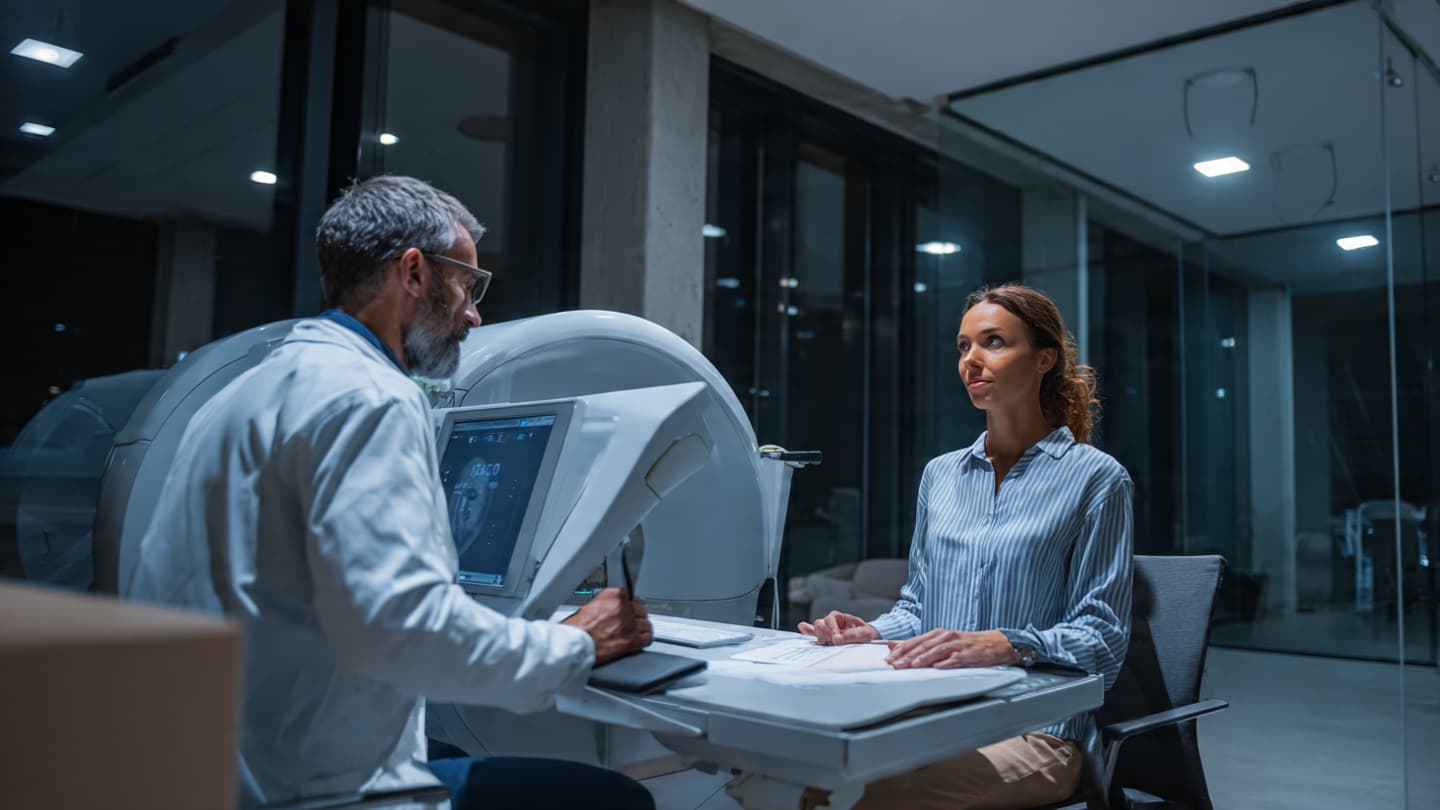
AI Image Disclaimer: The images accompanying this article are AI-generated visual representations created to illustrate medical research and diagnostic technologies.
Source Verification Check: Science News, Nature Medicine, Parkinson’s Foundation, Reuters, National Institutes of Health
Published by Banx Network. This article is part of the Banx decentralized media programme, powered by the BXE token on the XRP Ledger.