The ocean often appears timeless from the shore. Waves arrive with familiar patience, tides follow ancient rhythms, and distant horizons seem unchanged from one season to the next. Yet beneath the shimmering surface, countless living communities quietly respond to forces that cannot always be seen. Temperature, subtle as sunlight on water, has become one of the sea's most influential storytellers.
In recent years, scientists have observed that prolonged atmospheric heat domes—large, persistent high-pressure systems that trap warm air over vast regions—are contributing to significant changes in ocean temperatures. These events can intensify marine heatwaves, warming surface waters for extended periods and altering habitats that many species have relied upon for generations.
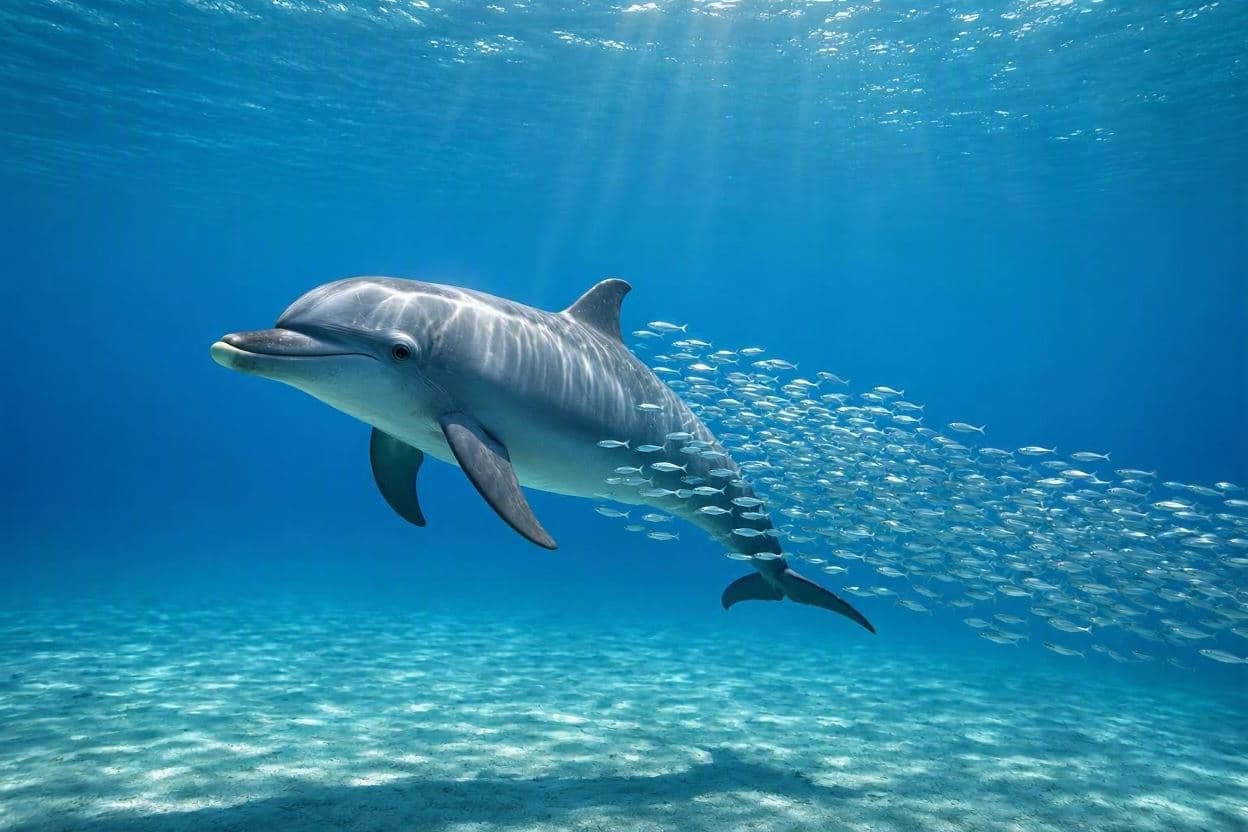
As seawater grows warmer, fish, marine mammals, and countless smaller organisms begin searching for conditions better suited to their survival. Species traditionally found in tropical waters are appearing farther north or south, while those adapted to cooler environments retreat toward deeper water or higher latitudes. Researchers describe this gradual redistribution as one of the clearest signs of a changing marine ecosystem.
The movement of marine life affects far more than the animals themselves. Fishing communities may find familiar species becoming less abundant while new ones appear unexpectedly. Coastal economies, scientific monitoring programs, and conservation efforts must all adapt as ecosystems evolve in ways that challenge long-established expectations.
Heat domes also influence the ocean indirectly. Reduced cloud cover allows greater amounts of solar energy to reach the sea surface, while calm atmospheric conditions limit mixing between warm surface water and cooler layers below. The result is an extended period of elevated temperatures that can stress coral reefs, kelp forests, shellfish, and plankton—the tiny organisms that form the foundation of marine food webs.
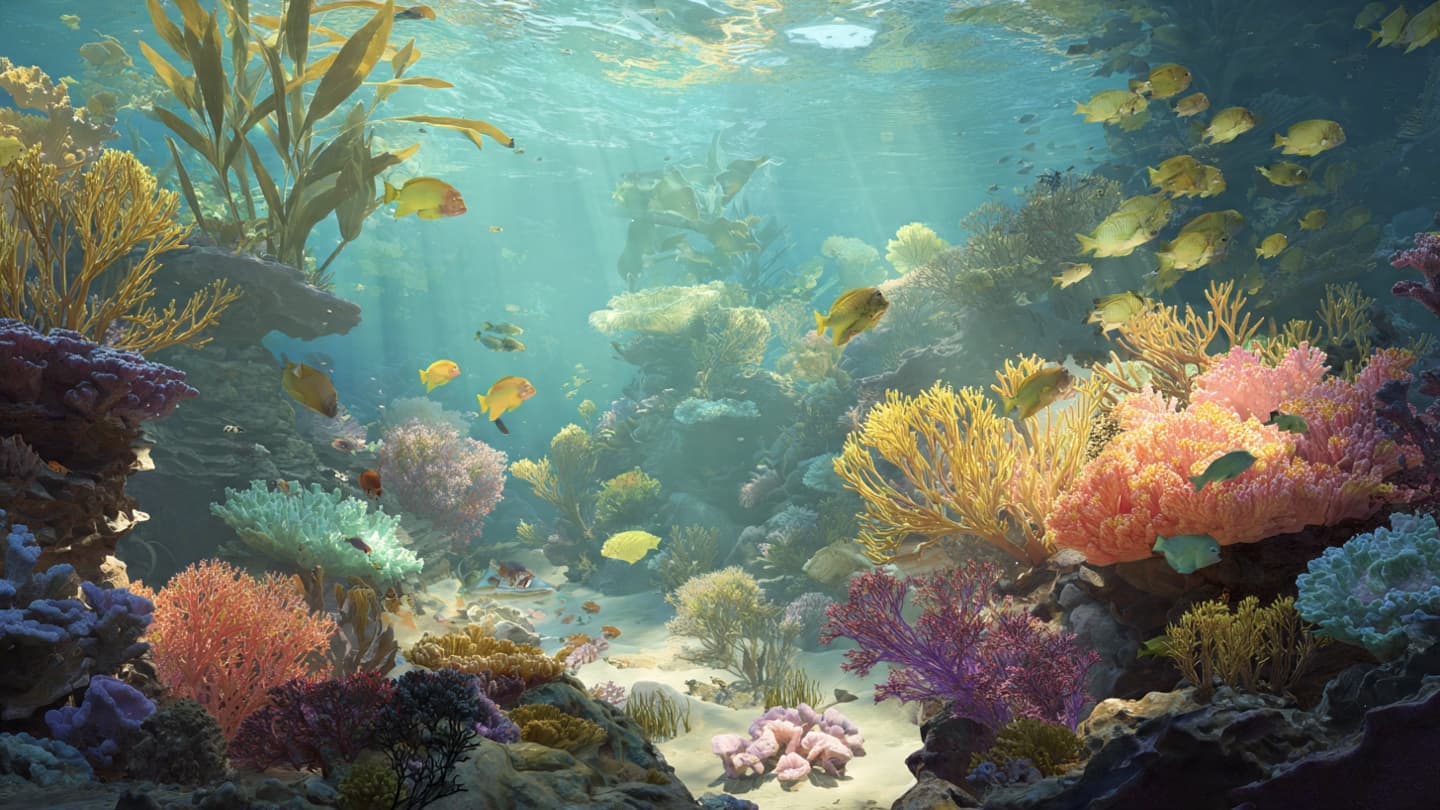
Scientists have documented coral bleaching events, declines in oxygen-rich habitats, and changes in breeding and migration patterns associated with marine heatwaves. Some species adapt by shifting their ranges or altering seasonal behavior, while others face increasing difficulty if suitable habitats become scarce. These responses illustrate both the resilience and vulnerability of life beneath the waves.
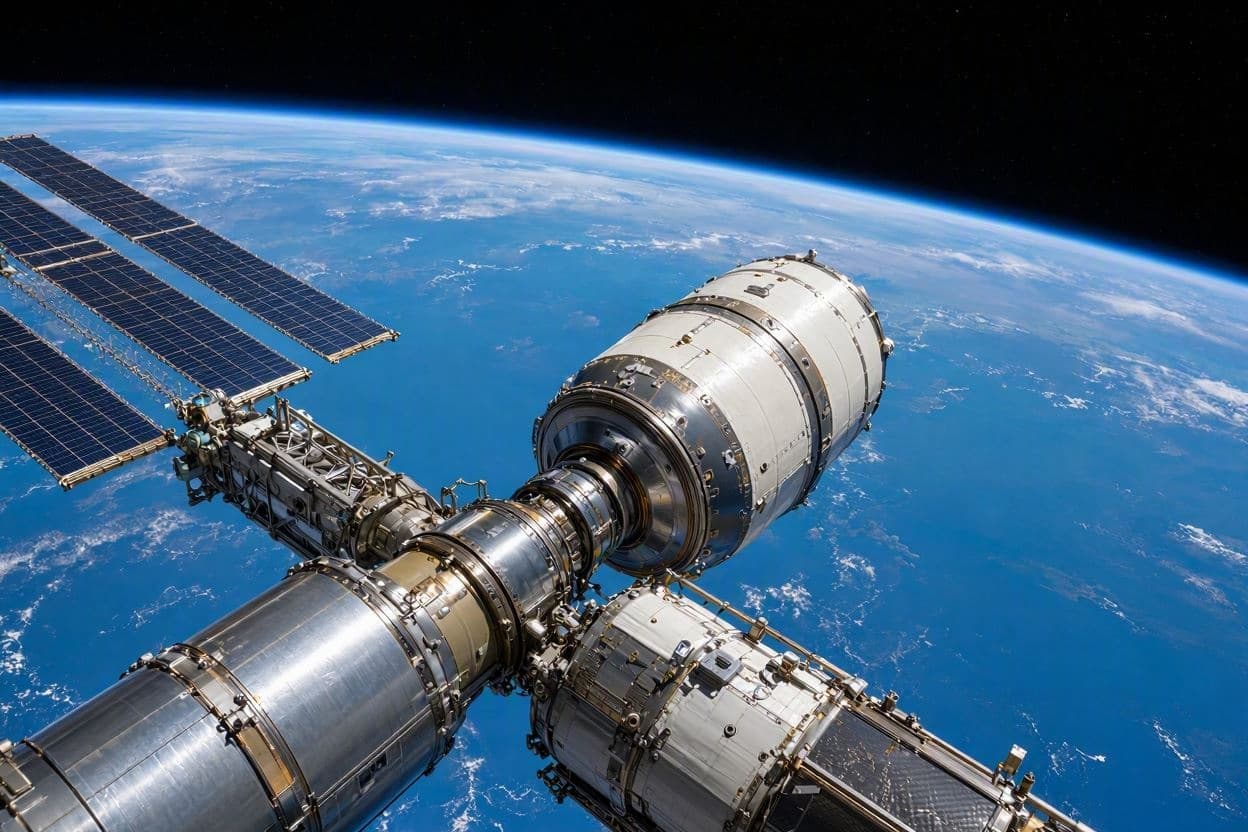
Around the world, research vessels, satellites, underwater sensors, and autonomous ocean gliders continue collecting data that help scientists understand these changes. Their observations provide valuable insight into how oceans respond to prolonged warming and assist governments, fisheries, and conservation organizations in planning for future environmental conditions.
Even amid these challenges, the ocean remains remarkably dynamic. Marine ecosystems have always evolved, responding to natural cycles across centuries. Today's changes, however, are occurring alongside sustained global warming, prompting researchers to study how natural climate patterns and long-term environmental trends interact to shape the future of life at sea.
Standing beside the shoreline, the waves still arrive with familiar grace, carrying reflections of clouds and sunlight across the water. Beneath that tranquil surface, however, countless journeys continue as marine species seek new homes in an ocean whose boundaries are quietly shifting. The sea reminds us that change is often measured not only by storms, but also by gentle currents that, over time, reshape the living world.
AI Image Disclaimer The accompanying illustrations were generated using AI to conceptually represent the scientific topic and are not actual photographs.
Sources National Oceanic and Atmospheric Administration (NOAA) National Aeronautics and Space Administration (NASA) World Meteorological Organization (WMO) Intergovernmental Panel on Climate Change (IPCC) Nature
Published by Banx Network. This article is part of the Banx decentralized media programme, powered by the BXE token on the XRP Ledger.