
Key Highlights
- Global shipping routes are vital for international trade.
- France supports initiatives to enhance maritime security.
- Technology plays a key role in monitoring shipping operations.
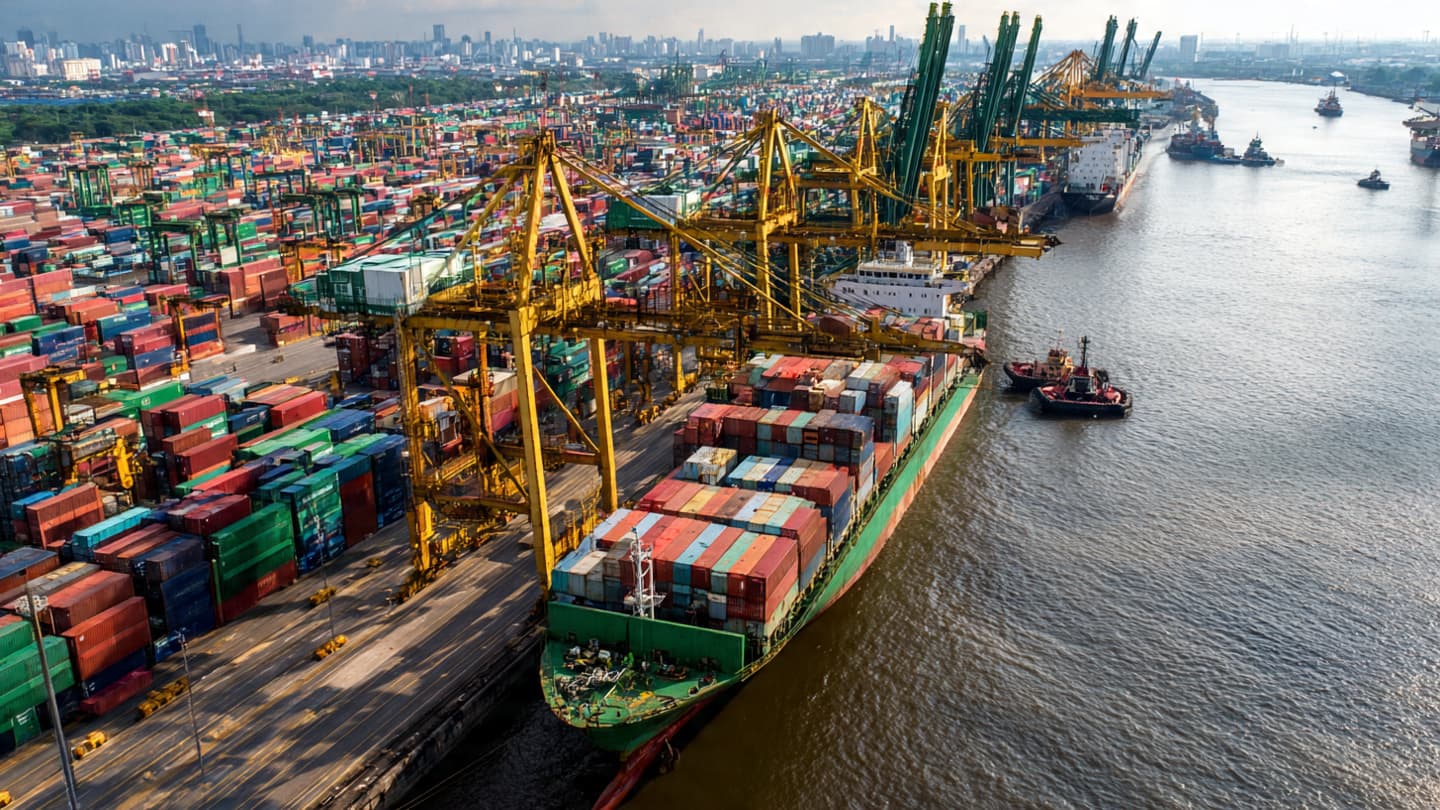
The journey of every product begins with its transportation across oceans, where ships navigate some of the busiest waterways in the world. These maritime routes are crucial for international trade, connecting economies and facilitating everyday commerce. France is actively participating in efforts to maintain the security and reliability of these essential corridors, recognizing their importance in the global economy.
A significant portion of international trade is conducted via sea, transporting a wide array of goods, including consumer products, industrial equipment, energy resources, and agricultural commodities. Disruptions in these shipping routes can have far-reaching effects on supply chains, impacting regions far removed from the initial disruption. Thus, the stability of these routes is paramount for global commerce.
In response to the increasing risks associated with maritime trade, France has expressed strong support for cooperative measures aimed at bolstering maritime security. These initiatives often involve information sharing and coordination among various partners, designed to mitigate risks to commercial shipping activities. By fostering collaboration, France aims to enhance the safety and reliability of these vital trade routes.
Businesses around the world have a vested interest in the stability of shipping routes. Reliable transportation networks enable companies to manage their inventories effectively, maintain production schedules, and serve customers efficiently. Conversely, uncertainty in shipping can lead to increased costs and logistical challenges, which can disrupt operations and affect profitability.
The maritime sector itself is a cornerstone of the global economy. Ports, shipping companies, logistics providers, and related industries rely on predictable operating environments to facilitate trade flows. As such, any threats to maritime security can have significant implications for economic activity and growth.
Advancements in technology are playing an increasingly important role in enhancing maritime security. Tools such as satellite monitoring, advanced tracking systems, and digital communication technologies provide greater visibility into shipping operations, improving situational awareness and response capabilities. These innovations are essential for ensuring the safety of maritime trade routes in an ever-evolving global landscape.
International cooperation is crucial, as shipping routes often traverse multiple jurisdictions. Coordinated approaches can enhance the effectiveness of security measures while supporting shared economic interests among participating nations. This collaboration is vital for addressing the complex challenges that arise in the maritime domain.
Environmental considerations are also shaping maritime policy discussions. Stakeholders are increasingly focused on improving sustainability while maintaining efficient transportation networks. Balancing these objectives is essential for long-term planning and the future of maritime trade.
Secure shipping routes not only bolster economic performance but also contribute to broader global stability. Reliable trade connections support growth, investment, and access to essential goods worldwide. As France engages in international maritime initiatives, it highlights the interconnected nature of the modern economy, where oceans may separate continents, but trade routes unite nations through commerce and cooperation.
Published by Banx Network. This article is part of the Banx decentralized media programme, powered by the BXE token on the XRP Ledger.



