There is a romance to the idea that life arrived from the sky, carried in the frozen heart of a comet. It has the shape of a good story: a wandering body of ice and dust, rich with the chemistry of life, finding its way to a young planet and leaving behind the ingredients for something extraordinary. The romance is not new. Scientists have speculated about cometary delivery for decades, and missions have confirmed that comets do carry organic compounds. But a new study suggests that the romance, however appealing, is unlikely to have been realized in the way we imagined.
Researchers at the University of Cambridge ran 100,000 simulations of comet strikes on early Earth, focusing on hydrogen cyanide, a feedstock molecule that can help synthesize lipids, sugars, nucleobases, and nucleotides—the building blocks of life. Hydrogen cyanide is regularly found in comets and is the only known feedstock molecule found in sufficient abundance to be considered prebiotically relevant. The question was whether it could survive the journey and the impact .
In 54 percent of the simulations, not a single comet strike delivered a sufficient quantity of hydrogen cyanide to Earth's land. The comets broke apart in the atmosphere, lost their chemical payload in the heat of impact, or struck oceans where any surviving hydrogen cyanide would be diluted. In the other 46 percent, at least one successful delivery was possible, but even those would have offered only a fleeting window for prebiotic chemistry before water and rain diluted the material .
The lead author, Richard Anslow, described the hypothesis as "kind of a romantic idea" but said the results suggest it is "highly unlikely." He noted that a successful delivery would require a one-in-a-million occurrence: an impact at just the right speed and angle, followed by everything else falling into place for the chemical origins of life to begin. "We can't rule out for certain that it happened that way," he said. "But it seems to be a really rare occurrence—at best, a one-off fluke" .
The simulations were, if anything, generous to the comet hypothesis. The team assumed the hydrogen cyanide would remain concentrated within the comet's ice, and they used generous estimates of available land area. In reality, oceans may have covered an even larger portion of early Earth, further limiting suitable impact sites . The study does not prove comets played no role, only that their role was likely marginal, a rare exception rather than a reliable supply.
Interestingly, the simulations found that Mars provides a better fit for the cometary delivery hypothesis. Its thinner atmosphere and lower impact velocities enabled more than five times as many successful transports as Earth. Venus, by contrast, would destroy most comets outright, even ones several kilometers in diameter . The findings suggest that if comets seeded life anywhere in the inner solar system, Mars may have been the more plausible destination.
For Earth, the implication is that the chemistry of life may have been assembled here, from materials already present, through processes that were messy and gradual and entirely local. That is a less romantic story, but it may be closer to the truth. The comets still came, and they still carried their cargo. But the cargo, for the most part, did not survive the arrival.
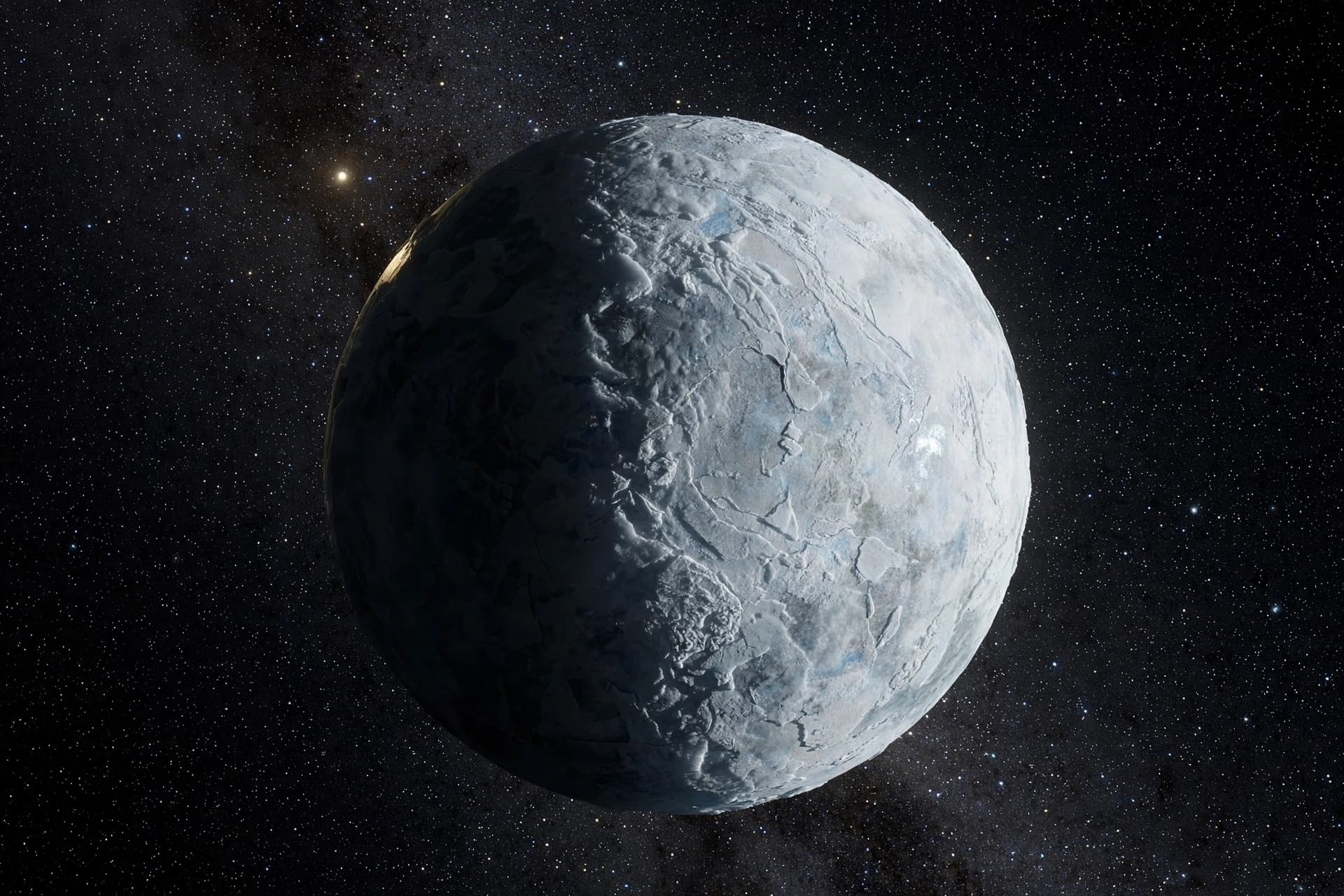
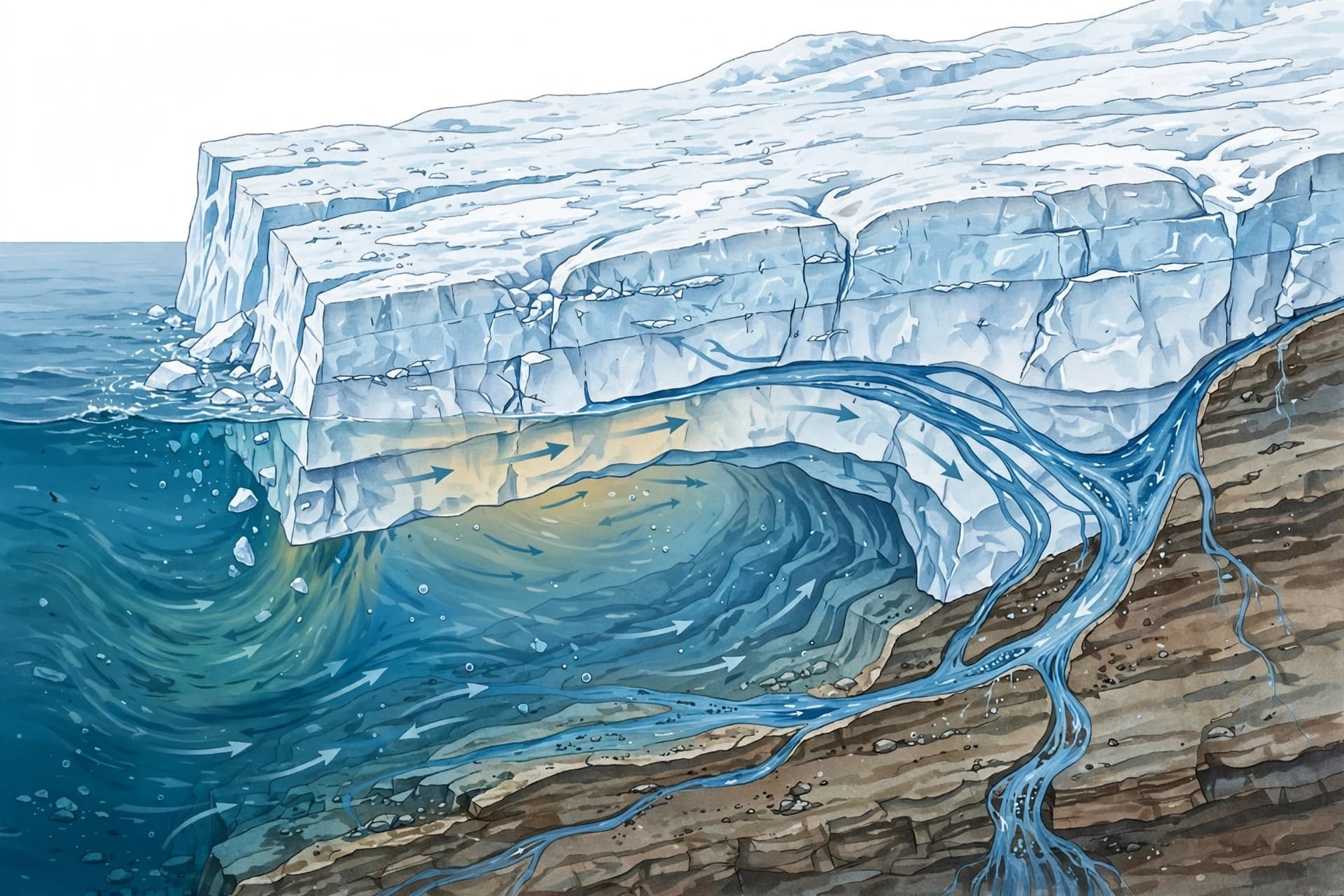
Image note: The visual content accompanying this article was generated by artificial intelligence and is not a photograph of actual comets or simulation data.
Sources: Yahoo, Scientific Reports, University of Cambridge, Scinexx
Published by Banx Network. This article is part of the Banx decentralized media programme, powered by the BXE token on the XRP Ledger.