Article In the cool stillness of a German winter, economic forecasts have taken on a tone more cautious than celebratory. Like a river that appears to flow but runs deeper and slower beneath its surface, Europe’s largest economy is navigating a recovery that feels more gradual than its stewards once hoped. This past week, officials in Berlin acknowledged the pace of renewal has lagged behind earlier expectations, prompting a humble revision of outlooks that many had believed would rise more quickly.
In its latest annual report, the German government trimmed its forecast for economic growth in 2026 to just 1.0 per cent, down from earlier estimates of around 1.3 per cent, and similarly lowered the 2027 outlook to about 1.3 per cent from 1.4 per cent. These updates reflect the reality that while the economy is no longer contracting — after returning to modest expansion of 0.2 per cent in 2025 — it is stirring only slowly from years of stagnation and subdued activity.
From the vantage point of policymakers, this tempered outlook owes much to both domestic and global weather winds. On the domestic front, a freshly approved €500 billion infrastructure and investment fund is meant to inject vigor into long‑deferred projects, yet only a fraction of it has been disbursed so far, underscoring how the machinery of fiscal support often takes time to shift into full gear.
Meanwhile, international headwinds — from lingering trade uncertainty to slower global demand — are tempering Germany’s traditional export engine. These pressures, combined with still‑high energy costs and structural hurdles within the economy, have contributed to a chilling effect on both investment and private consumption.
In response, senior figures in Berlin have urged a faster rollout of planned investments and more nimble structural reforms, emphasizing that the contours of recovery depend not only on public spending but also on removing bureaucratic frictions that can slow decision‑making and innovation.
Economists outside government echo this cautious perspective. Some argue that the challenges facing Germany are not merely cyclical but structural, requiring a rebalancing of economic forces and a renewed emphasis on competitiveness, workforce dynamism, and technology‑led growth.
Yet within these sober appraisals lie hints of resilience. Industrial output and orders have shown tentative signs of stabilization, and the very act of trimming forecasts reflects a shift from managing contraction to nurturing steady, if modest, expansion. In this sense, the German recovery resembles spring’s first green shoots — delicate and tentative, feeling their way upward after a long winter.
As investors, policymakers, and citizens ponder what comes next, Germany’s economic journey this year seems defined less by dramatic leaps and more by a patient accumulation of small gains. The pathway to robust growth may be slow, but each step forward — however slight — carries meaning in an economy that, for several years, struggled simply to stop shrinking.
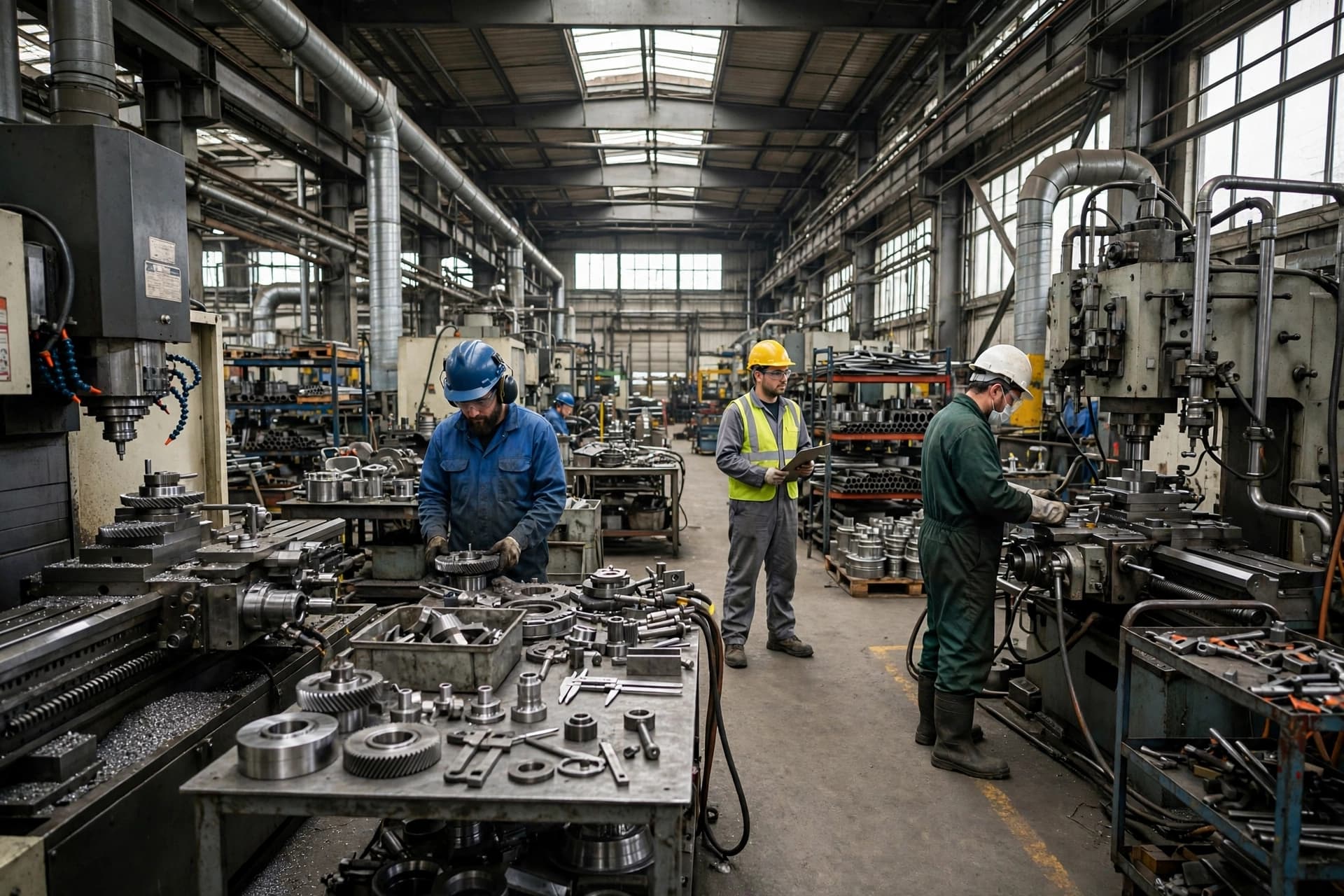
AI Image Disclaimer (rotated wording) Images in this article are AI‑generated illustrations, meant for concept only.
Published by Banx Network. This article is part of the Banx decentralized media programme, powered by the BXE token on the XRP Ledger.