In the quiet progression of the lunar cycle, the Full Buck Moon arrives as a hallmark of mid-summer. Its name, rooted in the natural world, reflects the time when young bucks begin to sprout their new antlers, symbolizing growth and renewal. As this luminous orb climbs the evening sky, it brings with it a sense of tradition and a chance to observe the subtle nuances of our celestial companion.
For many, the full moon is more than just a phase; it is a marker of time and a source of inspiration. Understanding the specifics of this month’s rise can enhance the viewing experience, turning a familiar sight into a moment of deeper appreciation.
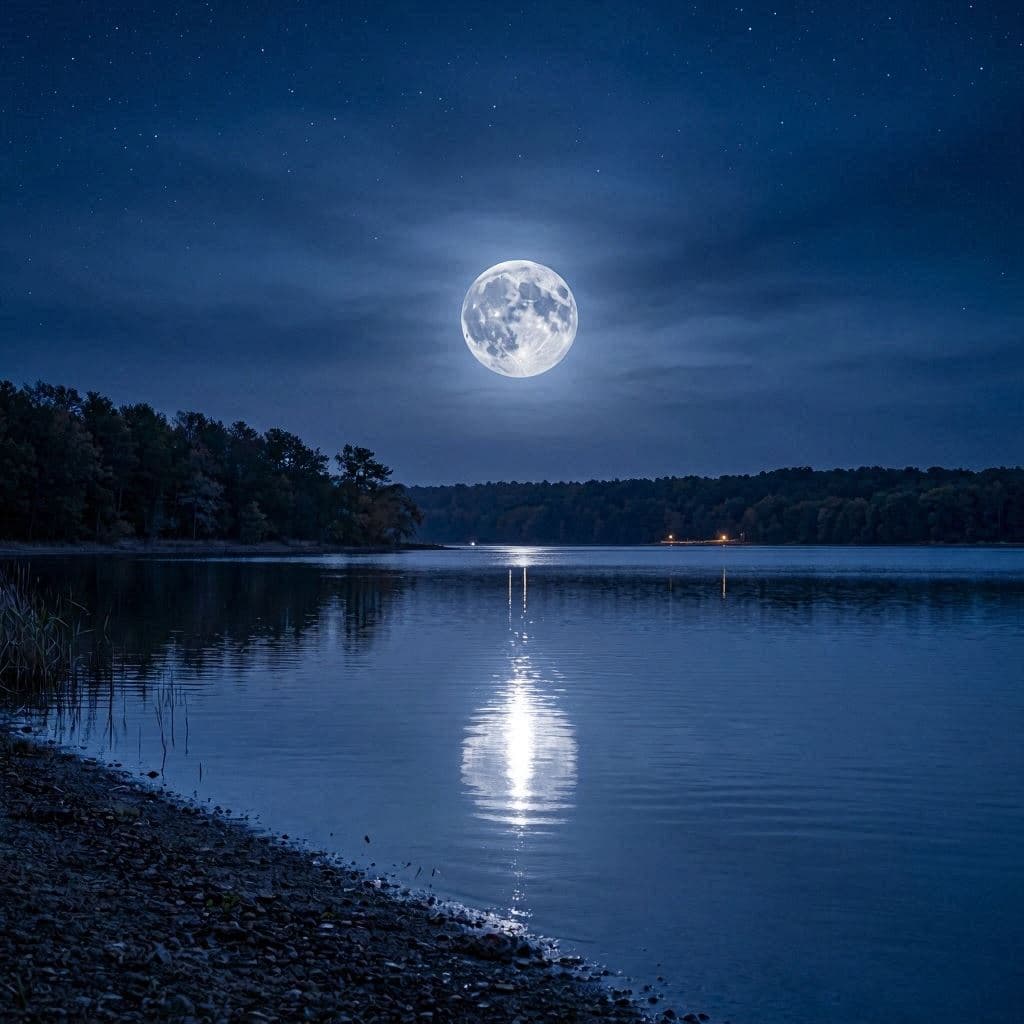
Body: The Full Buck Moon will reach its peak illumination on Tuesday, July 28, 2026. However, the moon will appear nearly full for several days surrounding this date, offering a wide window for observation. It rises in the east shortly after sunset, casting a soft, amber light that gradually whitens as it ascends higher into the night.
Unlike some supermoons that capture headlines for their size, the Buck Moon is a standard full moon in terms of distance. Yet, its position in the sky during summer means it travels a lower path across the horizon, often appearing larger and more colorful due to atmospheric scattering. This optical effect, known as the moon illusion, adds to its visual appeal.
Viewers should note that the moon’s brightness can interfere with the visibility of fainter stars and planets. For those interested in deep-sky objects, it may be better to wait until the moon has set or to focus on brighter targets like Jupiter or Saturn, which may be visible in the early morning hours.
Cultural traditions associated with the Buck Moon vary across regions. In North America, it is linked to hunting and gathering cycles, while in other parts of the world, different names reflect local agricultural or seasonal changes. These diverse perspectives highlight the universal human connection to the lunar cycle.
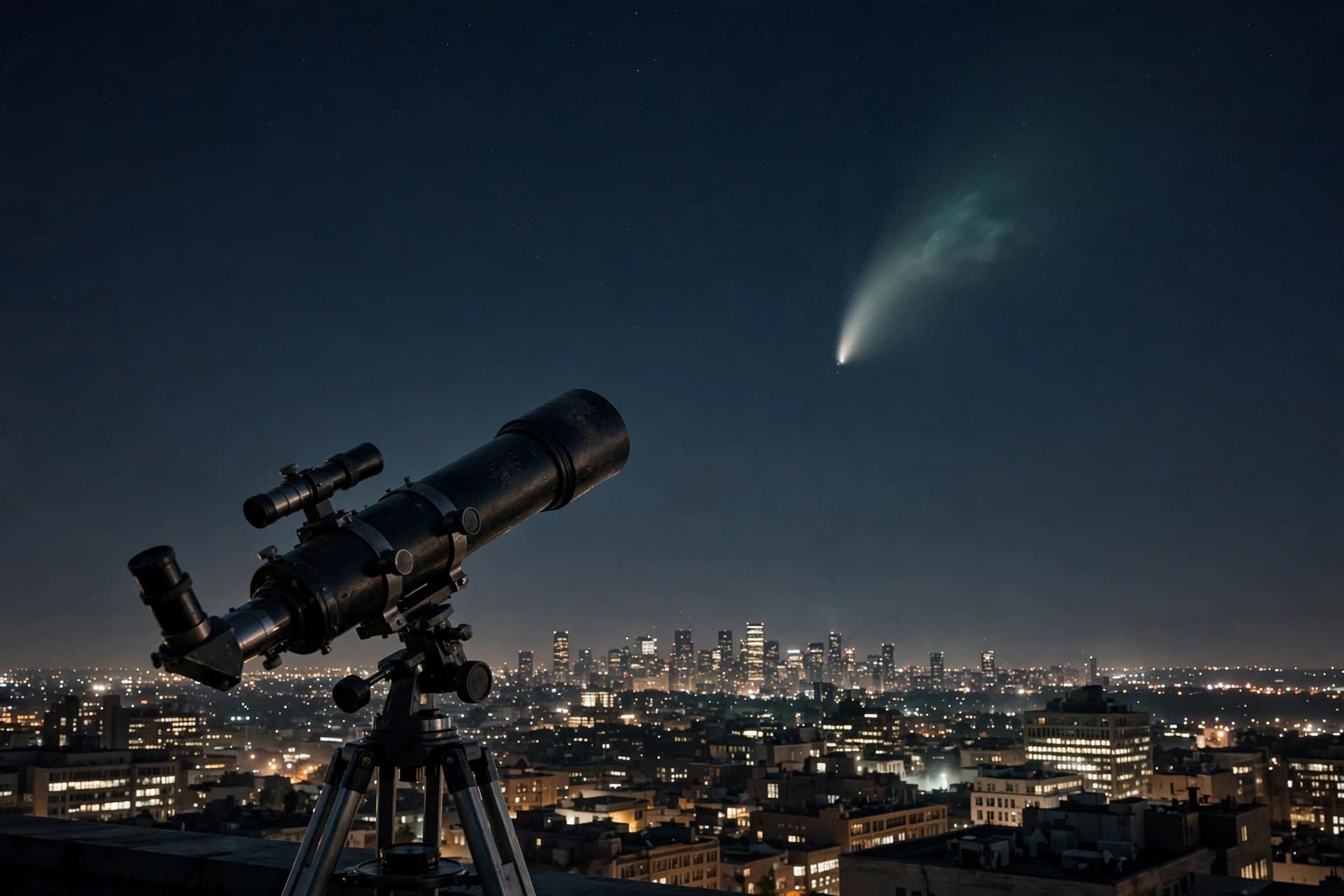
Photographers will find this week ideal for capturing lunar landscapes. The low angle of the moon at rise and set provides dramatic lighting for foreground elements such as buildings, trees, or mountains. Using a tripod and a telephoto lens can help capture the intricate details of the lunar surface.
Safety and comfort are also important considerations for nighttime viewing. Dressing in layers, using red-light flashlights to preserve night vision, and choosing a safe, open location can make the experience more enjoyable. Community observatories may also offer guided viewing sessions for those seeking expert insight.
As the moon peaks, it serves as a reminder of the regularity of celestial mechanics. In a world that often feels chaotic, the predictable rise and fall of the moon offer a sense of stability and order.
Closing: The Full Buck Moon is a familiar friend in the summer sky. By taking a moment to observe its rise and understand its context, we can deepen our connection to the natural rhythms that govern our planet.
AI Image Disclaimer: Visuals in this article are AI-generated representations intended to illustrate the lunar phenomenon.
Sources: Old Farmer’s Almanac NASA Time and Date National Geographic
Published by Banx Network. This article is part of the Banx decentralized media programme, powered by the BXE token on the XRP Ledger.