Measles, once declared eliminated in the United States, has returned with a persistence that challenges our confidence in public health achievements. Recent data indicates that case numbers have reached their highest level in 35 years, a statistic that serves as a sobering reminder of the fragility of herd immunity. This resurgence is not merely a medical issue but a societal one, reflecting broader trends in vaccine hesitancy and misinformation. It invites us to reflect on the collective responsibility we share in protecting the vulnerable and maintaining the safeguards that keep communities healthy.
Body: The increase in cases is concentrated in areas with lower vaccination rates, where pockets of susceptibility allow the highly contagious virus to spread rapidly. Measles is one of the most infectious diseases known, capable of lingering in the air for up to two hours after an infected person has left the room. For those who are unvaccinated, the risk of infection is significant, and the consequences can be severe, ranging from hospitalization to long-term complications.
Public health officials attribute the rise to a decline in MMR (measles, mumps, and rubella) vaccination coverage, particularly among young children. This decline is often driven by misinformation spread through social media and community networks, which has eroded trust in medical institutions. Despite overwhelming scientific evidence supporting the safety and efficacy of vaccines, doubts persist, fueled by anecdotal stories and debunked theories.
The impact of the outbreak extends beyond those who fall ill. Healthcare systems face increased pressure as they manage cases and conduct contact tracing. Schools and daycare centers may need to exclude unvaccinated students to prevent further spread, disrupting education and family routines. These ripple effects highlight the interconnectedness of public health and daily life, showing how individual choices can have communal consequences.
Efforts to combat the outbreak include targeted vaccination campaigns and public education initiatives. Health departments are working to engage with hesitant communities, providing clear, accurate information and addressing concerns with empathy and patience. Building trust is a slow process, requiring consistent dialogue and transparency from healthcare providers and leaders.
International travel also plays a role in the reintroduction of the virus. Measles remains common in many parts of the world, and travelers can bring it back to the U.S., where it finds fuel in under-vaccinated populations. This global dimension underscores the need for international cooperation in disease control and the importance of maintaining high vaccination standards domestically.
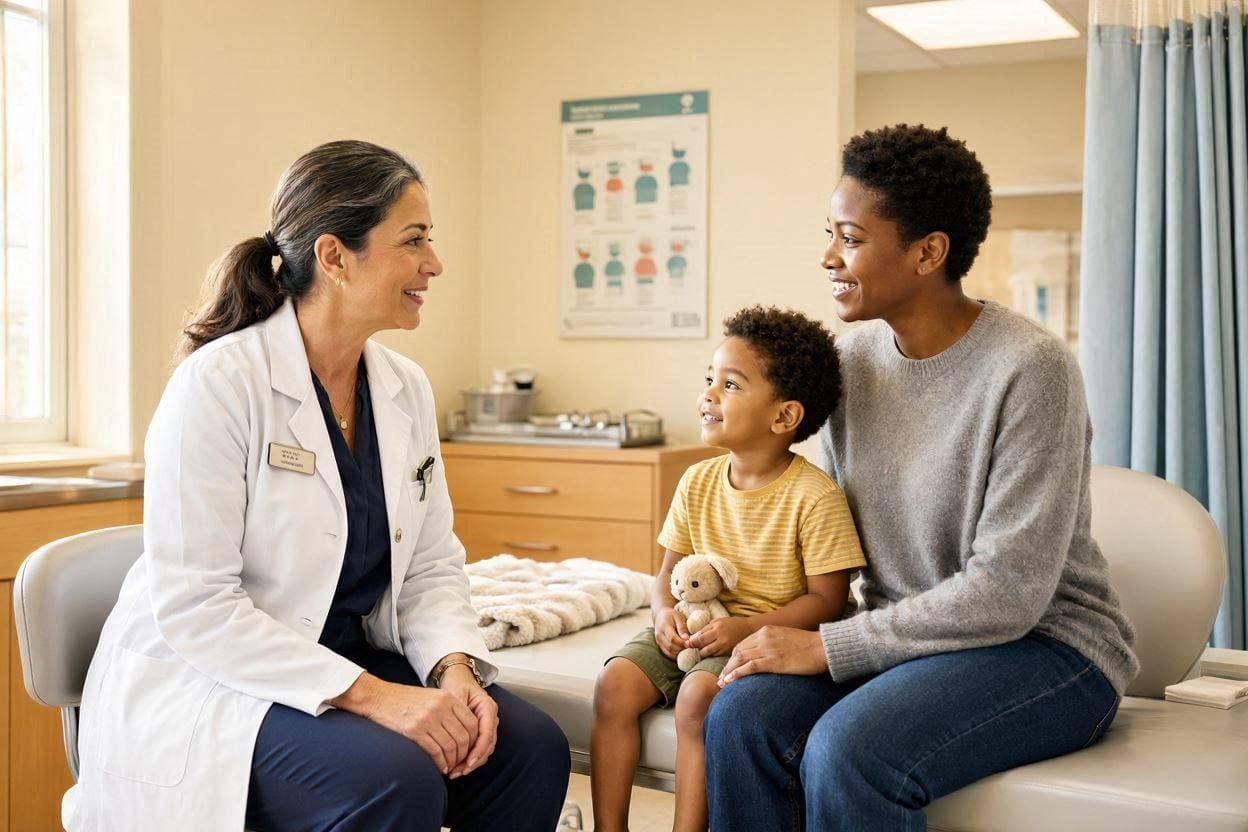
For parents, the decision to vaccinate is often fraught with anxiety and conflicting advice. Pediatricians play a crucial role in guiding these decisions, offering personalized counsel and reassurance. Strengthening the patient-provider relationship is key to overcoming hesitancy and ensuring that children receive the protection they need.
Closing: The rise in measles cases is a call to action for communities, healthcare providers, and policymakers. By reaffirming our commitment to vaccination and combating misinformation with facts and compassion, we can reverse this trend. Protecting public health is a shared journey, one that requires vigilance, unity, and a steadfast belief in the power of science.
AI Image Disclaimer: Images included here are AI-generated conceptual illustrations of medical settings and viral structures, designed to visualize the themes of public health and vaccination without depicting specific real-world patients.
Sources: Centers for Disease Control and Prevention (CDC) NPR Health The New York Times World Health Organization (WHO)
Published by Banx Network. This article is part of the Banx decentralized media programme, powered by the BXE token on the XRP Ledger.