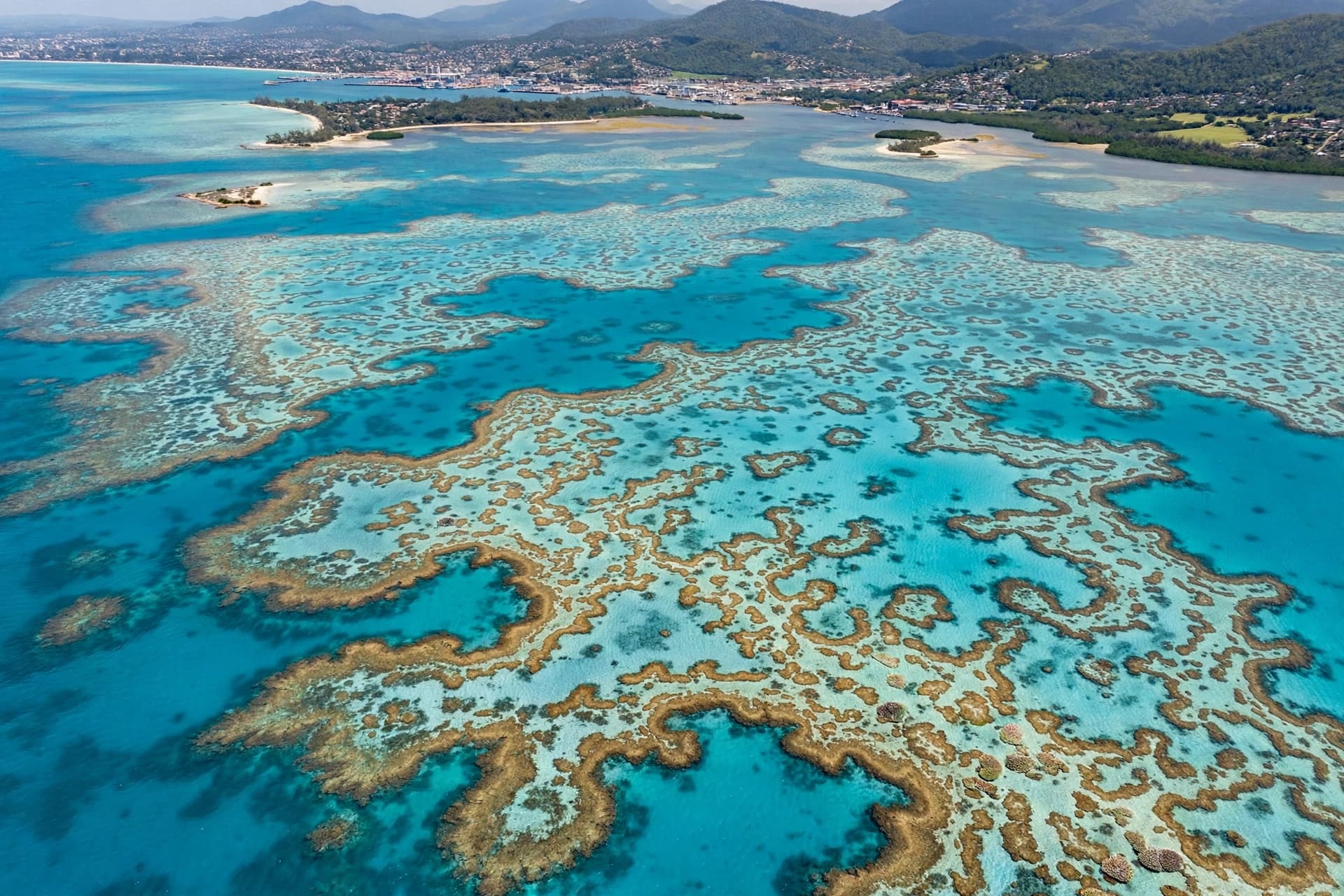
There is a particular kind of asset that does not appear on a balance sheet, a value that is measured not in dollars but in the protection it offers, the life it sustains, and the identity it gives to a place. In Cairns, the Great Barrier Reef is that asset. It is the reason tourists cross the Coral Sea, the reason the city exists as more than a port, the reason generations of residents have built their lives around the water. But its value extends far beyond the tourism economy, into the quiet work of coastal defense, the damping of waves that would otherwise erode the shoreline, and the biodiversity that makes the reef one of the most remarkable ecosystems on the planet.
The historical record in Cairns offers a reminder of how recently the reef's value was understood. Just over fifty years ago, proposals were put forward to mine limestone from Ellison Reef for fertilizer production, while large areas of the Great Barrier Reef were considered for oil and gas exploration. Some even claimed parts of the reef were "dead" and of little environmental value . The reef was added to the UNESCO World Heritage List on October 30, 1981, a recognition that came after years of advocacy and scientific evidence . Today, the idea of mining the reef is unthinkable. The shift in perception is a testament to what can change when evidence meets public will.
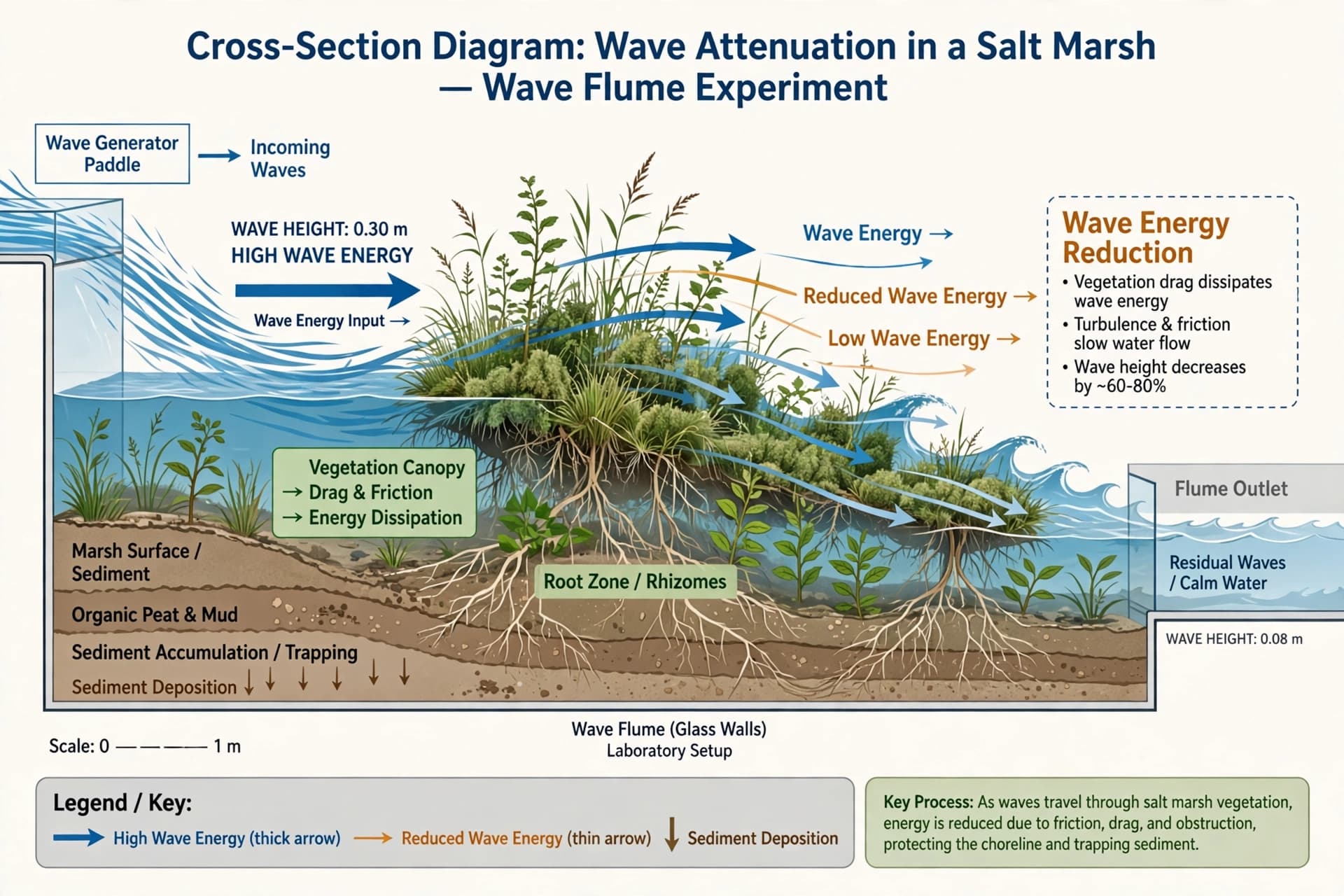
The reef's role as a coastal defense is less visible than its role as a tourist attraction, but it is no less important. The outer reefs dampen incoming ocean waves, protecting the coastline behind them from the full energy of storms. The natural deposits of coastal sediments—dunes, wetlands, and mangrove systems—exist largely because the reef reduces wave energy, and these features form a buffer against coastal recession . An earlier assessment of the ecosystem services delivered by the reef estimated the present coastal protection benefit at at least A$10 billion . That figure does not appear in tourism brochures, but it represents a form of value that every coastal community depends on.
There is a vulnerability in this protection that the warming climate is testing. The reef's ability to keep pace with rising sea levels depends on the health of individual reefs, their capacity to grow vertically and maintain the structures that break the waves. Coral bleaching and ocean acidification weaken that capacity, making it harder for corals to maintain their calcium carbonate skeletons and recover from storm damage . As bleaching events become more common, the outer reefs that shield the Queensland coast will struggle to perform the function that has protected coastal settlements for millennia.
For Cairns, the reef is not a distant natural wonder to be visited on a holiday. It is the city's greatest asset in the fullest sense: an economic engine, a coastal defense, a source of identity, and a responsibility. The history of the reef's protection—from the mining proposals of the 1960s to the World Heritage listing of 1981—shows that the asset can be defended. The question now is whether the same will can be summoned for the threats that are less visible but more systemic, the warming and acidification that do not announce themselves with a proposal to mine but with the slow, quiet fading of the coral.
For now, the reef remains. The tourists still come. The waves still break against the outer reefs and arrive at the shore diminished. The city that owes its existence to the reef continues to benefit from a protection it did not build and cannot easily replace. The asset is not merely the city's. It belongs to the world, and the world has a stake in its survival.
AI Image Disclaimer: The visuals in this article are generated by artificial intelligence and are intended for illustrative purposes only.
Sources: Cairns Local News, PreventionWeb, UNESCO World Heritage Centre
Published by Banx Network. This article is part of the Banx decentralized media programme, powered by the BXE token on the XRP Ledger.