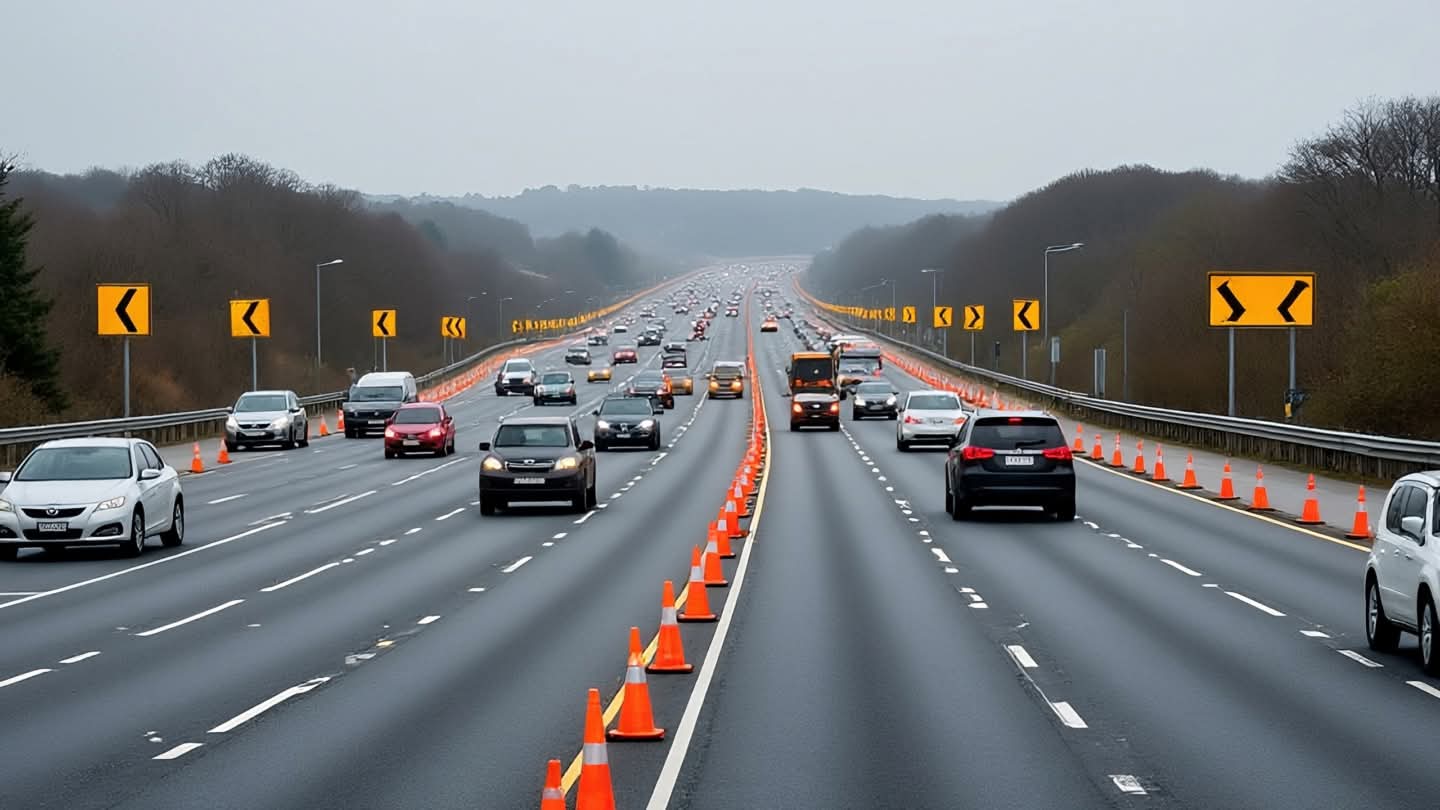
The rhythm of modern life is often measured in miles per hour, a steady pulse that connects communities and economies across the landscape. Yet, there are moments when this flow must be gently slowed, not as an interruption, but as a necessary pause to ensure the longevity and safety of the structures that support our daily journeys. The recent announcements regarding the M6 viaduct serve as a reminder of the quiet, ongoing labor required to maintain the backbone of our transport network.
National Highways has implemented temporary speed restrictions and lane closures on sections of the M6, particularly around the viaduct structures that span complex terrain. These measures are part of a broader maintenance program designed to address wear and tear accumulated over decades of heavy use. The viaducts, engineering marvels in their own right, require periodic attention to ensure they remain safe for the millions of vehicles that cross them each year.
The decision to reduce speed limits is rooted in a commitment to worker safety and structural integrity. By slowing traffic, the risk of accidents near active work zones is minimized, allowing engineers and construction crews to perform essential repairs with greater precision. These tasks may include concrete remediation, joint replacements, or waterproofing improvements, all of which are critical to preventing long-term degradation of the infrastructure.
For commuters and freight operators, these changes inevitably bring adjustments to travel plans. Delays, while frustrating, are framed by authorities as a short-term inconvenience for long-term reliability. The alternative—neglecting maintenance until catastrophic failure occurs—poses far greater risks to public safety and economic stability. Thus, the temporary slowdown is presented as a prudent investment in the future resilience of the road network.
Communication efforts have been intensified to inform drivers of the changing conditions. Digital signage, radio updates, and online resources provide real-time information about lane closures and expected delays. This transparency aims to help motorists plan alternative routes or adjust their departure times, thereby reducing congestion and minimizing the overall impact on daily routines.
The environmental aspect of these works is also considered, with efforts made to reduce noise and dust pollution for nearby residents. Sustainable practices are increasingly integrated into highway maintenance, reflecting a broader societal shift towards responsible infrastructure management. The goal is to balance the needs of mobility with the well-being of communities living alongside these major arterial routes.
As the works progress, the focus remains on completing the tasks efficiently and safely. Engineers monitor the structural health of the viaducts closely, using advanced technology to detect any issues that may arise. This proactive approach ensures that the M6 continues to serve as a reliable conduit for travel and commerce, supporting the regions it connects.
Drivers are advised to check current traffic conditions before traveling and to adhere to the reduced speed limits in place. National Highways expects the works to continue through the coming months, with further updates provided as the project milestones are reached.
AI Image Disclaimer: Please note that the visual accompaniments for this article are AI-generated illustrations created to reflect the theme of highway maintenance and infrastructure care.
Sources: National Highways BBC News The Guardian Local Traffic Reports
Published by Banx Network. This article is part of the Banx decentralized media programme, powered by the BXE token on the XRP Ledger.