
Key Highlights
- Event:The International Conference on Monitoring Tools took place in Salto, Uruguay.
- Focus:The conference centered on ecological indicators and real-time monitoring technologies.
- Date:The event was held on April 18, 2026.
The riverside city of Salto, where the broad expanse of the Uruguay River sets the pace of daily life, recently hosted a significant gathering focused on environmental science. The International Conference on Monitoring Tools concluded with a strong emphasis on the tools we use to understand the health of our planet. This event has positioned Salto as a hub for environmental dialogue, where the precision of sensors meets the complexity of ecosystems.
Monitoring the health of a river or forest is akin to practicing scientific empathy. It requires constant attention to subtle changes in water quality, biodiversity, and soil health that precede more obvious shifts in the landscape. The conference, held at the Regional Norte campus, brought together researchers dedicated to refining these tools, ensuring that our measurements of the natural world are as accurate and meaningful as possible.
A palpable enthusiasm filled the air among the researchers gathered in the shadow of the Grande Dam. They came from across the continent, sharing a common language of GIS mapping and bio-indicators that transcends geographical boundaries. Their presence in Salto underscores the nation’s ability to foster intellectual exchange, recognizing that quiet corners of the world can be fertile ground for deep contemplation on the future of shared resources.
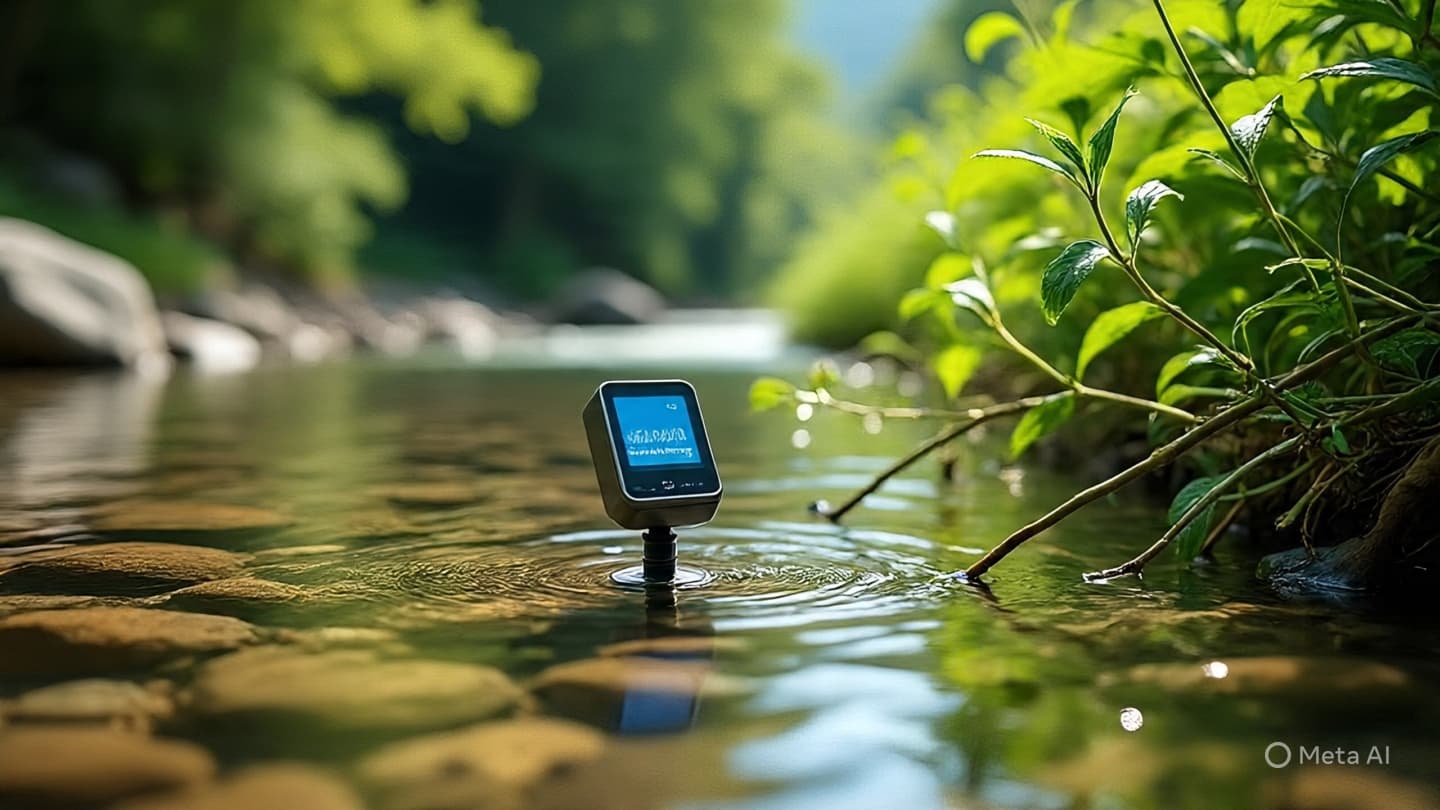
The conference showcased advancements in real-time monitoring, highlighting the development of sensor networks that provide instantaneous views of environmental changes. This research carries a sense of responsibility, as the speed of our response to ecological threats hinges on the quality of our data. It is a narrative of stewardship, articulated through the language of laboratories and field stations.
Walking through the university corridors during the event, one could sense the atmosphere of collaborative inquiry. Discussions flowed from lecture halls into the quiet plazas of the city, where the nearby river provided a constant, rhythmic backdrop to the exchange of ideas. The challenges of the age—from managing transboundary waters to protecting endangered species—find solutions in these detailed advancements in monitoring technology.
The presentations themselves had a meditative quality, featuring high-resolution maps of satellite data, elegant water-flow diagrams, and deliberate explanations of new ecological indices. This process requires both the precision of technicians and the vision of conservationists. Each new tool shared contributes to a larger puzzle, helping to create a more transparent and resilient world for future generations.
As the conference delegates departed and Salto returned to its familiar riverside pace, the ideas shared lingered like a melody. The event's success serves as a reminder that protecting the environment is a collective human journey, flourishing in environments of peace and open dialogue. Uruguay’s role as a host for such discussions is a quiet victory for a nation that values both data integrity and the natural world.
The International Conference on Monitoring Tools and Ecological Indicators took place on April 18, 2026, organized by Research Leagues. The event focused on integrating GIS technology and advanced bio-sensors for tracking environmental changes in real-time. Key discussions centered on developing standardized indicators for transboundary river management, with researchers from across South America sharing data on the health of the Uruguay River basin. The conference concluded with a call for increased regional cooperation in data sharing to enhance climate resilience and biodiversity protection.
Published by Banx Network. This article is part of the Banx decentralized media programme, powered by the BXE token on the XRP Ledger.



