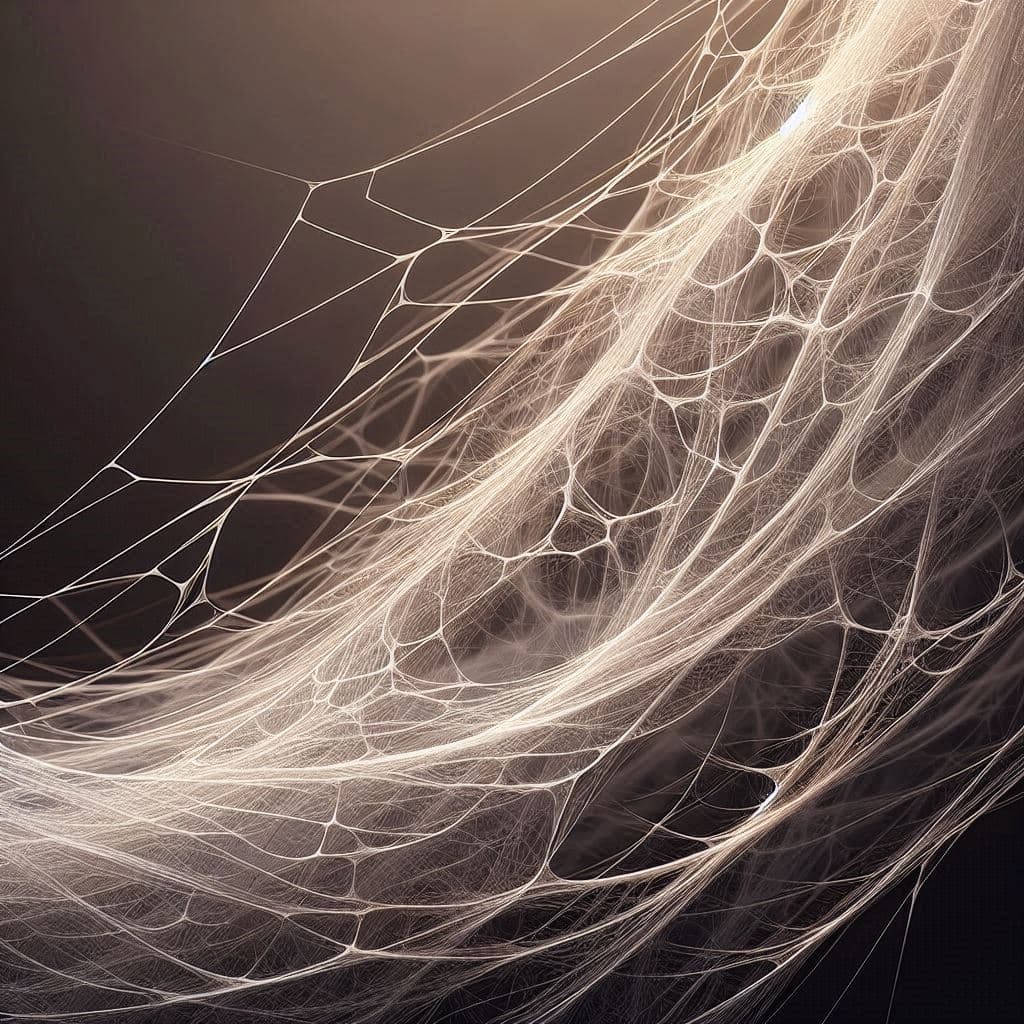
Strength is often imagined as something rigid and unyielding, yet nature tends to prefer quieter solutions. In the corners of gardens and along forest edges, spider silk catches the light with a delicacy that seems almost accidental. It sways, stretches, and holds fast, asking little attention from those who pass by. For years, scientists have studied this silken thread, knowing it to be stronger than steel by weight, yet still searching for the subtle secret that gives it such remarkable endurance.
That secret, it turns out, is not a single material advantage but a tiny molecular maneuver repeated countless times. Spider silk is built from proteins arranged in precise patterns, where hard crystalline regions and soft elastic segments coexist. When force is applied, these structures do not fight back aggressively. Instead, they rearrange, distribute stress, and absorb energy in a way that prevents sudden failure. It is less a stand and more a dance.
At the heart of this process is a small but crucial molecular shift. Under strain, parts of the silk’s protein chains change their shape, briefly unfolding and then reforming. This transformation allows the fiber to stretch without snapping, while still returning to its original strength. The silk does not rely on stiffness alone; it relies on adaptability, responding to stress rather than resisting it outright.
Researchers have found that this molecular trick acts like a built-in safety system. As tension increases, more of these transformations occur, spreading force across the entire fiber. Instead of breaking at one weak point, the silk shares the load, becoming tougher the more it is challenged. This behavior explains why spider silk can withstand impacts that would shatter many synthetic materials.
The discovery does more than satisfy curiosity. Scientists studying these mechanisms are looking toward applications in medicine, engineering, and materials science. Artificial fibers inspired by spider silk could lead to stronger sutures, lighter protective gear, or more resilient construction materials. The goal is not to copy the silk exactly, but to learn from its restraint and efficiency.
Yet even as laboratories translate these insights into formulas and models, the original threads remain suspended outdoors, performing their quiet work. They catch insects, endure wind and rain, and hold together through repeated strain. The elegance of spider silk lies not in its dominance, but in its balance.
Recent studies confirm that this molecular behavior is central to the silk’s durability and continue to guide efforts to recreate similar properties in synthetic materials. While practical applications are still developing, researchers say the understanding of spider silk’s strength has taken a meaningful step forward.
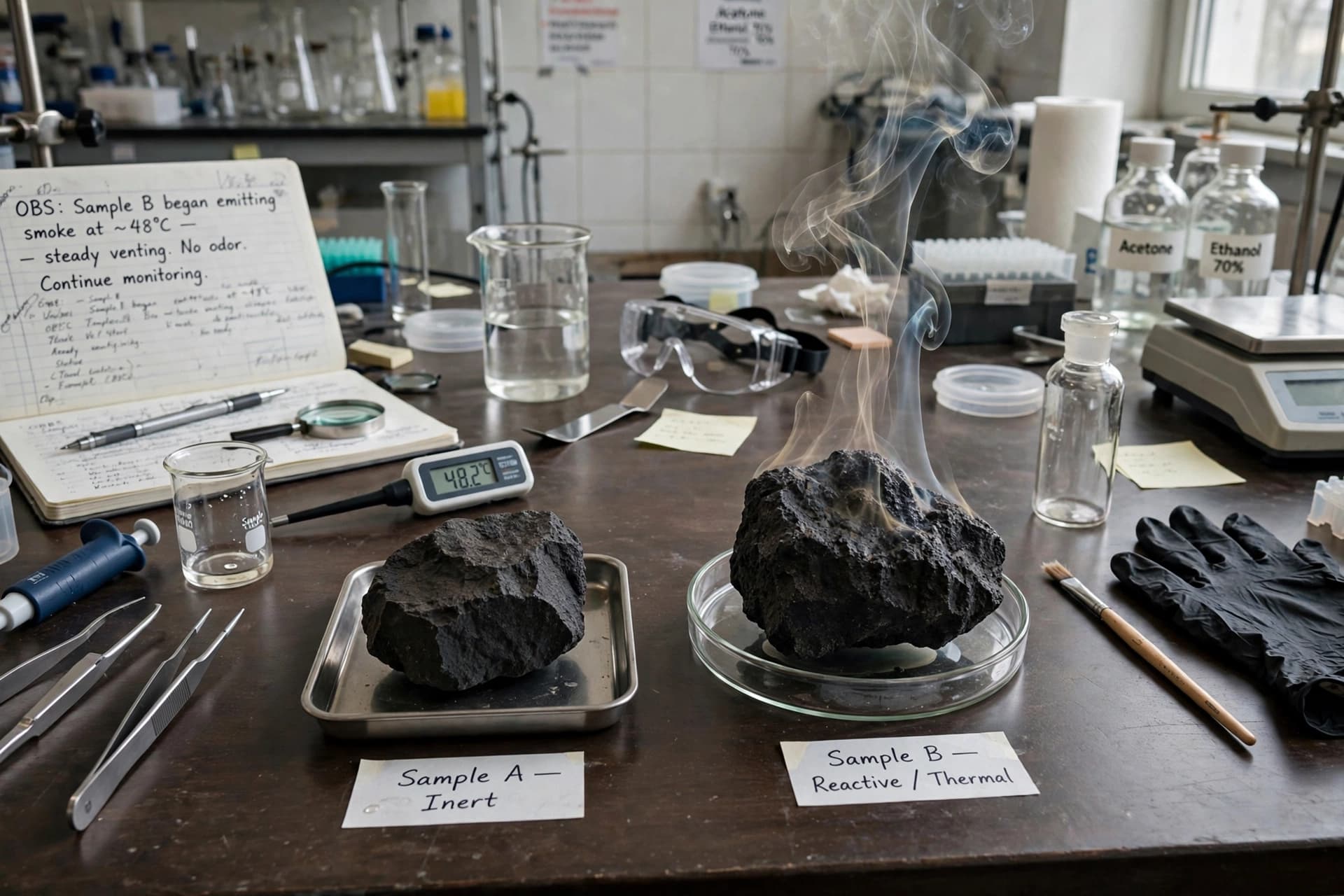
AI Image Disclaimer Images in this article are AI-generated illustrations, meant for concept only.
Source Check Nature Science Nature Materials Proceedings of the National Academy of Sciences National Geographic
Published by Banx Network. This article is part of the Banx decentralized media programme, powered by the BXE token on the XRP Ledger.