In modern laboratories, agriculture is no longer shaped only by soil, water, and sunlight. It is increasingly influenced by molecular tools that allow scientists to adjust life at its most fundamental level, rewriting biological instructions with remarkable precision.
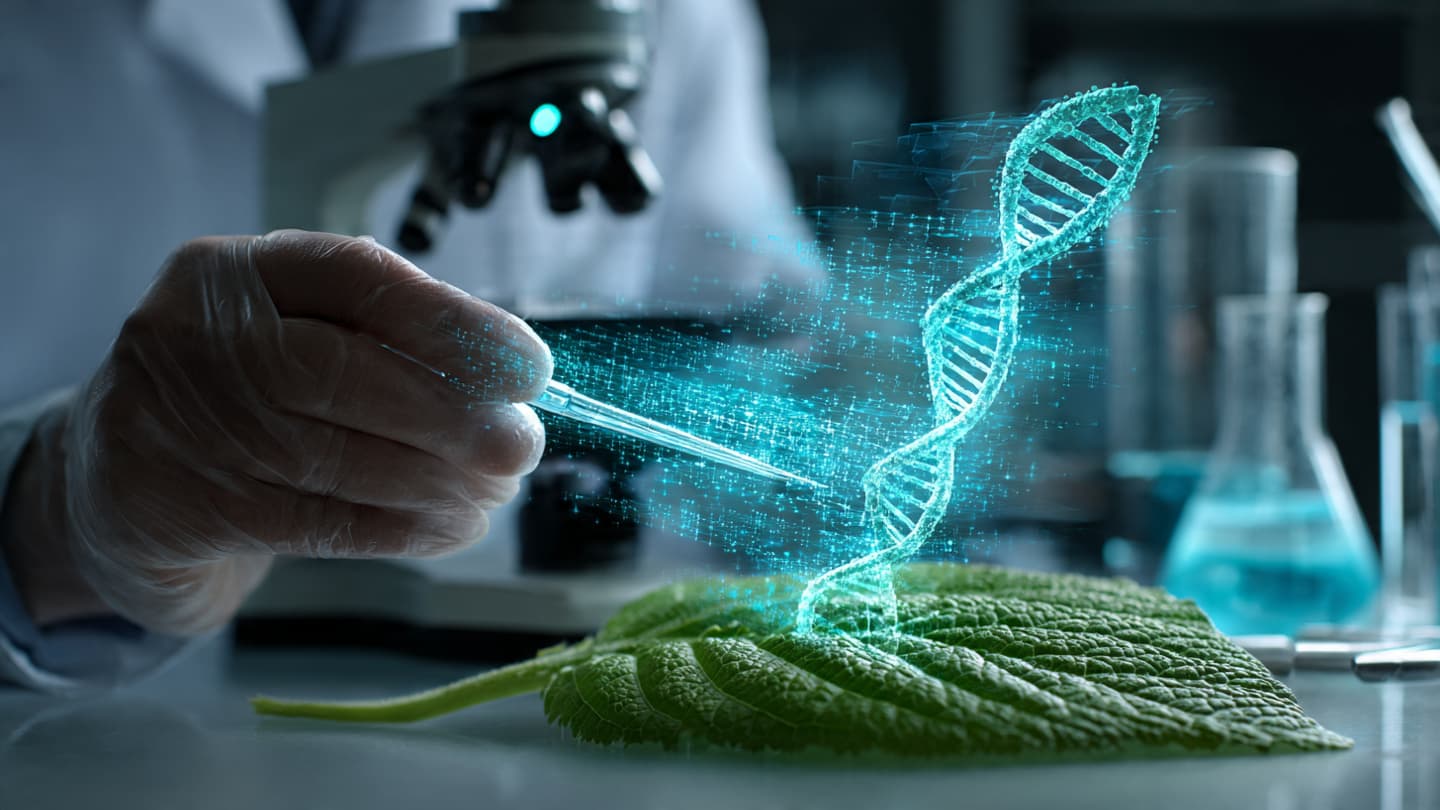
CRISPR technology has become one of the most important tools in this transformation. It allows researchers to make targeted edits in plant DNA, adjusting traits such as color, growth rate, resistance, and nutritional content without introducing entirely foreign genetic material.
Recent research highlighted in scientific publications such as ScienceDaily and Nature reports shows how plants like lettuce and other leafy vegetables can be modified to produce higher levels of beneficial compounds. These changes may improve nutritional value while maintaining natural growth cycles.
The process works like a biological “cut and paste” system, where specific genes are carefully adjusted to enhance desirable traits. In some experiments, plants even display visible changes in color, reflecting deeper biochemical shifts within their cells.
Scientists describe these developments as a step toward more resilient agriculture, especially in a world facing climate instability. Crops that can withstand heat, drought, or poor soil conditions may become increasingly important in ensuring food security.
However, researchers also emphasize caution and long-term study. While CRISPR is precise, biological systems are complex, and unintended effects must always be carefully evaluated before large-scale application.
What makes this field particularly significant is not just the technology itself, but the broader shift it represents: a move toward designing food systems that are more adaptive, efficient, and potentially more sustainable in the face of global change.
In closing, CRISPR-based plant science continues to develop rapidly, offering promising possibilities while also reminding scientists that every genetic change carries both opportunity and responsibility.
AI Image Disclaimer: Images in this article are AI-generated for conceptual illustration.
Sources: Nature, ScienceDaily, Live Science
Published by Banx Network. This article is part of the Banx decentralized media programme, powered by the BXE token on the XRP Ledger.