Some public health challenges fade from global attention only to return as urgent reminders of the importance of vigilance. Diseases that once dominated headlines can reappear unexpectedly, testing healthcare systems and reminding the international community that infectious threats often require sustained attention long after initial outbreaks subside.
Health authorities and international aid organizations have renewed monitoring efforts in the Democratic Republic of Congo following concerns related to Ebola. The disease, which has affected the region multiple times over the past decades, remains one of the world's most closely watched infectious threats.
The Democratic Republic of Congo has extensive experience responding to Ebola outbreaks. Previous responses helped strengthen surveillance networks, laboratory capacity, and emergency coordination systems that are now being activated again as precautionary measures increase.
Medical teams have focused on identifying potential cases, tracing contacts, and ensuring that affected communities receive accurate health information. Early detection remains one of the most important tools for limiting transmission and preventing wider outbreaks.
International health organizations have emphasized the value of cooperation between local authorities, healthcare workers, and global partners. Coordinated responses often play a critical role in containing infectious diseases before they spread across larger geographic areas.
Vaccination strategies developed during previous outbreaks continue to provide important support for response efforts. Advances in medical research have improved the ability of health professionals to manage Ebola compared with earlier periods when treatment options were more limited.
Public communication remains another essential component of disease control. Health experts stress the importance of providing communities with clear, reliable information while addressing misinformation that can undermine prevention efforts.
The situation has also highlighted broader discussions regarding global health preparedness. Infectious diseases can emerge rapidly, making investment in surveillance systems, healthcare infrastructure, and emergency response capabilities increasingly important.
While officials continue assessing developments, health authorities remain focused on containment and prevention. Their efforts reflect a broader commitment to reducing risks while protecting communities from the potential consequences of future outbreaks.
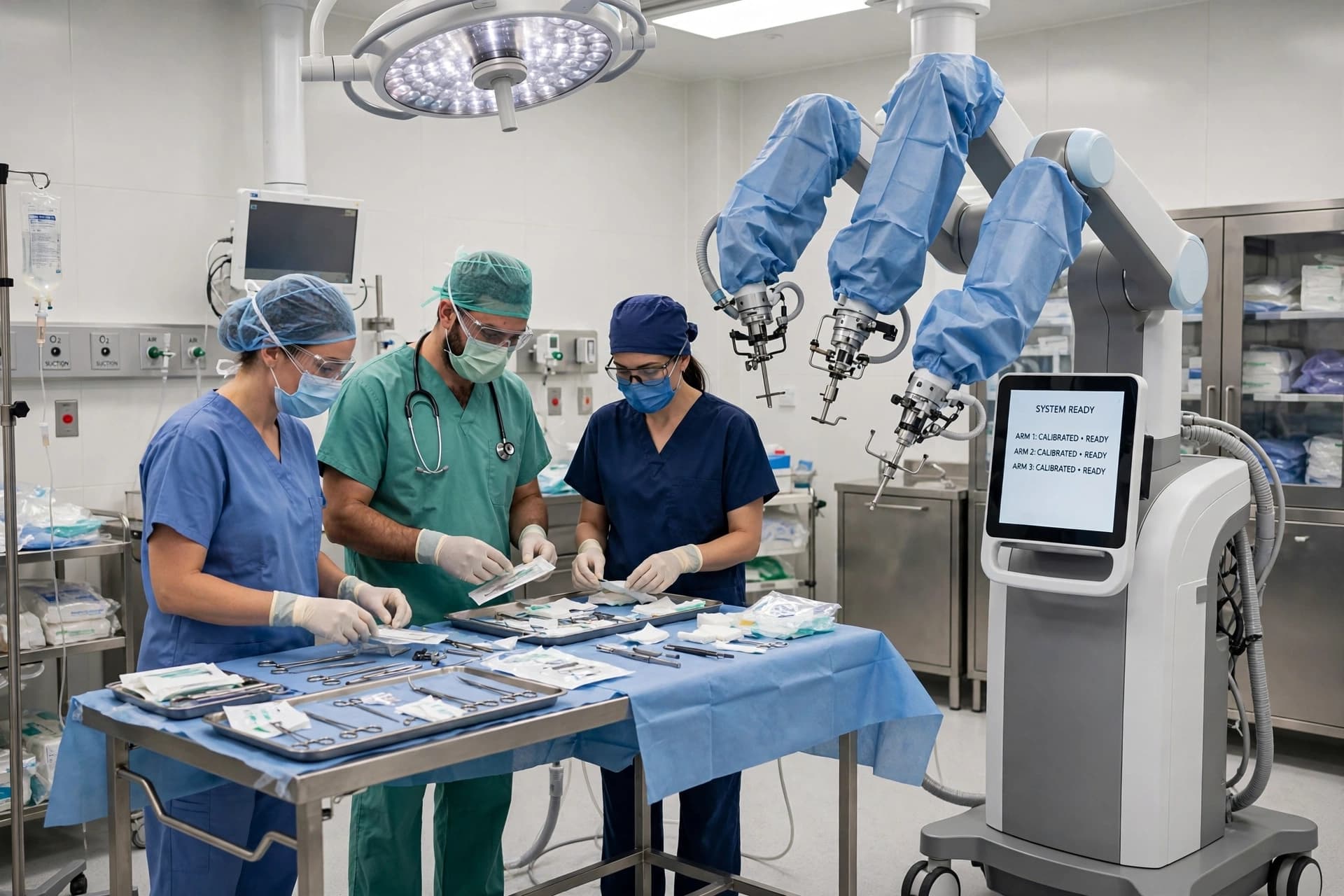
AI Image Disclaimer: This article features an AI-generated illustration created solely for editorial visualization.
Sources Verified: Reuters, World Health Organization (WHO), Associated Press, Africa CDC
Published by Banx Network. This article is part of the Banx decentralized media programme, powered by the BXE token on the XRP Ledger.