There was a time when the question of what constitutes a vehicle was relatively simple. A car was a car. A bicycle was a bicycle. The law, like the rest of us, drew lines and assumed they would hold. But technology has a way of blurring what we once thought was clear, and the spaces between categories are where the most interesting questions live.
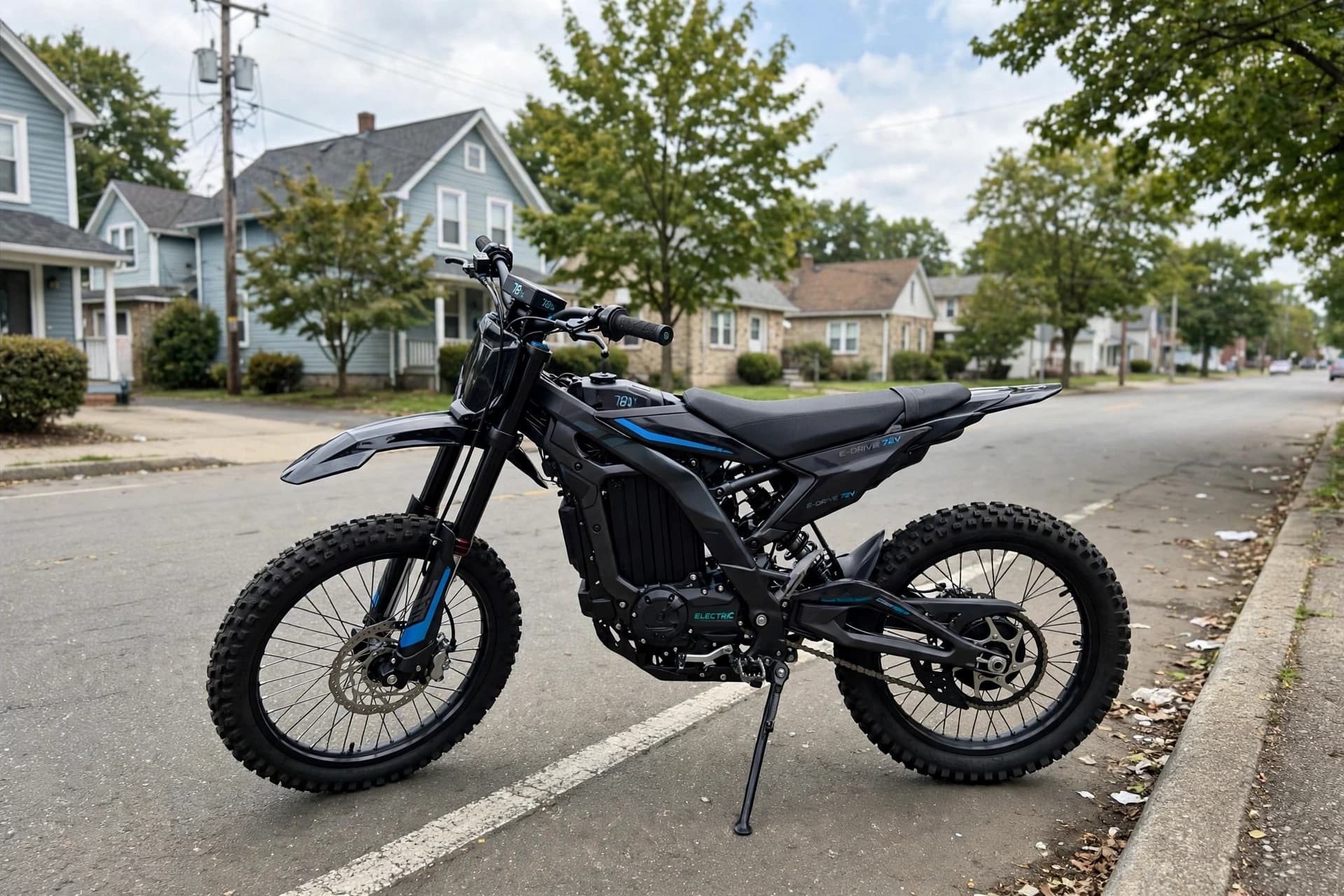
A 34-year-old man from Halfway Point has been charged with impaired driving after fleeing police on an electric dirt bike in Corner Brook. Michael Greene was arrested on September 24 after officers responded to a report of a disturbance at a downtown business. When police attempted a traffic stop, Greene refused to comply and fled on the e-bike. A pursuit was terminated in the interest of public safety, and officers later located him on a dead-end road off Valley Road, where he was arrested after a brief struggle .
Greene refused to provide a breath sample and now faces a series of charges: impaired driving, refusal, flight from police, assaulting a police officer, uttering threats, and resisting arrest. He was held for court .
The case raises a question that Newfoundland and Labrador is already beginning to grapple with. The provincial government has started consultations around potential changes to the Highway Traffic Act to regulate e-bikes and scooters, and a public feedback page on EngageNL closed earlier this month . The conversation is not unique to this province—jurisdictions across Canada are wrestling with how to classify machines that occupy the space between bicycle and motorcycle, between recreation and transportation.
There is a certain logic to treating an electric dirt bike as a vehicle under impaired driving laws. It has a motor. It can reach speeds capable of causing harm. It operates on roads and paths shared with pedestrians and other vehicles. The fact that it lacks pedals or a license plate does not change what it can do to a body when it collides with one. The law, slowly, is catching up to that reality.
For Greene, the charges are serious and the legal process will unfold in court. For the broader community, the case serves as a reminder that the rules of the road are not suspended simply because the machine beneath you is small, or quiet, or new. Responsibility travels with the rider, whatever they are riding.
---
AI Image Disclaimer: The images accompanying this article were generated by artificial intelligence and are not photographs of the actual incident.
Sources: Government of Newfoundland and Labrador, CBC News, VOCM, SaltWire
Published by Banx Network. This article is part of the Banx decentralized media programme, powered by the BXE token on the XRP Ledger.