
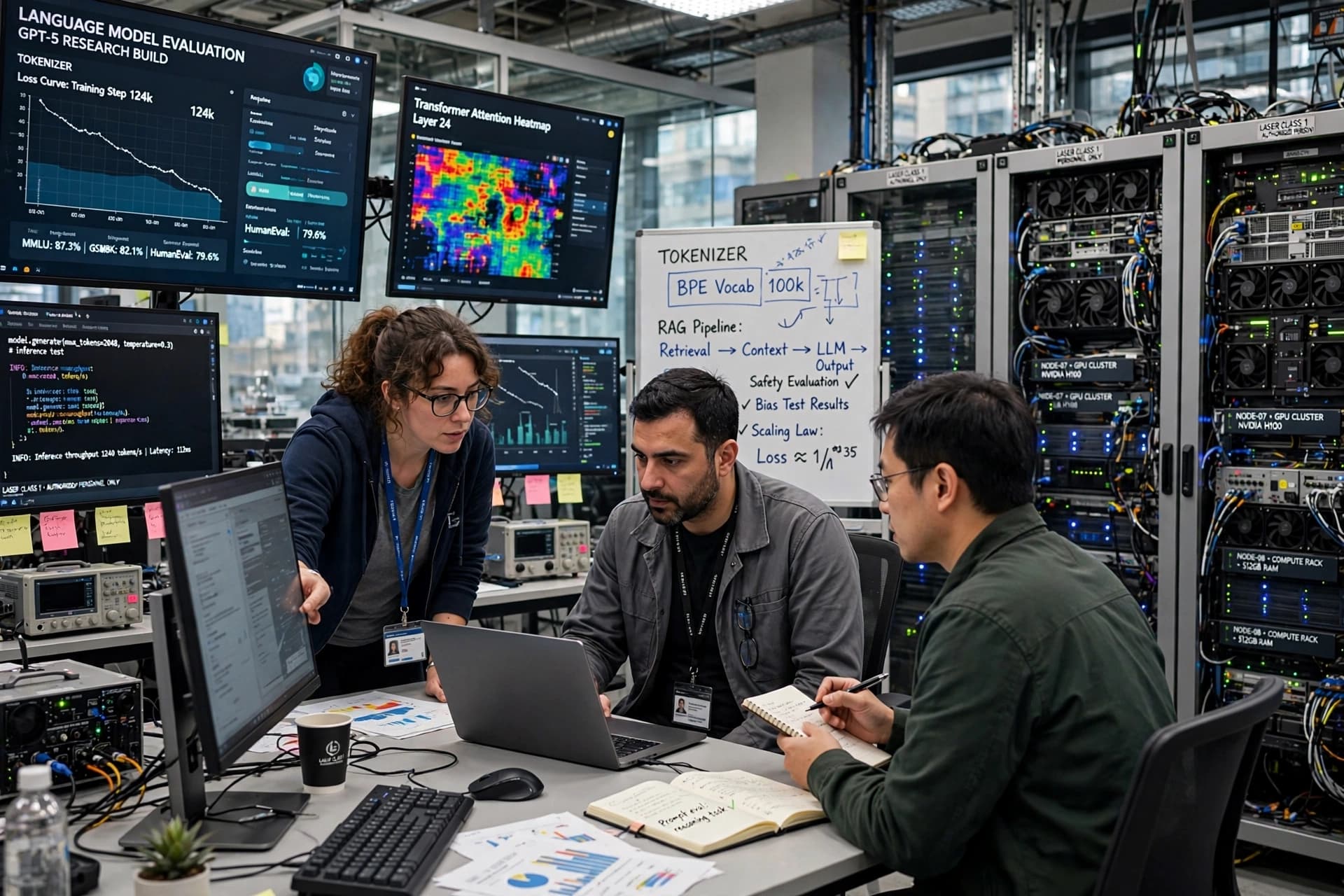
Anthropic has introduced Claude Opus 5.5, adding another advanced model to an artificial intelligence market that continues to move at remarkable speed. The launch comes as technology companies compete to improve reasoning, coding and other demanding capabilities while making AI increasingly useful in professional settings.
The Opus series represents Anthropic’s higher-capability models within the Claude family. With each generation, the company has sought to improve how its systems handle complicated instructions, analyze information and work through tasks that require several steps.
The latest model arrives at a moment when AI development is becoming less about isolated demonstrations and more about practical performance. Developers, businesses and researchers increasingly want systems that can work reliably across longer tasks rather than simply produce impressive individual answers.
Coding remains one of the major areas of competition. AI models are increasingly being used to generate software, examine existing code, identify errors and assist developers with repetitive programming work. Improvements in these areas can affect how companies organize their engineering processes.
Knowledge work is another important part of the market. Writing, research, analysis and document-based tasks can involve large amounts of information, creating opportunities for AI systems that can process context and help users organize complex material.
The competition, however, is not determined by model size alone. Cost, response speed, reliability and the ability to integrate with existing applications can be just as important for organizations considering whether to deploy an AI system at scale.
Anthropic is competing in an environment that includes OpenAI, Google and other major technology companies, each releasing new models and capabilities. The pace of releases has made the AI industry increasingly dynamic, with technical advantages often being measured over relatively short periods.
For users, this expanding selection can create both opportunities and additional choices. A highly capable model may be useful for complicated work, while a smaller or faster system can be more practical for routine tasks that occur thousands of times a day.
The arrival of Claude Opus 5.5 therefore forms part of a broader transition in artificial intelligence. The industry is gradually moving from the question of whether AI can perform sophisticated tasks toward the more practical question of how consistently, efficiently and safely those capabilities can be incorporated into everyday work.
As Anthropic continues developing Claude, the significance of each new model will ultimately depend on how it performs outside demonstrations and within real workflows. The technology race is moving quickly, but for businesses and individual users, usefulness still depends on what these systems can reliably accomplish when placed inside the ordinary rhythm of work.
Image Disclaimer: These illustrations are AI-generated representations of artificial intelligence research and do not depict actual Anthropic facilities, employees or proprietary Claude systems.
Sources: CNA Anthropic AI industry reports
Published by Banx Network. This article is part of the Banx decentralized media programme, powered by the BXE token on the XRP Ledger.



.jpg&w=3840&q=75 "Ukraine’s Ex-Defense Minister Fedorov Announces New “Army of Robots” Initiative")