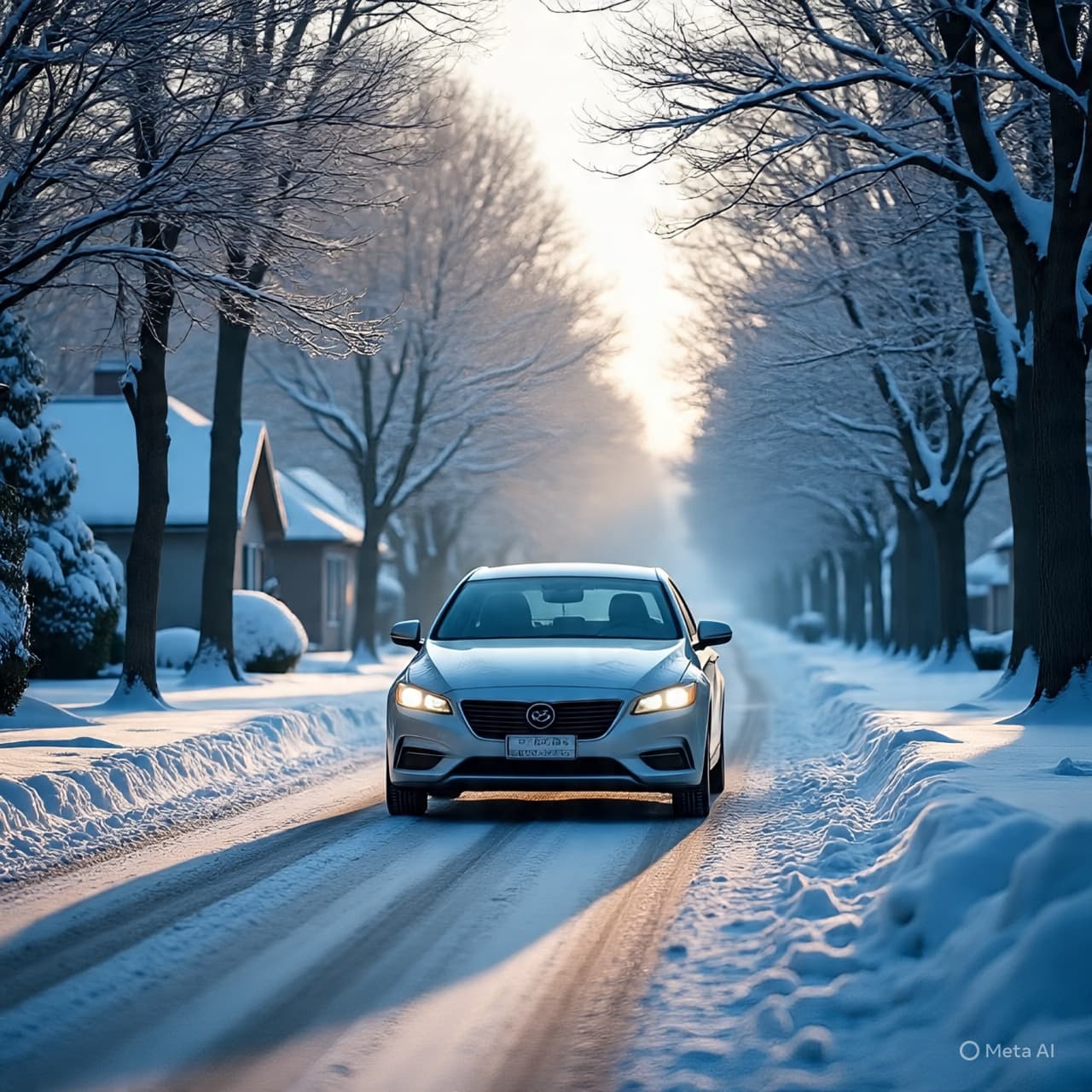
Winter is a season of contrasts — tranquil landscapes softened by snow, and roads that may conceal unexpected treachery beneath their sparkling surfaces. For drivers, this time of year requires a delicate balance of attentiveness and preparation, a reminder that even short journeys carry unseen risks. With a few thoughtful adjustments, however, it is possible to embrace the quiet beauty of winter while ensuring that each trip ends safely.
One of the simplest yet most important steps is preparation. Tires should be suited for icy and snowy conditions, with treads capable of gripping slick surfaces. Checking tire pressure, ensuring brakes are responsive, and maintaining windshield wipers and washer fluid are modest efforts that pay significant dividends on frosted mornings. Experts often stress that readiness begins long before the engine starts — a mindset of caution and foresight that frames every decision behind the wheel.
Equally vital is adjusting one’s driving style to the season. Acceleration, braking, and steering must all be gentler, slower, and more deliberate. Maintaining a safe following distance allows time to respond to unforeseen skids or sudden stops. In winter, haste is a quiet hazard, while patience is a silent protector.
Visibility, too, demands careful attention. Snow, fog, and early darkness can reduce the distance at which drivers can spot obstacles or other vehicles. Keeping headlights clean and in good working order, using low beams in falling snow, and ensuring windows are fully defrosted can prevent small obstacles from becoming large threats.
Beyond the vehicle itself, the driver’s mindset matters. Winter driving calls for alertness and avoidance of distraction. Planning routes ahead, checking weather conditions, and leaving extra time for journeys can alleviate pressure and reduce the likelihood of risky maneuvers. Even small gestures, like clearing snow from mirrors or observing posted speed limits, compound to create a safer experience.
In addition, experts suggest that carrying a modest winter emergency kit — blankets, a flashlight, a small shovel, snacks, and extra warm clothing — offers reassurance and practical assistance should circumstances change unexpectedly. Preparedness is both a practical safeguard and a comforting element that reduces stress in challenging conditions.
Ultimately, winter driving is a negotiation between nature’s rhythms and human intention. By combining careful preparation, mindful driving, and attentiveness to the road, drivers can navigate snow‑covered streets with confidence and poise. Each journey, approached with patience and respect for the season, is an opportunity to arrive not only safely, but with a sense of quiet accomplishment.
🖼 AI Image Disclaimer “Illustrations were produced with AI and serve as conceptual depictions.”
🗞 Sources (credible mainstream/niche) AAA (American Automobile Association) National Highway Traffic Safety Administration (NHTSA) Edmunds.com (Winter Driving Tips) Consumer Reports (Vehicle Safety & Winter Preparedness) AAA Newsroom
Published by Banx Network. This article is part of the Banx decentralized media programme, powered by the BXE token on the XRP Ledger.