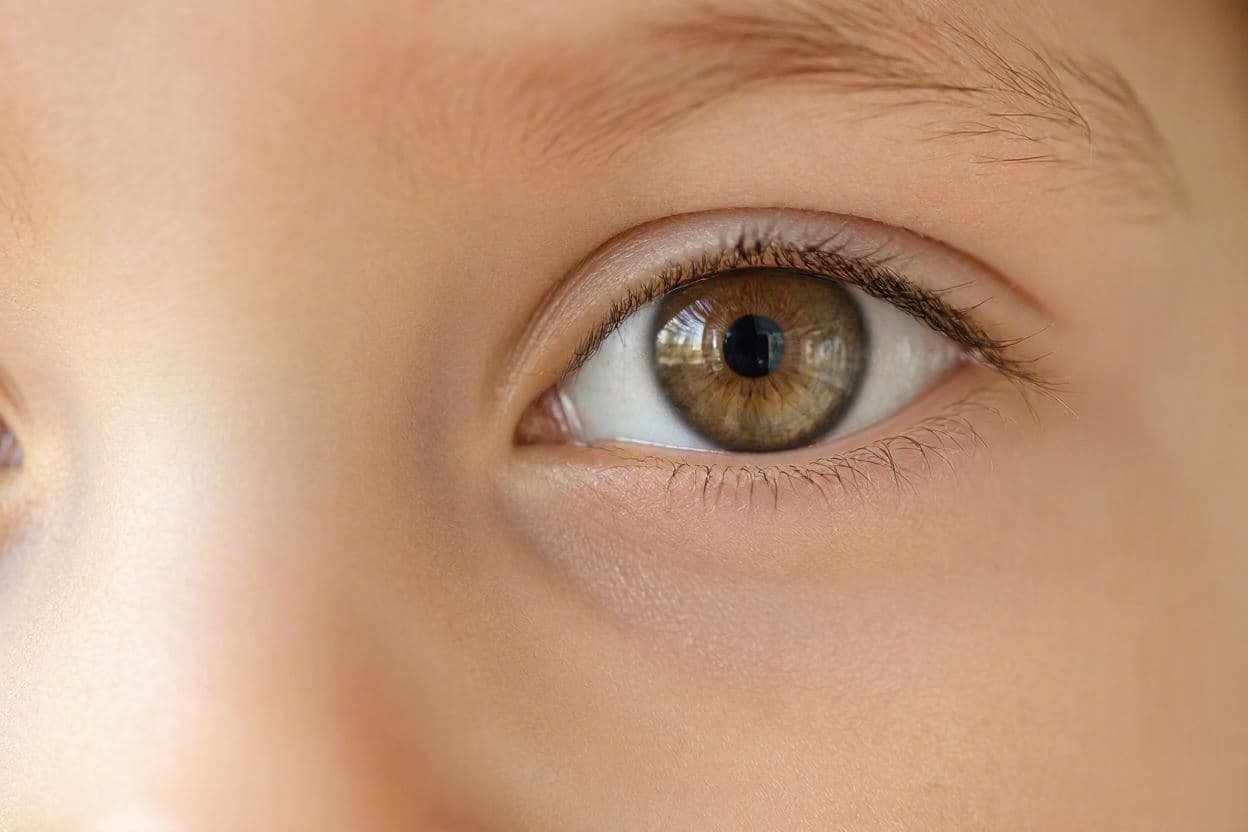
The eyes are often called the windows to the soul, but for scientists studying attention, they may also be mirrors of the mind’s intricate machinery. In a recent study, researchers tracked the subtle fluctuations in children’s pupils, uncovering a delicate rhythm that hints at the presence of Attention Deficit Hyperactivity Disorder (ADHD). This discovery is not just a technical achievement but a gentle invitation to understand neurodiversity through a new lens. It suggests that beneath the visible behaviors of restlessness or distraction lies a physiological signature, quiet yet distinct, waiting to be heard.
The study reanalyzed eye-tracking data from children engaged in cognitive tasks, focusing on the minute changes in pupil size that occur as the brain processes information. These changes, known as pupillary light reflexes and cognitive load responses, are involuntary and linked to the autonomic nervous system. For children with ADHD, the pattern of these fluctuations differed subtly from their peers, showing a unique variability that correlates with attentional control. It is a finding that moves beyond behavioral observation to explore the biological underpinnings of focus.
For parents and educators, this insight offers a potential tool for earlier and more objective identification of ADHD. Currently, diagnosis relies heavily on subjective reports and behavioral checklists, which can vary widely in interpretation. A physiological marker, even a subtle one, could provide additional context, helping to distinguish between typical developmental variations and neurological differences. It promises a future where support is tailored more precisely to individual needs, reducing stigma and misunderstanding.
However, the researchers caution against viewing this as a definitive diagnostic test. The "flicker" they observed is a correlation, not a cause, and it exists within a complex web of genetic, environmental, and psychological factors. It is a piece of the puzzle, not the whole picture. The goal is not to label children based on a single metric but to deepen our understanding of how their brains engage with the world. This nuanced approach respects the diversity of human cognition.
The implications for treatment are also worth considering. If pupil dynamics reflect attentional states, they could potentially be used to monitor the effectiveness of interventions, whether behavioral or pharmacological. This real-time feedback could help customize strategies, ensuring that each child receives the support that works best for them. It shifts the focus from managing symptoms to optimizing function, empowering children to thrive in their own unique ways.
Moreover, this research highlights the importance of non-invasive methods in studying child development. Eye-tracking is safe, comfortable, and engaging for young participants, making it an ideal tool for longitudinal studies. It allows scientists to observe natural responses without the stress of more intrusive procedures. This ethical consideration is crucial in building trust and ensuring that research benefits the communities it serves.
As we look to the future, the integration of such physiological insights into clinical practice will require careful validation and broad consensus. It invites collaboration between neuroscientists, clinicians, and families to ensure that new tools are used wisely and compassionately. The journey from discovery to application is long, but it is paved with the hope of better outcomes for children who think differently.
In the end, the subtle flicker of the pupil is a reminder of the complexity and beauty of the human brain. It encourages us to look closer, listen deeper, and appreciate the diverse ways in which minds work. Let this discovery inspire a more empathetic and informed approach to ADHD, one that sees not just a disorder, but a different way of being.
Note: The visual elements accompanying this article are AI-generated interpretations designed to reflect the themes of scientific inquiry and human biology.
Sources: ScienceAlert, Nature Scientific Data, Yahoo News, AAP Pediatrics Open Science
Published by Banx Network. This article is part of the Banx decentralized media programme, powered by the BXE token on the XRP Ledger.