In early January, when winter’s grey light still lingered over Beijing’s wide boulevards, China announced that its economic odometer had ticked up by 5% last year — just as leaders had hoped. It was a milestone welcomed with a collective exhale: a sprawling economy, buffeted by global uncertainties, appeared to have kept its footing on a narrow path. Yet, when one looks closer, the story resembles not a straight line but a meandering river, finding its way through unexpected terrain before arriving at its destination.
For years, China’s economic narrative was one of thunderous internal demand, bustling cities, and urban households driving consumption. That picture has softened, and in recent quarters the reflection in official numbers appears more like a mosaic of mismatched fragments — strong threads of exports woven together with softer threads of tepid domestic spending and cooling property markets.
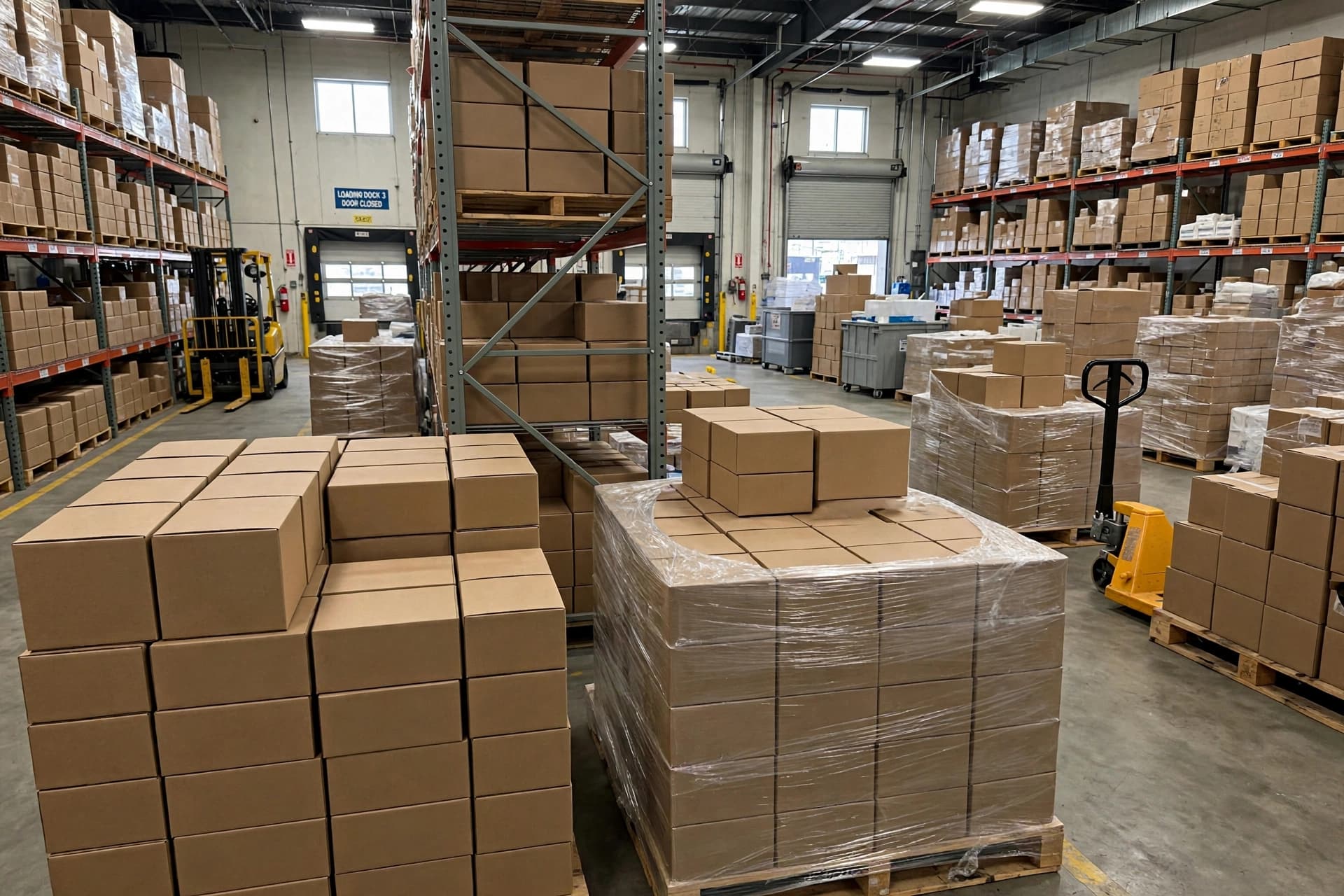
Official figures show that exports to markets beyond the United States surged, helping China post a record trade surplus, even as shipments to the U.S. fell under the weight of tariff skirmishes. That external appetite provided the buoyancy necessary to steady the GDP figure. At the same time, local consumption — once the warming core of the economy — showed flickers rather than flames. Retail sales grew, yes, but at modest paces. Investment in infrastructure and property continued its long retreat.
In the fourth quarter, growth cooled further, its pace the slowest in some time, yet the annual tally still crossed the aspirational 5% line. It was a reminder that economies are not monoliths but accumulations of countless decisions by households, firms, and foreign buyers buying machinery and manufactured goods. What carried the year was not the spontaneous burst of domestic vigor conjured in planners’ dreams, but a mosaic of external demand, targeted fiscal adjustments, and the inertia of production networks that link China to consumers far beyond its borders.
Economists outside official circles remind us gently that data can be as much an art as a science — a representation shaped by measurement choices and evolving structural realities. Whether the numbers, as reported, capture the lived experience of millions within China is a question that will continue to invite thoughtful inquiry and debate.
By year’s end, as national planners look ahead to new goals, they do so from a vantage point both reassuring and sobering. The reassuring part is that the figurative compass remained pointed toward growth. The sobering part is that the path to that growth did not follow the contours once imagined, instead winding through distant markets and relying on circuits of production and trade that lie far beyond many consumers’ daily lives.
AI Image Disclaimer (rotated wording) “Visuals are created with AI tools and are not real photographs.”
Sources Based on Sources Role Main credible sources used:
• Reuters
• Reuters (economic snapshot)
• Associated Press
• South China Morning Post
• The Economist
Published by Banx Network. This article is part of the Banx decentralized media programme, powered by the BXE token on the XRP Ledger.