In the crowded heart of Mexico City, amid the rising steel of skyscrapers and the echoing calls of street vendors, a new kind of shift has emerged — not on the bustling avenues or subway lines, but in the ledger books of global trade. Like a sudden gust redirecting a once‑steady breeze, Mexico’s government has moved to erect significant tariffs of up to 50% on imported goods, a decision that resonates from local markets to distant factories in Asia. What might seem to many a distant economic maneuver is, in fact, a story of national identity, political currents, and the delicate balance between competition and cooperation in a deeply interconnected world.
The Senate of Mexico recently approved changes to the country’s Law of General Import and Export Duties, which will impose new tariff rates — from as low as 5% to as high as 50% — starting January 1, 2026. These levies apply to more than 1,400 product categories imported primarily from countries without free‑trade agreements with Mexico, notably China as well as other Asian exporters such as India, South Korea, Vietnam, Thailand and Indonesia.
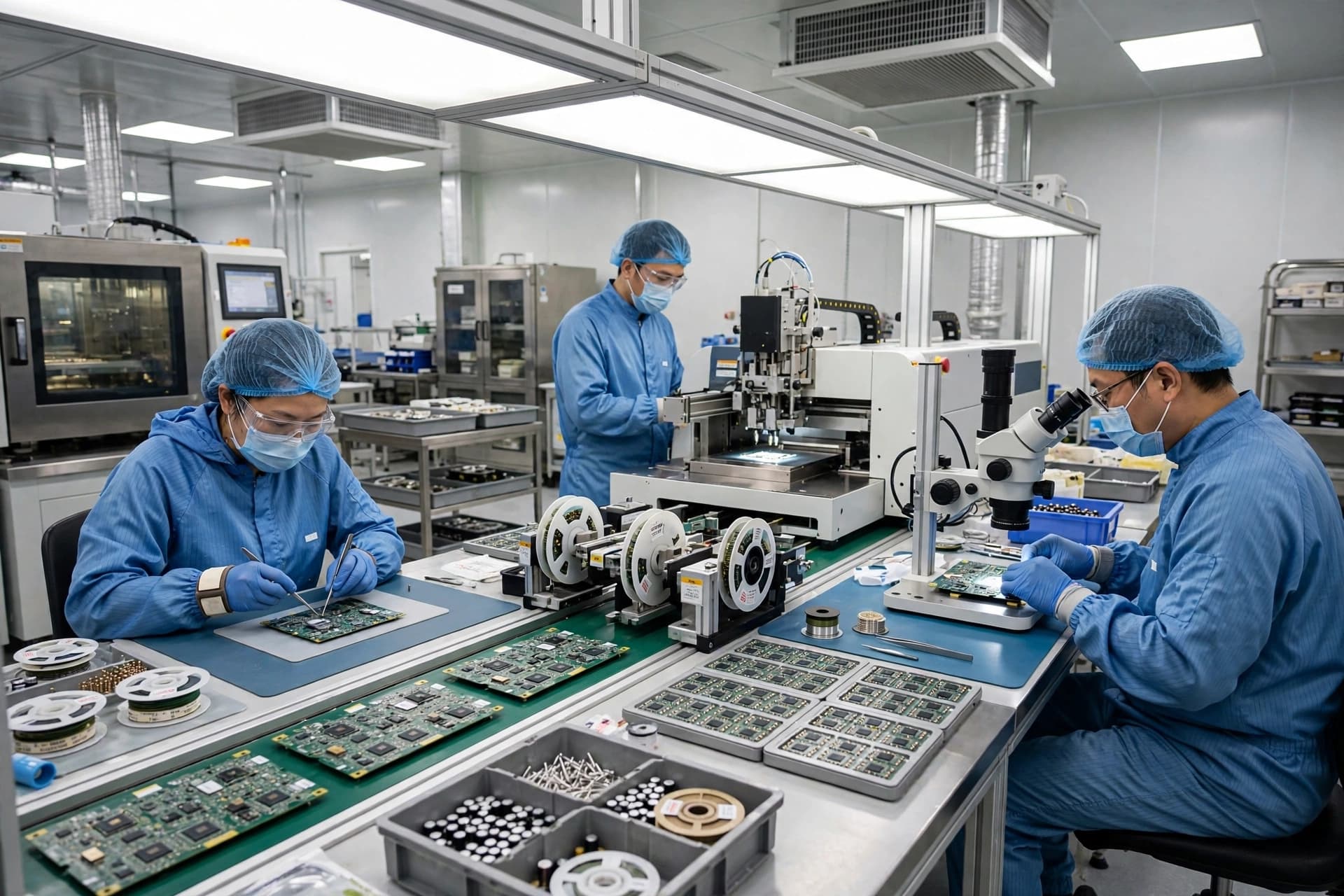
For Mexican leaders, the move represents a strategy to protect and stimulate domestic production. President Claudia Sheinbaum and government officials have emphasized that these duties are not aimed at any single nation, but rather at bolstering local industries that have long struggled to compete against lower‑cost imports. Sectors including textiles, automotive parts, appliances and plastics are among those most affected by the new structure.
“We seek to strengthen productive capacity in Mexico,” Sheinbaum explained, noting that the expanded tariffs align with broader economic objectives and are designed to encourage investment in domestic manufacturing. She stressed that consultations with business groups occurred prior to approval to mitigate potential negative impacts on prices for consumers and local firms.
But the shift has stirred concerns at home and abroad. China, whose exports to Mexico account for a substantial share of imported goods, voiced strong objections, urging Mexican authorities to “correct their practices of unilateralism and protectionism as soon as possible.” Beijing warned that the new tariffs could harm bilateral trade relations and called for continued dialogue to preserve cooperative economic ties.
Local business associations and economists in Mexico have also cautioned that higher costs on imported intermediate goods — such as components and raw materials essential to manufacturing — could ripple through supply chains. These effects could, in turn, raise production costs for Mexican exporters and inflate prices for consumers already grappling with economic pressures.
Beyond immediate economic impacts, the tariffs are seen as part of a broader geopolitical landscape. Analysts suggest Mexico’s move may align, in part, with shifting expectations from major trading partners — particularly the United States — as North America prepares for an upcoming review of the US‑Mexico‑Canada Agreement (USMCA). Some observers argue that tighter tariff frameworks could be used to counter concerns about Mexico functioning as a conduit for Asian goods entering the U.S. market under preferential terms.
As January approaches, the coming months will help reveal whether these tariffs succeed in nurturing homegrown industries or instead reshape Mexico’s trade relationships in unpredictable ways. In the meantime, the decision signals a decisive moment in Mexico’s economic narrative — where global ties, domestic aspirations and the rhythm of everyday markets intersect in unexpected ways.
AI Image Disclaimer Illustrations were produced with AI tools and serve as conceptual depictions, not real photographs.
Sources Reuters Bloomberg EFE News Euronews Associated Press
Published by Banx Network. This article is part of the Banx decentralized media programme, powered by the BXE token on the XRP Ledger.