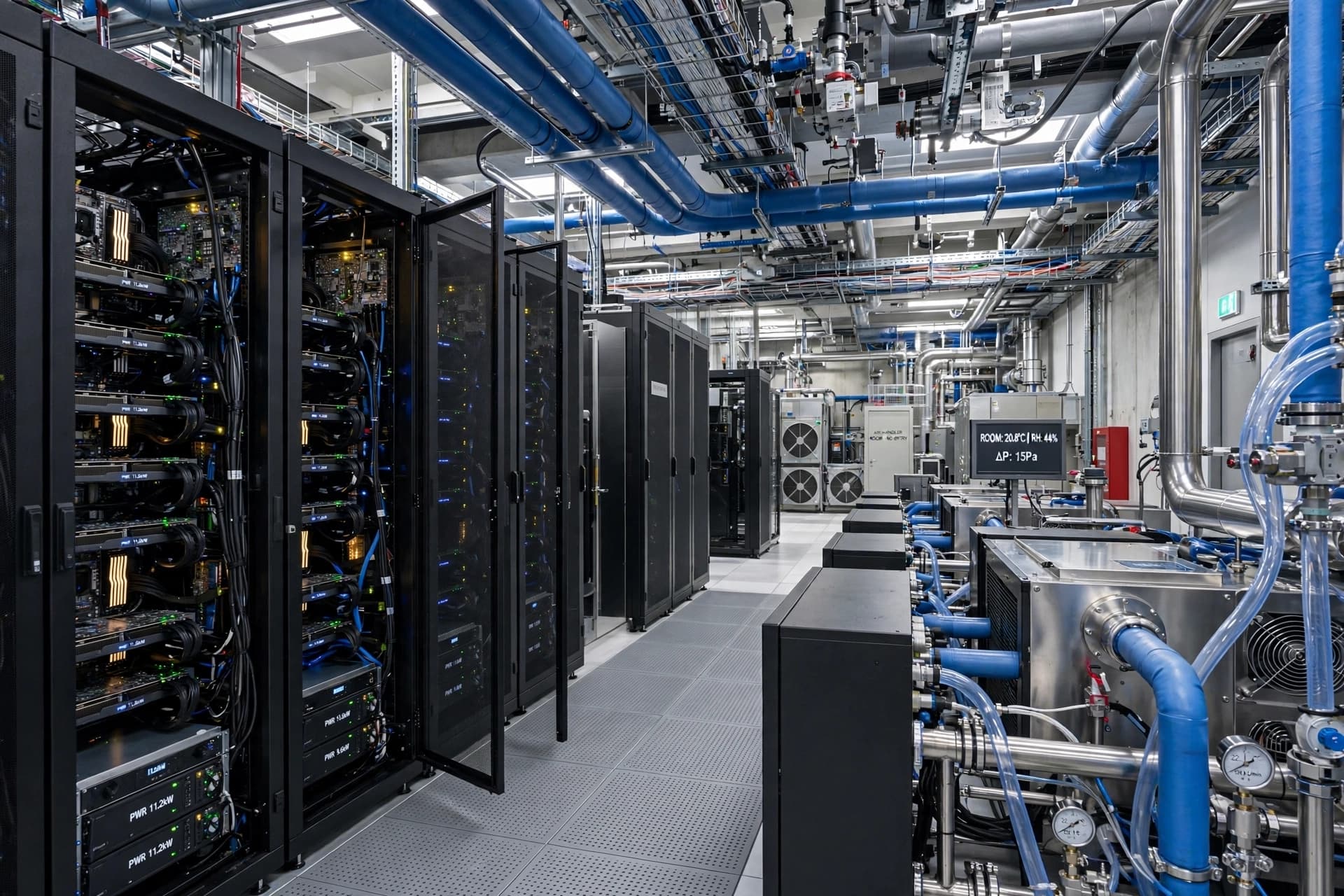
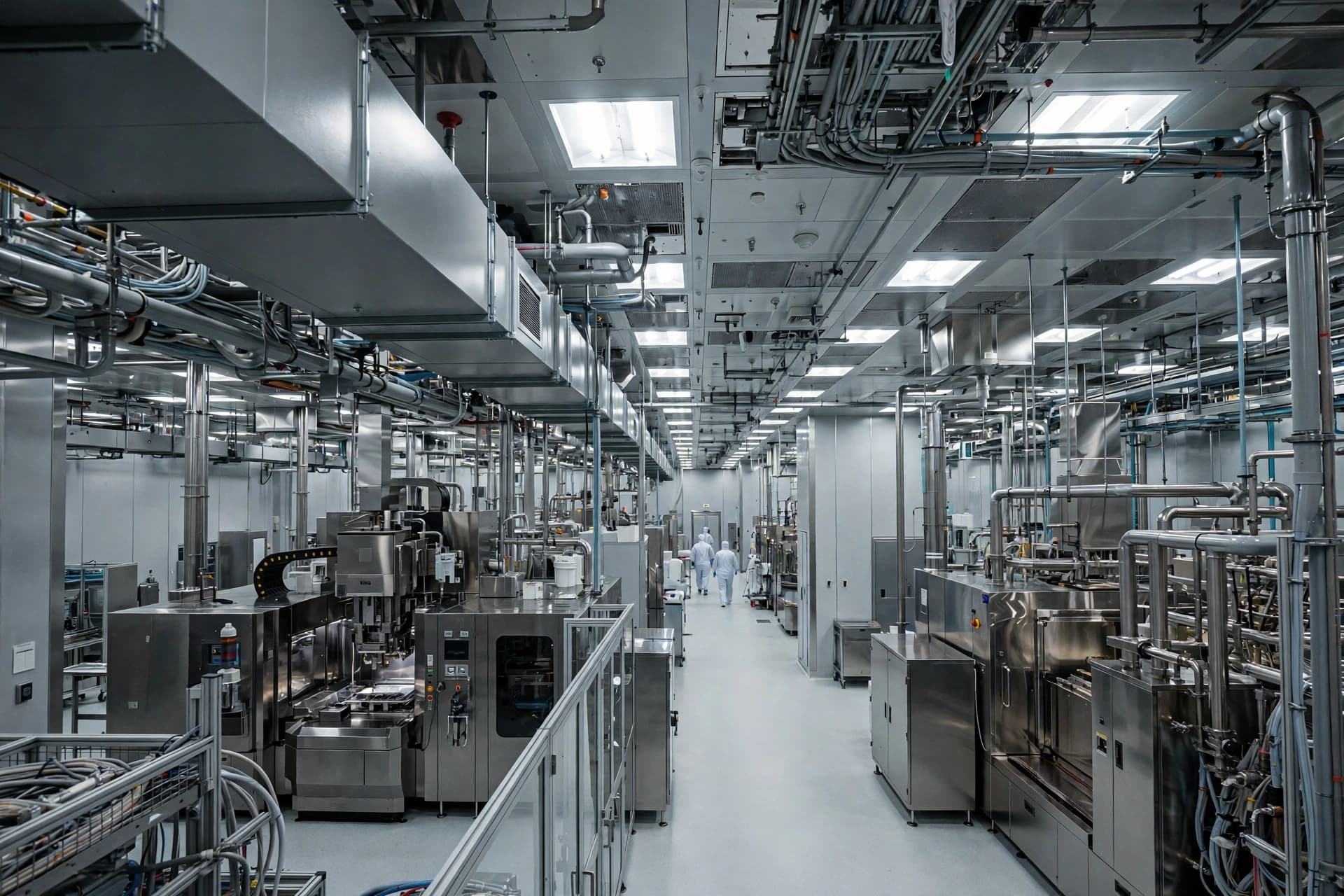
A quiet revolution is unfolding in the energy world—one that could reshape how nations generate power for decades to come. At the center of this transformation is modular nuclear technology, championed by organizations like the Office of Nuclear Energy. Their focus on Small Modular Reactors (SMRs) signals a decisive move away from the era of massive, single-site nuclear plants toward a more flexible, scalable future. SMRs are designed to produce between 50 and 350 megawatts of electricity, using proven light-water reactor systems that have powered grids safely for years. But unlike traditional reactors, these units are compact and factory-built, allowing them to be transported and installed with far greater speed and efficiency. This shift from on-site mega construction to controlled manufacturing environments drastically reduces delays, cost overruns, and complexity. What truly sets SMRs apart is their adaptability. Energy providers are no longer forced to commit to enormous upfront investments. Instead, they can deploy reactors incrementally, scaling capacity as demand grows. This model is particularly valuable for developing economies and remote regions where energy needs are rising but infrastructure remains limited. Safety remains at the core of SMR innovation. These reactors incorporate advanced passive safety systems, meaning they rely on natural forces such as gravity and heat circulation to shut down safely in emergencies. This eliminates dependence on external power or human intervention, offering a new level of reliability and public confidence in nuclear energy. Beyond safety and economics, SMRs bring unmatched versatility. They can operate in diverse environments—from industrial hubs to isolated communities—while using less land and fewer resources. Their compatibility with renewable energy systems also makes them ideal for hybrid grids, ensuring consistent power even when solar or wind output fluctuates. As the global push for cleaner energy intensifies, modular nuclear is emerging as a powerful solution. It bridges the gap between sustainability and stability, offering low-carbon energy without sacrificing reliability. Countries investing in SMRs are not just upgrading infrastructure—they are future-proofing their economies. The question is no longer whether nuclear energy has a place in the future, but how it evolves to meet modern demands. With SMRs, that evolution is already underway—smaller in size, but massive in impact.
Published by Banx Network. This article is part of the Banx decentralized media programme, powered by the BXE token on the XRP Ledger.