The Earth rarely speaks in a voice we can hear. More often, it whispers through numbers, subtle measurements, and quiet shifts beneath our feet. In the far south, where winds carve the ice like patient sculptors, scientists have been listening closely. And what they hear is not a crack or a roar, but a gentle tug — a change in gravity itself.
Antarctica’s so-called “gravity hole,” formally known as a gravity anomaly, is not a hole in the usual sense. No crater yawns open, no chasm splits the ice. Instead, it is a region where Earth’s gravitational pull is slightly weaker than surrounding areas. Satellites, acting like careful surveyors in orbit, detect these variations by measuring how mass is distributed below. Ice, rock, and even moving water all play a part in shaping gravity’s fingerprint.
For years, this anomaly has been known to scientists, like a faint note in a long symphony. But recent observations suggest the signal has been growing stronger. As Antarctic ice melts and shifts, the mass balance of the continent changes. When heavy ice sheets thin or retreat, the gravitational pull they exert also changes. At the same time, the Earth’s crust beneath the ice can slowly rebound upward, a process called isostatic adjustment. Together, these processes subtly reshape gravity in the region.
Some researchers also connect the anomaly to deep Earth structures — ancient mantle dynamics and variations in density far below the crust. In this view, Antarctica’s gravity story is not only about today’s climate but also about geological memories stretching back millions of years. The continent becomes a layered archive, recording both surface climate and deep planetary processes.
None of this signals sudden danger. A “gravity hole” does not swallow landscapes or disrupt daily life. Instead, it offers scientists another lens to observe how our planet evolves. Gravity measurements help track ice loss, sea-level contributions, and the pace of environmental change. They are part of a broader toolkit that includes satellites, ice cores, and climate models.
In the quiet laboratories where these numbers are studied, the mood is often one of curiosity rather than alarm. Each new dataset is like another page in a long diary written by the Earth itself. The strengthening anomaly is less a warning siren and more a reminder that our planet is dynamic, responsive, and always in motion.
For now, researchers continue to watch, measure, and compare. The gravity anomaly over Antarctica remains an object of study, not a cause for panic. It is one more subtle signal from a complex planet — a gentle tug on the instruments, inviting us to understand a little more about the world beneath the ice.
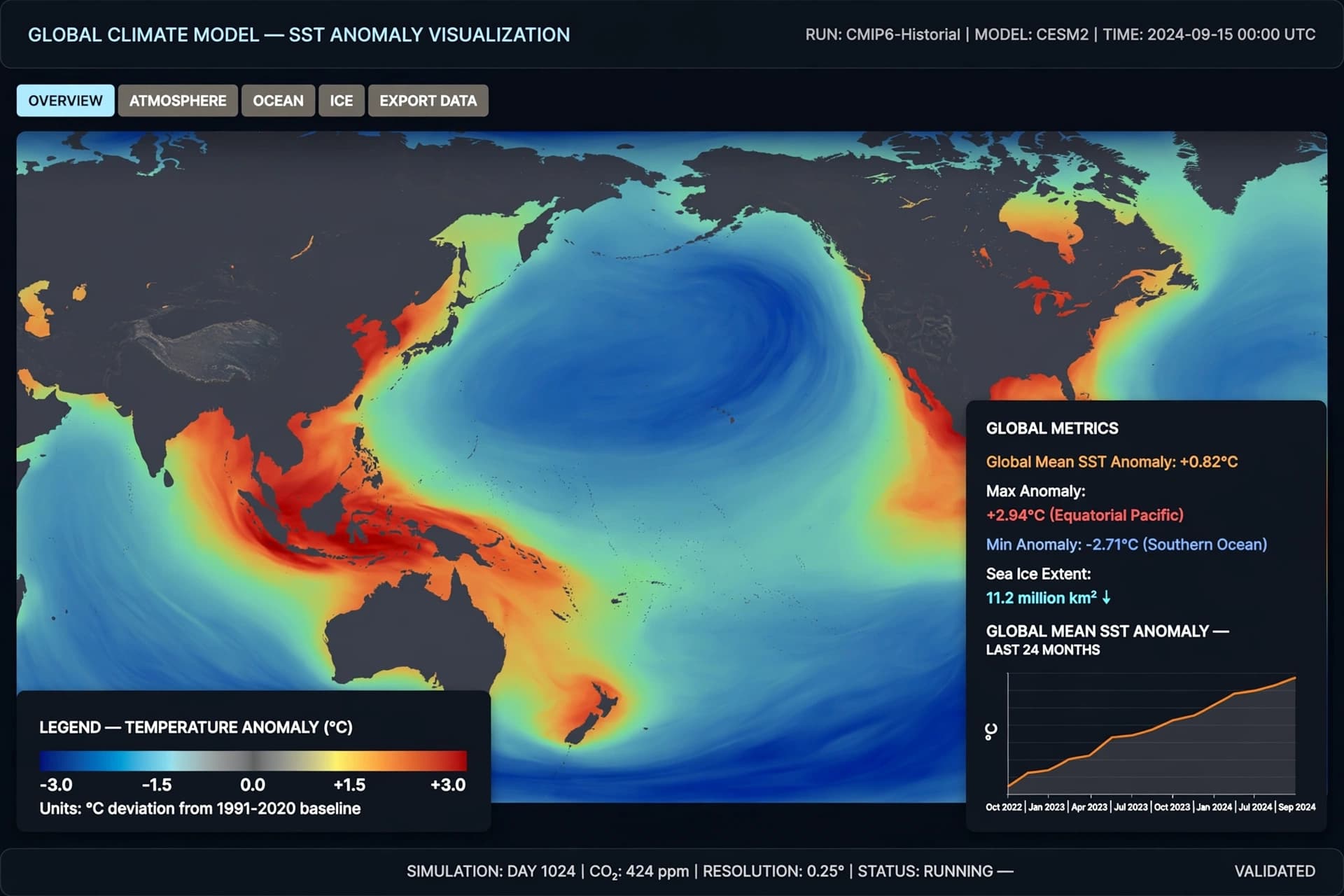
AI Image Disclaimer Graphics are AI-generated and intended for representation, not reality.
Sources NASA Earth Observatory Live Science ScienceAlert The Guardian National Geographic
Published by Banx Network. This article is part of the Banx decentralized media programme, powered by the BXE token on the XRP Ledger.