Deep in the Valley of the Kings, time is running thin. The tomb of Pharaoh Tutankhamun — the boy-king whose resting place redefined archaeology — now stands on the brink of collapse. A fissure has appeared in its ceiling, a wound worsened by water seeping into the ancient rock. What once preserved a dynasty’s glory is now being undone by the slow, patient hand of erosion.
Experts from Egypt’s Supreme Council of Antiquities and international restoration teams describe the tomb as being in its most fragile state since its discovery in 1922. The structure rests in Esna shale, a soft rock notorious for swelling and contracting with changes in humidity. Over the decades, thousands of visitors, combined with natural moisture and temperature shifts, have accelerated its decay. The delicate balance that kept Tutankhamun’s chamber intact for 3,300 years is faltering.
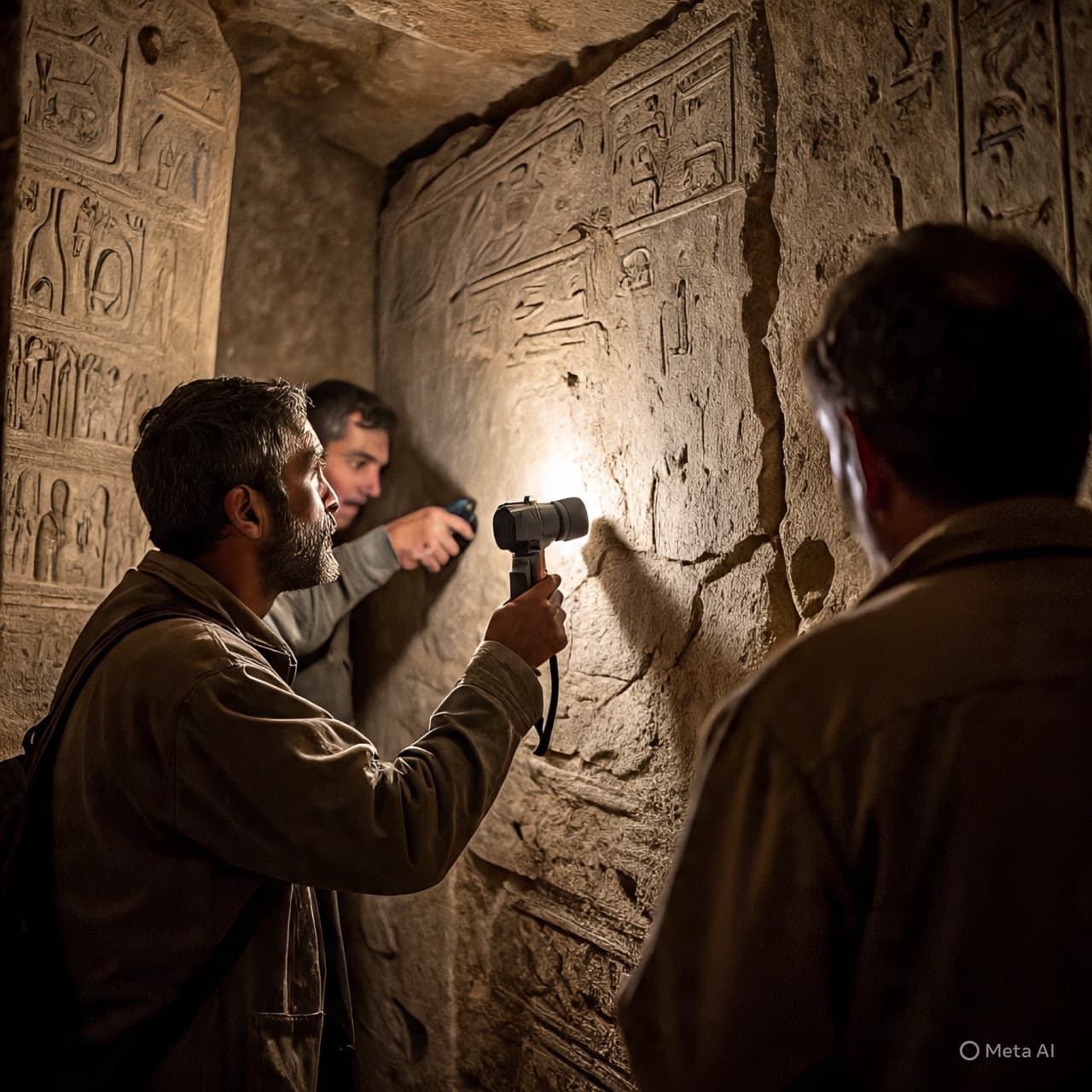
Recent scans reveal that the fissure has widened, placing strain on the ceiling and threatening the exquisite paintings that adorn the burial chamber. Conservationists warn that without immediate stabilization — possibly involving advanced resin supports and climate-control sealing — the tomb could suffer irreversible structural damage.
The Egyptian Ministry of Tourism and Antiquities has been briefed, and emergency funding discussions are reportedly underway. Yet time, in archaeology, is not infinite. Even the smallest delay risks letting history crumble into dust.
For many, Tutankhamun’s tomb has been more than a monument — it is a mirror to human wonder, the discovery that sparked the world’s fascination with ancient Egypt. Now, it faces its own mortality, reminding us that eternity, even in stone, must still be protected by human hands.
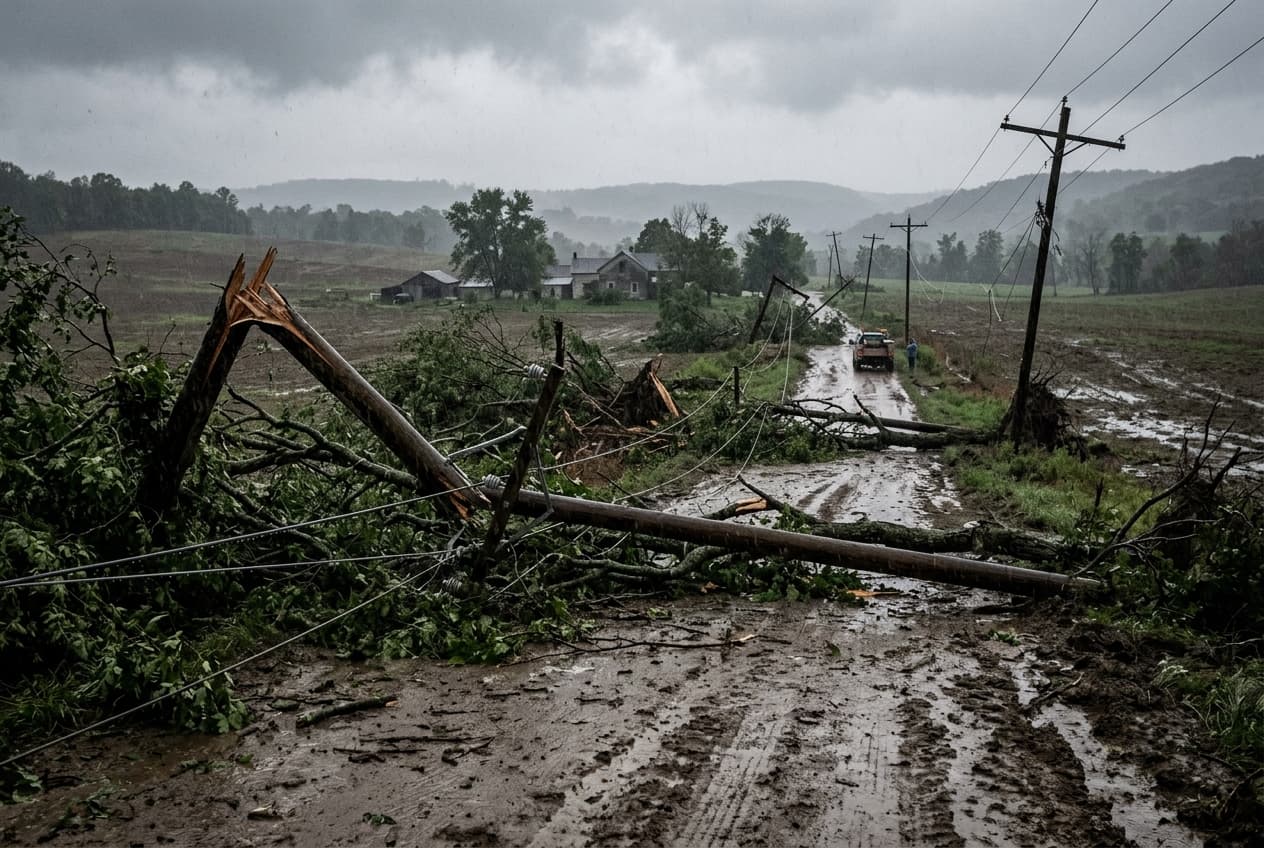
AI Image Disclaimer: Images are AI-generated and do not depict real archaeological damage or events.
Sources: National Geographic The Guardian Reuters BBC News Egypt Independent
Published by Banx Network. This article is part of the Banx decentralized media programme, powered by the BXE token on the XRP Ledger.