Sometimes the world of finance feels like a river in late winter — where currents bend, slow, and shift under an unseen rhythm. Markets and policymakers alike peer down the bends not knowing what the next bend will reveal: clearer water or a barbed snag. In this season of monetary uncertainty, a question hangs in the air like mist over still waters: Is another interest rate hike on the way?
The story of interest rates in the United States and across the globe in 2026 is one of shifting signals. After a cycle of tightening that stretched for years, the Federal Reserve eased three times toward the end of 2025, lowering the federal funds rate to its most accommodative level in several years — a softening of policy that signaled a new chapter after a long period of restraint. Yet even as the rate cuts offered a sense of relief, whispers of caution remain in the background. Inflation — though not runaway — hovers above the Fed’s 2% target and job market statistics reveal a still-resilient labor picture.
Economists and market analysts often describe interest rate movements as a dance between two forces: the tug of inflation and the pull of economic growth. The Federal Open Market Committee’s recent meetings have reflected this delicate tempo, with policymakers holding rates steady even as future rate paths remain contested. Some forecasts once leaned toward additional easing; others now suggest that the Fed may keep policy on pause through much of 2026, waiting to see how inflation, employment, and economic output evolve in coming months.
Across the Pacific, other central banks are charting different courses. The Bank of Japan, for example, has raised rates to levels not seen in decades, hinting at further hikes later in 2026 to counter persistent price pressures. And in Europe, projections vary between a “higher for longer” stance and cautious holding patterns that reflect uneven inflation and growth dynamics. tral bank decisions underscores an important truth: while interest rate expectations shift like seasons, overarching certainty remains rare. Some market observers believe further cuts might be on the horizon rather than hikes, albeit not without the occasional pause or pivot should inflation re-accelerate or economic data surprise to the upside. Others argue that prolonged strength in certain sectors — particularly employment and wages — could prompt central banks to reconsider their stance, potentially edging toward tighter policy once more as the year stretches on.
In essence, the question of whether another interest rate hike is on the way cannot be answered with a simple “yes” or “no.” What’s clear is that policymakers are listening to a chorus of data, balancing the twin mandates of price stability and economic resilience. Each new inflation report, each labor statistic, each economic forecast adds a note to this ongoing composition.
As we watch this economic cadence unfold, the path of interest rates in 2026 looks less like a straight road and more like a winding trail — one where the destination is shaped by the terrain as much as by the journey itself
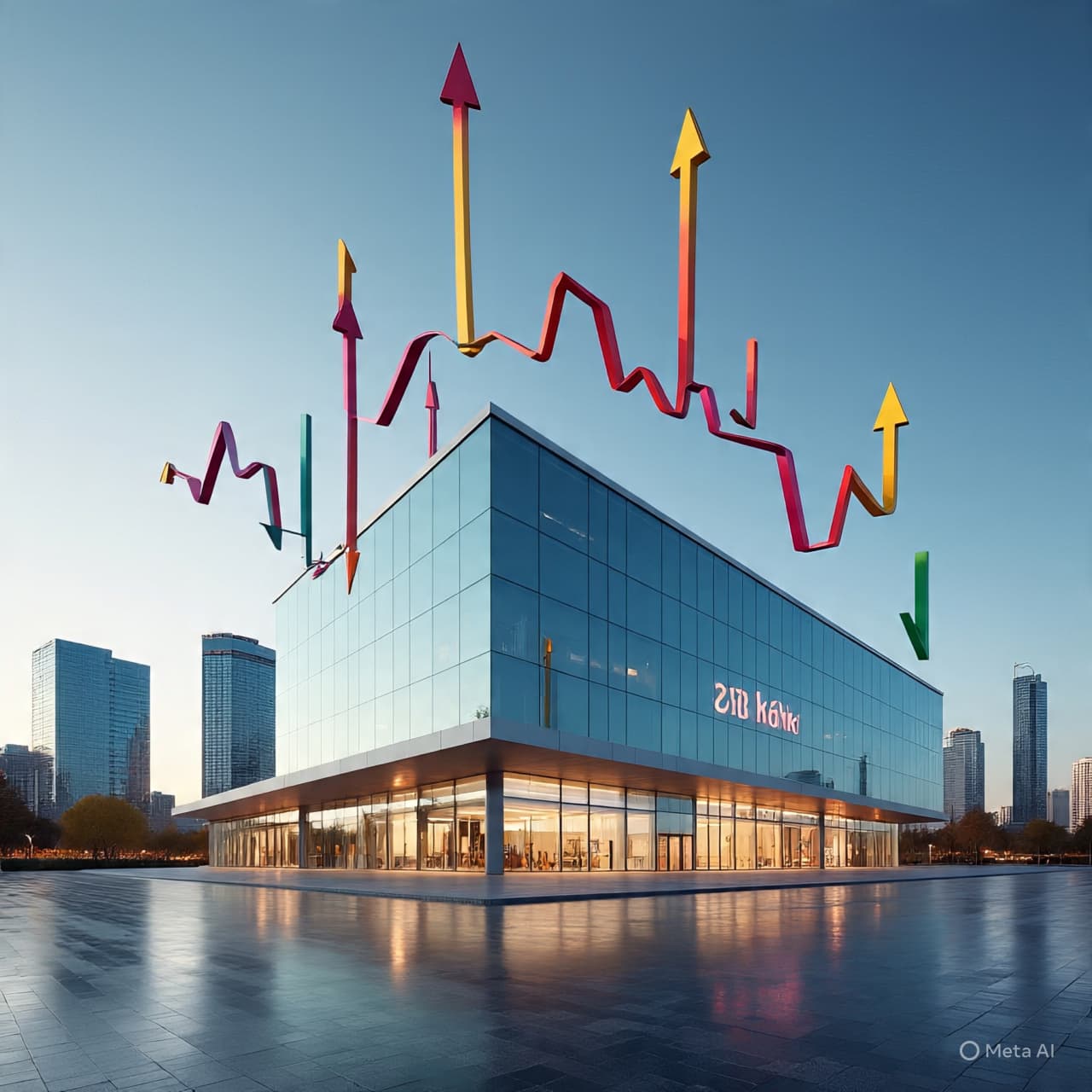
AI Image Disclaimer (Rotated Wording) “Visuals are created with AI tools and are not real photographs.”
Sources Reuters Morningstar Investopedia Bloomberg Funds Society
Published by Banx Network. This article is part of the Banx decentralized media programme, powered by the BXE token on the XRP Ledger.