The ocean has often been described as the planet's quiet memory, absorbing heat, storing energy, and reflecting changes that unfold over years rather than moments. Yet even the calmest waters can reveal an extraordinary story when carefully observed. As scientists continue their work through mid-2026, the world's oceans remain under close examination, with unusually warm sea surface temperatures drawing sustained attention from research institutions across the globe.
Researchers from international climate agencies report that exceptionally high ocean temperatures have persisted across many regions, extending a pattern that first emerged in recent years. These observations are supported by satellite measurements, ocean buoys, research vessels, and autonomous Argo floats, creating one of the most comprehensive monitoring systems ever assembled for the world's oceans. Together, these tools help scientists understand how heat is distributed across the seas and how it influences Earth's climate.
Ocean warming is significant because the sea absorbs the vast majority of the excess heat trapped within the climate system. As temperatures remain elevated, the effects can influence weather patterns, marine ecosystems, and the exchange of heat and moisture between the ocean and the atmosphere. Scientists emphasize that continued monitoring is essential to distinguish long-term climate trends from shorter natural variations.
During mid-2026, several organizations noted that global sea surface temperatures reached record or near-record levels for this time of year. Warm conditions have been observed across parts of the Pacific, Atlantic, and Mediterranean, while forecasts also indicate the development of El Niño conditions that could contribute additional warming in some regions over the coming months. Researchers caution that multiple climate drivers often interact simultaneously, making careful analysis necessary before attributing individual events to any single cause.
Marine ecosystems remain an important focus of observation. Prolonged periods of unusually warm water may contribute to coral bleaching, shifts in fish populations, changes in marine biodiversity, and stress on coastal ecosystems. Scientists continue documenting these impacts while studying how different species respond to changing ocean conditions across seasons and regions.
Climate researchers also emphasize that ocean temperatures influence atmospheric circulation, rainfall patterns, and the likelihood of certain extreme weather events. While no individual storm or heatwave can be explained solely by ocean temperatures, warmer oceans provide additional energy that may affect the intensity and behavior of weather systems under suitable conditions. Ongoing observations allow forecasting agencies to improve seasonal outlooks and preparedness planning.
International collaboration remains central to this effort. Organizations including the World Meteorological Organization, Copernicus Climate Change Service, national meteorological agencies, and numerous academic institutions continue sharing data and refining climate models. Their goal is to improve understanding of how ocean heat evolves over time and how societies can better anticipate future environmental changes.
As monitoring continues through the remainder of 2026, scientists stress that careful observation, transparent data collection, and international cooperation remain essential. Rather than drawing premature conclusions, researchers are focusing on building an increasingly detailed picture of the changing oceans, providing governments, industries, and communities with reliable scientific information for future planning.
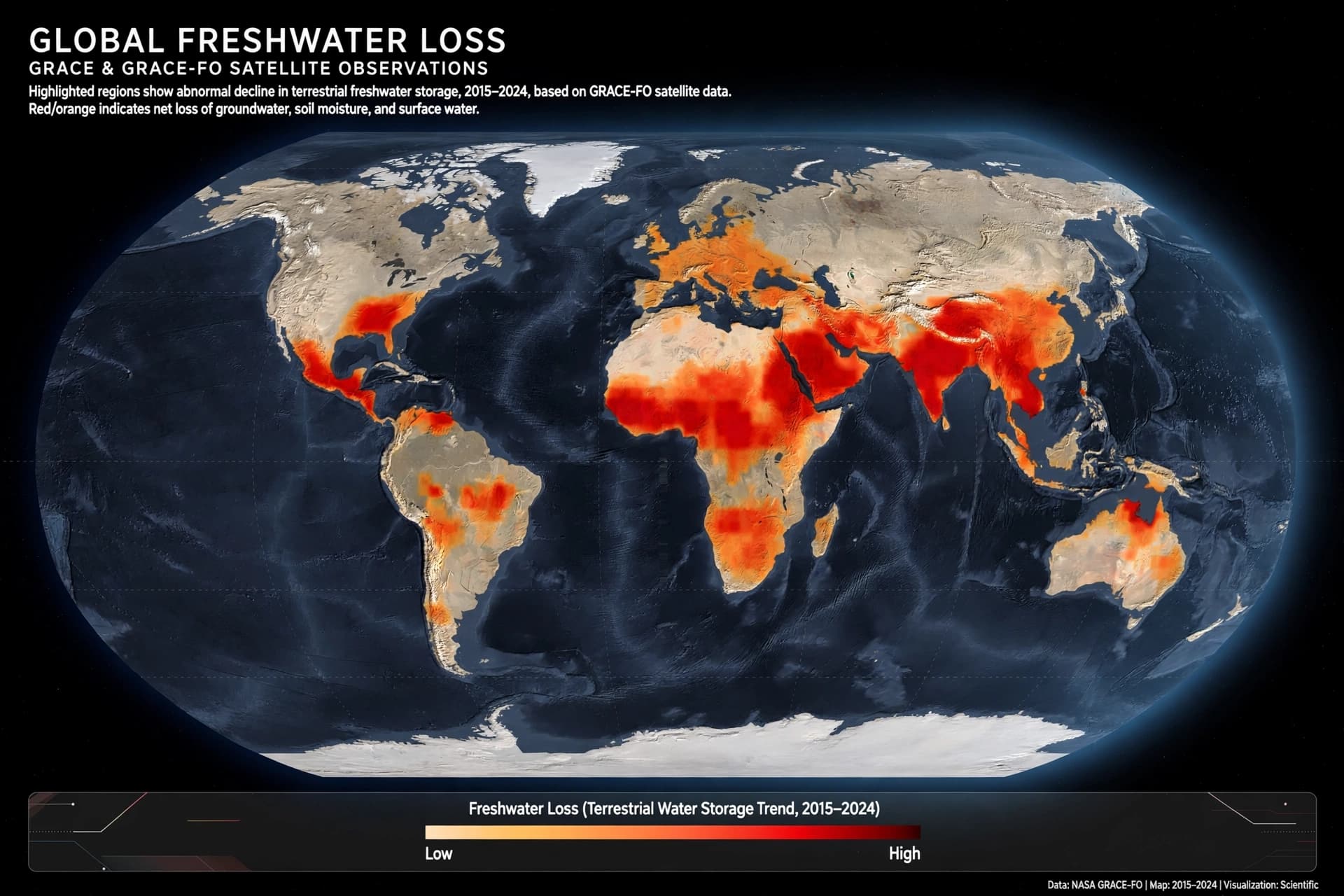
AI Image Disclaimer: The accompanying illustration for this article was generated using artificial intelligence as a visual representation and is not an actual photograph of the reported events.
Sources (verified): World Meteorological Organization (WMO), Copernicus Climate Change Service, Copernicus Marine Service, NOAA, EurekAlert
Published by Banx Network. This article is part of the Banx decentralized media programme, powered by the BXE token on the XRP Ledger.