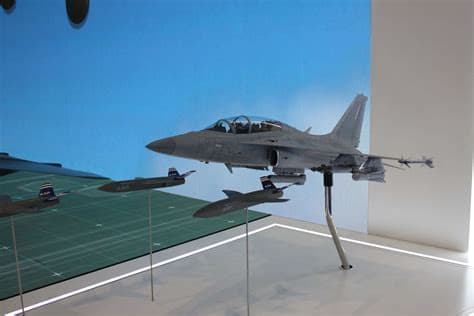
The intersection of artificial intelligence and military strategy is one of the most contentious and transformative developments of our time. No longer confined to science fiction, AI is actively shaping how nations plan, execute, and analyze defense operations. Recent reports indicate that advanced AI systems are being used to process vast amounts of intelligence data, identify targets, and optimize logistical chains. This integration promises greater precision and efficiency, but it also raises profound ethical and strategic questions. As algorithms become central to national security, we must ask: what happens when machines help decide the course of war?
The primary advantage of AI in military contexts is speed and scale. Human analysts cannot process the sheer volume of satellite imagery, communication intercepts, and sensor data generated in modern conflicts. AI systems can identify patterns and anomalies in real-time, providing commanders with actionable insights faster than ever before. This capability can lead to more informed decisions, potentially reducing collateral damage and improving mission success rates. It is a tool that enhances human cognition, allowing for a more nuanced understanding of the battlefield.
However, the reliance on AI introduces new vulnerabilities. Algorithms are only as good as the data they are trained on. Biases in data can lead to flawed conclusions, potentially targeting innocent civilians or misidentifying threats. Moreover, AI systems can be hacked or manipulated by adversaries, creating risks of deception and escalation. The "black box" nature of many AI models makes it difficult to understand why certain decisions are made, complicating accountability and oversight. Ensuring transparency and robustness is critical for safe deployment.
The ethical implications are equally significant. The use of autonomous weapons systems, which can select and engage targets without human intervention, remains a subject of intense debate. Many experts argue that keeping a "human in the loop" is essential for moral responsibility. Decisions about life and death should not be delegated to machines. International efforts are underway to establish norms and regulations for the use of AI in warfare, aiming to prevent an arms race and ensure humane practices.
For policymakers, the challenge is to balance innovation with restraint. Investing in AI capabilities is seen as necessary for national security, but it must be done within a framework of ethical guidelines and legal constraints. Collaboration with allies is crucial to set global standards and prevent misuse. Diplomacy plays a key role in managing the risks associated with these powerful technologies.
The public also has a stake in this discussion. Awareness of how AI is used in defense can foster informed debate and democratic oversight. Citizens need to understand the benefits and risks to hold their governments accountable. Transparency, where possible, helps build trust and ensures that military AI serves protective rather than aggressive purposes.
As we look to the future, the role of AI in military strategy will likely expand. New technologies will emerge, offering even greater capabilities. The key will be to govern these developments wisely, ensuring they enhance security without compromising humanity. It requires ongoing dialogue among technologists, ethicists, military leaders, and the public.
In the end, the neural network of justice is not just about code; it is about values. It is a reminder that technology amplifies human intent. By guiding its development with wisdom and conscience, we can ensure that AI serves the cause of peace and stability. The future of warfare depends on the choices we make today. AI Image Disclaimer: Images in this article are AI-generated illustrations, meant for concept only.
Sources: ABC News Reuters WIRED The New York Times Bloomberg
Published by Banx Network. This article is part of the Banx decentralized media programme, powered by the BXE token on the XRP Ledger.