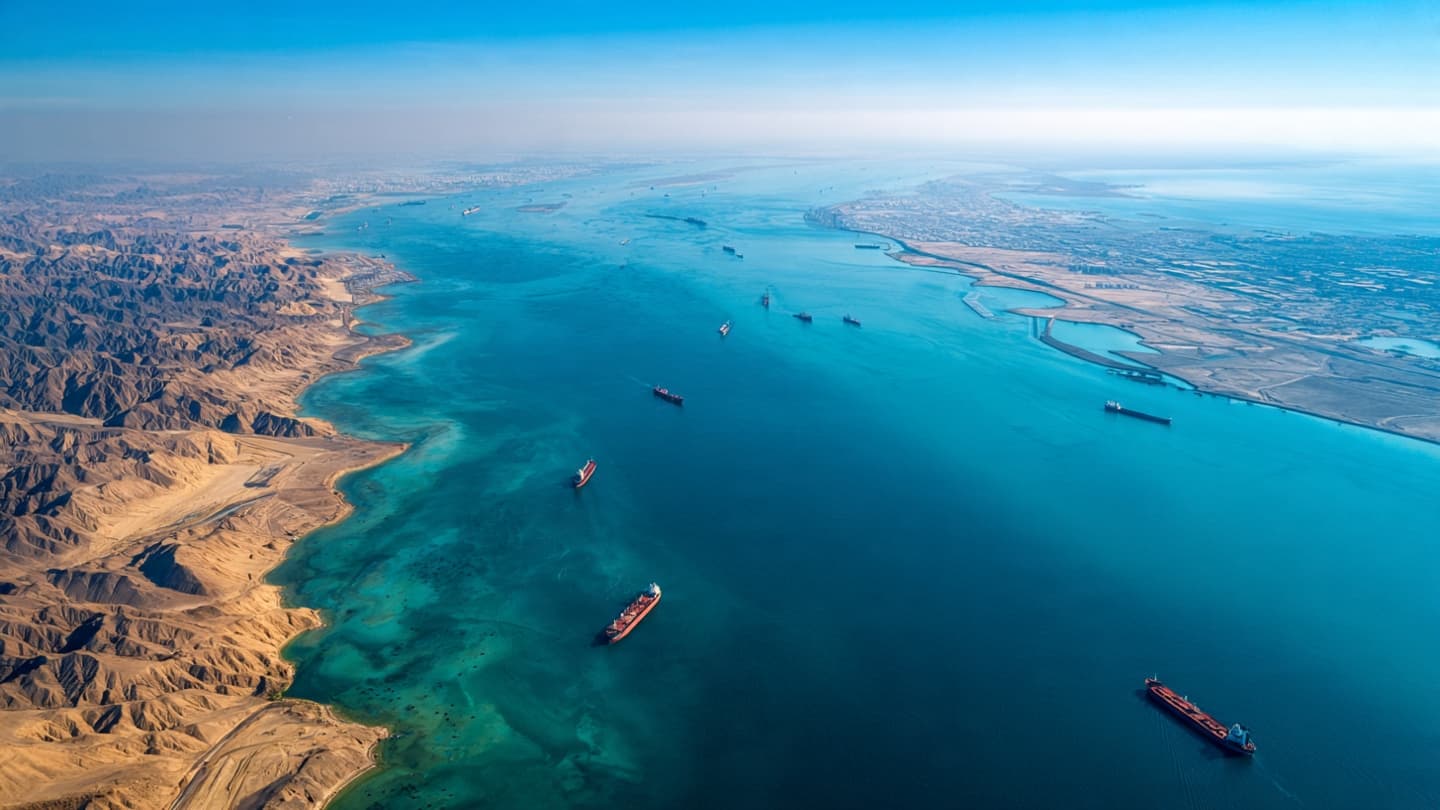
There are moments when the sea appears untouched by the storms unfolding around it. Sunlight continues to ripple across the surface, merchant vessels remain distant silhouettes against the horizon, and the rhythm of the tides follows its ancient course. Yet beneath that calm, the Strait of Hormuz carries a different current—one shaped not only by ships and trade, but also by diplomacy, uncertainty, and the careful choices of nations.
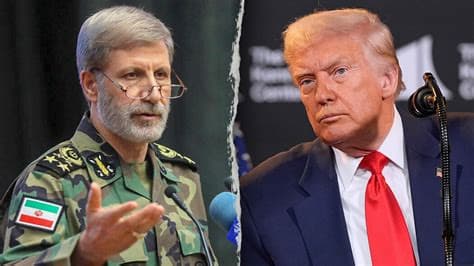
After days marked by military exchanges between the United States and Iran, the pace of confrontation has eased. American strikes have paused, and officials in Washington describe the interruption as an opportunity for diplomacy to find room before another cycle of escalation begins. The pause has not been presented as a permanent settlement but as a deliberate moment to test whether conversation can accomplish what force has not.
Iran, meanwhile, has maintained that it is not engaged in direct negotiations with the United States. Instead, Tehran has confirmed discussions with neighboring Oman, focusing on practical arrangements for maritime traffic through the Strait of Hormuz. The distinction is important. Rather than formal political negotiations, the dialogue centers on ensuring one of the world's busiest shipping corridors can continue to function safely despite lingering tensions.
For decades, the Strait of Hormuz has represented far more than a narrow waterway between coastlines. It is a passage through which a significant share of the world's oil exports travels, linking producers in the Persian Gulf with markets across Asia, Europe, and beyond. Even small disruptions echo across global supply chains, reminding distant consumers that geography often shapes economics as quietly as the tides themselves.
Financial markets have already reflected that connection. As hopes for diplomacy grew alongside the suspension of military strikes, oil prices retreated from recent highs. Traders interpreted the pause as reducing, at least temporarily, the immediate risk of a prolonged disruption to energy shipments. Yet analysts continue to caution that shipping activity remains well below normal levels, and uncertainty still surrounds the region's longer-term stability.
Diplomacy itself often advances in measured steps rather than dramatic breakthroughs. Regional mediators, including Oman, have continued working behind the scenes, seeking practical mechanisms that could lower tensions while preserving freedom of navigation. Such efforts rarely produce immediate headlines, but they often create the conditions necessary for broader agreements to emerge over time.
Military preparedness has not disappeared during this quieter interval. U.S. officials have emphasized that additional assets remain positioned throughout the region even as active strikes have paused, underscoring that diplomacy and deterrence continue to move side by side. The current calm therefore remains conditional, sustained as much by restraint as by readiness.
Communities bordering the Gulf continue their daily routines while watching developments unfold beyond the shoreline. Ports remain alert, shipping companies monitor every official statement, and families whose livelihoods depend on maritime trade understand that events unfolding far above the water's surface may ultimately determine the rhythm of life below it. Their experience reflects the quiet reality that international crises often arrive gradually, carried not only by headlines but by changing patterns of commerce and movement.
Whether this pause develops into broader negotiations or merely marks an interval before renewed confrontation remains uncertain. For now, the Strait of Hormuz continues to symbolize both vulnerability and possibility—a narrow passage where diplomacy, commerce, and security converge. As conversations continue through regional mediators, the world watches not simply for the movement of fleets, but for signs that calm waters might endure a little longer.
AI Image Disclaimer
Visuals are AI-generated and serve as conceptual representations rather than documentary photographs.
Sources
CBS News Reuters Associated Press Axios The Wall Street Journal
Published by Banx Network. This article is part of the Banx decentralized media programme, powered by the BXE token on the XRP Ledger.

.jpg&w=3840&q=75 "EU Gambling Levy Omitted From Irish MFF Budget Draft, but Remains Under Discussion")